 EN
EN
 AR
AR
 BG
BG
 HR
HR
 CS
CS
 DA
DA
 NL
NL
 FI
FI
 FR
FR
 DE
DE
 EL
EL
 HI
HI
 JA
JA
 KO
KO
 PL
PL
 PT
PT
 RO
RO
 RU
RU
 ES
ES
 TL
TL
 ID
ID
 SR
SR
 UK
UK
 VI
VI
 SQ
SQ
 TH
TH
 TR
TR
 AF
AF
 MS
MS
 HY
HY
 AZ
AZ
 KA
KA
 BN
BN
 LO
LO
 LA
LA
 MN
MN
 MY
MY
 KK
KK
 UZ
UZ
 KY
KY
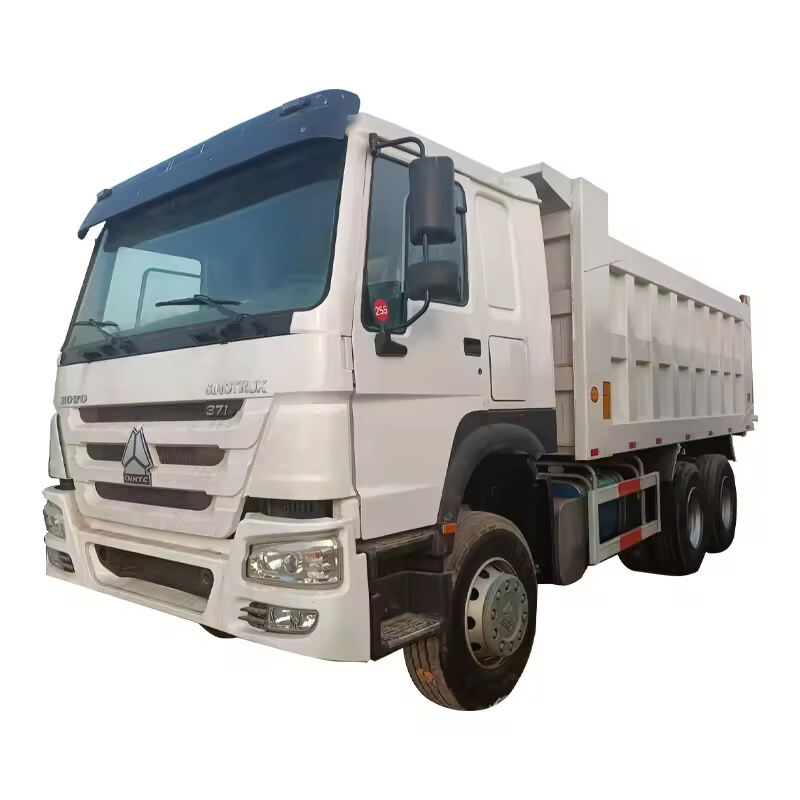
When companies need to transport heavy materials, construction debris, or bulk commodities, dump trucks become essential equipment for efficient operations. These specialized vehicles offer unmatched versatility in industries ranging from construction and mining to waste management and agriculture. The decision to purchase dump trucks represents a significant capital investment that requires careful evaluation of multiple factors to ensure long-term operational success and cost-effectiveness.
Understanding Load Capacity and Performance Requirements
Analyzing Payload Specifications
The payload capacity of dump trucks directly impacts operational efficiency and profitability. Companies must carefully assess their typical hauling requirements to select vehicles with appropriate gross vehicle weight ratings. Standard dump trucks range from light-duty models capable of carrying 3-5 tons to heavy-duty commercial vehicles that can transport 40 tons or more. Understanding the weight distribution between the truck chassis, dump body, and actual payload ensures compliance with legal weight limits while maximizing productivity.
Overloading dump trucks can result in premature wear, increased maintenance costs, and potential safety hazards. Companies should evaluate their heaviest anticipated loads and factor in seasonal variations or project-specific requirements. The relationship between payload capacity and fuel efficiency also plays a crucial role in determining the total cost of ownership over the vehicle's operational lifespan.
Evaluating Engine Power and Transmission Systems
Engine horsepower and torque specifications determine how effectively dump trucks can handle challenging terrain and heavy loads. Modern commercial vehicles typically feature engines ranging from 300 to 500 horsepower, with torque ratings that directly influence climbing ability and acceleration performance. Companies operating in mountainous regions or construction sites with steep grades require more powerful engines to maintain productivity and safety standards.
Transmission options include manual, automatic, and automated manual systems, each offering distinct advantages for different applications. Automatic transmissions provide easier operation for drivers but may reduce fuel efficiency, while manual transmissions offer better control and potentially lower maintenance costs. The choice between transmission types should align with driver skill levels, operational requirements, and long-term maintenance capabilities.
Operational Environment and Terrain Considerations
Assessing Work Site Conditions
The operating environment significantly influences the selection of appropriate dump trucks for specific applications. Construction sites with soft or uneven terrain require vehicles with enhanced traction systems and robust suspension components. Mining operations demand trucks built to withstand extreme conditions, including dust, moisture, and continuous heavy-duty cycles. Companies must evaluate ground conditions, access road quality, and seasonal variations that could impact vehicle performance.
Urban environments present different challenges, including noise restrictions, emission requirements, and space limitations for maneuvering. Dump trucks designed for city operations often feature smaller turning radii, quieter exhaust systems, and compact designs that facilitate navigation through narrow streets and congested areas.
Climate and Weather Impact Factors
Regional climate conditions directly affect dump truck performance, maintenance requirements, and operational costs. Cold weather environments necessitate additional features such as engine block heaters, enhanced battery systems, and specialized fluids designed for low-temperature operation. Hot climate operations require robust cooling systems, heat-resistant materials, and potentially upgraded air conditioning systems for operator comfort and safety.
Seasonal variations in precipitation, temperature, and humidity can impact traction, visibility, and material handling characteristics. Companies operating dump trucks year-round must consider features like all-wheel drive systems, enhanced lighting packages, and weatherproof electrical components to maintain consistent productivity regardless of environmental conditions.
Financial Considerations and Total Cost of Ownership
Initial Purchase Price and Financing Options
The upfront cost of dump trucks varies significantly based on size, features, and manufacturer specifications. New commercial-grade vehicles typically range from $150,000 to $500,000 or more for specialized heavy-duty models. Companies must balance initial investment with expected operational lifespan and revenue generation potential. Financing options include traditional loans, leasing arrangements, and rent-to-own programs that can improve cash flow management while acquiring necessary equipment.
Used dump trucks offer lower initial costs but may require more extensive evaluation of maintenance history, remaining useful life, and potential repair needs. The decision between new and used vehicles should consider warranty coverage, technology features, emission compliance, and anticipated resale values that influence long-term financial performance.
Maintenance and Operating Cost Analysis
Regular maintenance represents a substantial ongoing expense for dump truck operations. Companies should evaluate manufacturer maintenance schedules, parts availability, and service network accessibility when selecting vehicles. Preventive maintenance programs can significantly extend vehicle lifespan and reduce unexpected repair costs, but they require consistent scheduling and budget allocation.
Fuel costs constitute another major operational expense, making fuel efficiency a critical selection criterion. Modern dump trucks incorporate advanced engine technologies, aerodynamic improvements, and weight reduction strategies that can significantly impact fuel consumption rates. Companies should calculate total fuel costs based on expected mileage, current fuel prices, and projected price trends over the vehicle's operational period.
Safety Features and Regulatory Compliance
Modern Safety Technology Integration
Contemporary dump trucks incorporate numerous safety features designed to protect operators, other road users, and pedestrians. Electronic stability control systems help prevent rollovers during turns or on uneven surfaces. Backup cameras, proximity sensors, and blind spot monitoring systems enhance visibility around these large vehicles. Advanced braking systems, including anti-lock brakes and electronic brake-force distribution, improve stopping performance under various load conditions.
Cab design and occupant protection features have evolved significantly, with reinforced structures, improved seat designs, and enhanced visibility contributing to operator safety. Companies should prioritize vehicles with comprehensive safety packages that align with their risk management policies and insurance requirements. Some safety features may qualify for insurance premium reductions, improving the overall cost-benefit analysis.
Environmental and Emission Standards
Environmental regulations continue to evolve, requiring dump trucks to meet increasingly stringent emission standards. Newer vehicles typically feature advanced emission control systems, including selective catalytic reduction and diesel particulate filters. Companies must ensure their selected vehicles comply with current regulations and consider future regulatory changes that might affect operational costs or resale values.
Some regions offer incentives for purchasing environmentally friendly vehicles or impose penalties for older, higher-emission models. Understanding local environmental regulations and potential future restrictions helps companies make informed decisions about vehicle specifications and timing for fleet upgrades or replacements.
Manufacturer Support and Service Network
Dealer Network and Parts Availability
The strength of a manufacturer's dealer network directly impacts long-term ownership satisfaction and operational efficiency. Companies should evaluate local dealer capabilities, including service department expertise, parts inventory, and response time for urgent repairs. A robust service network ensures minimal downtime when maintenance or repairs are necessary, particularly important for businesses dependent on continuous dump truck operations.
Parts availability and pricing significantly influence total cost of ownership. Manufacturers with extensive parts distribution networks typically offer better availability and competitive pricing for replacement components. Companies should investigate parts warranties, exchange programs, and remanufactured component availability that can reduce maintenance costs while maintaining vehicle reliability.
Training and Technical Support
Comprehensive operator training programs enhance safety, extend vehicle life, and improve operational efficiency. Many manufacturers offer training for new equipment features, maintenance procedures, and safe operating practices. Technical support availability, including remote diagnostics, troubleshooting assistance, and software updates, can significantly reduce operational disruptions and maintenance costs.
The availability of technical documentation, service manuals, and training materials enables companies to develop internal maintenance capabilities. This reduces dependence on external service providers and can lower long-term operational costs while improving response times for routine maintenance and minor repairs.
Technology and Future-Proofing Considerations
Telematics and Fleet Management Systems
Modern dump trucks increasingly incorporate telematics systems that provide real-time monitoring of vehicle performance, location, and operational status. These systems enable fleet managers to optimize routes, monitor fuel consumption, track maintenance schedules, and improve overall operational efficiency. Data analytics capabilities help identify trends, predict maintenance needs, and optimize fleet utilization rates.
Integration with fleet management software allows companies to centralize vehicle monitoring, maintenance scheduling, and performance analysis across multiple dump trucks. This technology particularly benefits companies operating large fleets or those requiring detailed operational reporting for project management or regulatory compliance purposes.
Alternative Fuel and Electric Options
The commercial vehicle industry is experiencing rapid development in alternative fuel technologies, including electric, hybrid, and hydrogen fuel cell powertrains. While traditional diesel dump trucks remain dominant, companies should consider emerging technologies that might offer operational advantages or regulatory compliance benefits in the future.
Electric dump trucks offer reduced operating costs, lower maintenance requirements, and zero local emissions, but currently face limitations in payload capacity, range, and charging infrastructure availability. Companies should evaluate their operational requirements against emerging technology capabilities to determine appropriate timing for alternative fuel vehicle adoption.
FAQ
What size dump truck is most suitable for small construction companies
Small construction companies typically benefit from medium-duty dump trucks with payload capacities between 10-15 tons. These vehicles offer good versatility for various projects while maintaining manageable operating costs. Single-axle or tandem-axle configurations provide adequate capacity for most residential and light commercial construction applications without requiring commercial driver's licenses for all operators.
How do maintenance costs vary between different dump truck manufacturers
Maintenance costs can vary by 15-30% between manufacturers depending on parts pricing, service network coverage, and design complexity. Established manufacturers with extensive dealer networks typically offer more competitive parts pricing and better service availability. However, some premium brands may have higher parts costs but offer longer component life and better warranty coverage that can offset higher initial expenses.
What financing options are available for dump truck purchases
Companies can choose from traditional bank loans, manufacturer financing programs, equipment leasing, and rent-to-own arrangements. Bank loans typically offer the lowest interest rates but require strong credit and down payments. Manufacturer financing may include promotional rates or extended warranty packages. Leasing arrangements reduce upfront costs but may be more expensive long-term, while rent-to-own options provide flexibility for companies with uncertain future equipment needs.
How long should companies expect dump trucks to remain in service
Well-maintained dump trucks typically provide 8-12 years of reliable service, depending on usage intensity, operating conditions, and maintenance quality. Heavy-duty operations may require replacement after 6-8 years, while lighter-duty applications might extend useful life to 15 years or more. Regular maintenance, proper operation, and timely repairs significantly influence vehicle longevity and total cost of ownership calculations.