 EN
EN
 AR
AR
 BG
BG
 HR
HR
 CS
CS
 DA
DA
 NL
NL
 FI
FI
 FR
FR
 DE
DE
 EL
EL
 HI
HI
 JA
JA
 KO
KO
 PL
PL
 PT
PT
 RO
RO
 RU
RU
 ES
ES
 TL
TL
 ID
ID
 SR
SR
 UK
UK
 VI
VI
 SQ
SQ
 TH
TH
 TR
TR
 AF
AF
 MS
MS
 HY
HY
 AZ
AZ
 KA
KA
 BN
BN
 LO
LO
 LA
LA
 MN
MN
 MY
MY
 KK
KK
 UZ
UZ
 KY
KY
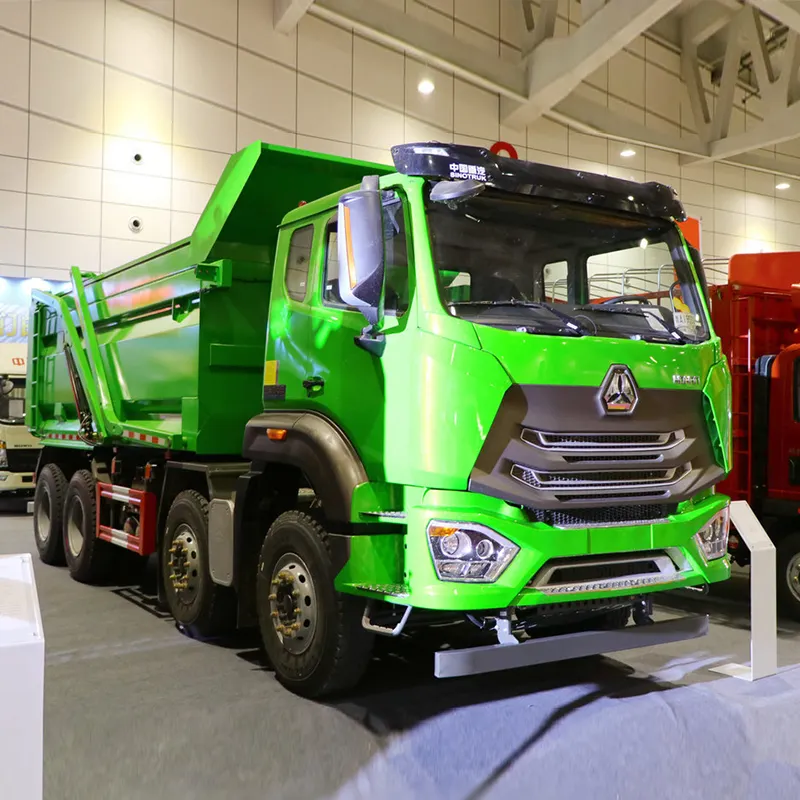
Effective dump truck maintenance is crucial for ensuring optimal performance and maximizing the lifespan of these heavy-duty vehicles. Construction companies and fleet operators rely on consistent operations to meet project deadlines and maintain profitability. Regular maintenance protocols prevent costly breakdowns, reduce unexpected downtime, and ensure safety compliance across worksites. Professional dump truck maintenance involves systematic inspections, preventive service schedules, and proactive component replacements that keep vehicles operating at peak efficiency.
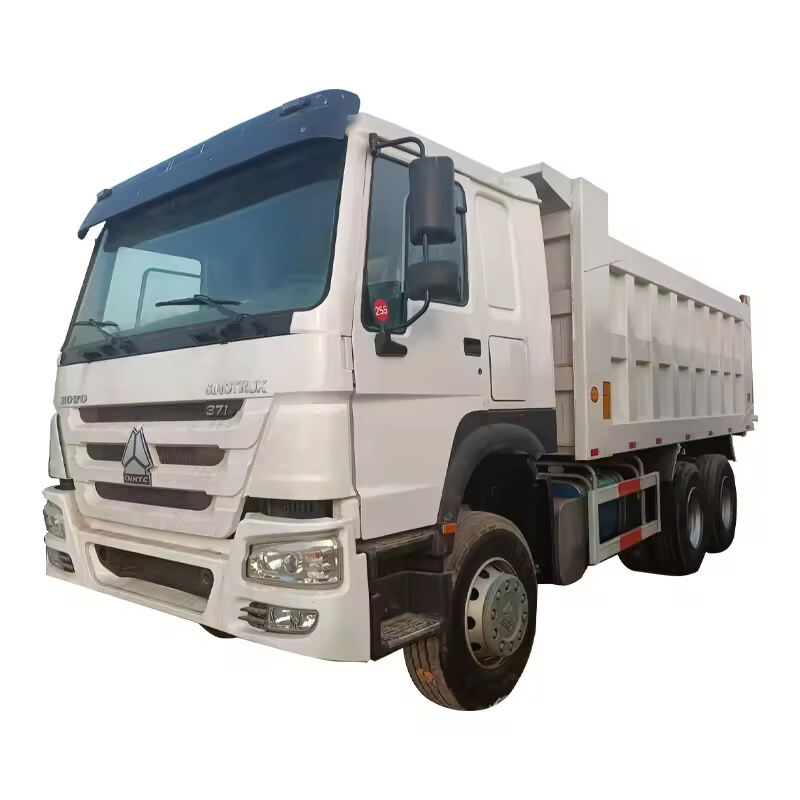
Modern dump trucks face demanding operating conditions that accelerate wear on critical systems. Understanding comprehensive maintenance requirements helps operators develop cost-effective service strategies. Establishing consistent dump truck maintenance procedures protects equipment investments while ensuring regulatory compliance. Fleet managers must balance immediate operational needs with long-term reliability goals through strategic maintenance planning and resource allocation.
Essential Engine Maintenance Protocols
Regular Oil Changes and Filter Replacements
Engine oil serves as the lifeblood of dump truck operations, requiring consistent monitoring and replacement intervals. Heavy-duty applications generate extreme heat and contamination that breaks down lubricants faster than standard vehicle operations. Professional dump truck maintenance schedules typically recommend oil changes every 250 to 500 operating hours depending on working conditions and manufacturer specifications. Severe duty cycles involving dusty environments or extreme temperatures may require more frequent service intervals.
Quality oil filters protect engines from harmful contaminants while maintaining proper lubrication flow. Clogged filters reduce oil pressure and allow particles to circulate through engine components causing accelerated wear. Maintenance technicians should inspect filter condition during each oil change and replace units showing signs of restriction or damage. Premium filtration systems provide enhanced protection for expensive engine rebuilds and extend component lifecycles.
Engine coolant systems require equal attention to prevent overheating damage in demanding applications. Coolant degradation occurs through normal operation and contamination from external sources. Regular testing ensures proper freeze protection levels and corrosion inhibitor concentrations remain within acceptable ranges. Comprehensive dump truck maintenance programs include coolant system flushes every two years or according to manufacturer recommendations.
Air Filter System Management
Clean air intake systems are essential for maintaining engine power and fuel efficiency in dusty construction environments. Restricted air filters reduce engine performance while allowing harmful particles to enter combustion chambers. Daily visual inspections help identify filter loading conditions before performance degradation occurs. Advanced filtration systems with restriction indicators provide real-time monitoring capabilities for proactive maintenance scheduling.
Pre-cleaner systems remove larger particles before reaching primary filters, extending service intervals and reducing replacement costs. Proper installation and maintenance of these components significantly improves overall filtration effectiveness. Maintenance personnel should clean pre-cleaners regularly and inspect mounting hardware for secure attachment. Damaged or improperly sealed filter housings allow unfiltered air to bypass protection systems causing engine damage.
Hydraulic System Care and Monitoring
Fluid Quality Management
Hydraulic systems power critical dump truck functions including bed lifting, tailgate operation, and auxiliary equipment. Contaminated hydraulic fluid causes component failures, reduced system efficiency, and expensive repairs. Regular fluid analysis programs detect contamination sources and degradation patterns before system damage occurs. Professional maintenance schedules include fluid sampling every 500 to 1000 operating hours depending on system design and operating conditions.
Proper fluid filtration maintains system cleanliness and extends component life throughout demanding duty cycles. Return line filters capture particles generated by normal wear while suction strainers protect pumps from large contaminants. Filter bypass valves ensure continued operation during restriction conditions but should trigger immediate maintenance attention. Dump truck maintenance protocols must include regular filter inspections and replacements according to manufacturer specifications.
Hydraulic system temperatures affect fluid viscosity and component wear rates in heavy-duty applications. Excessive temperatures break down fluid additives while reducing lubrication properties and sealing effectiveness. Temperature monitoring systems help operators identify developing problems before costly failures occur. Adequate cooling capacity and proper fluid levels maintain optimal operating temperatures during extended work cycles.
Component Inspection and Replacement
Hydraulic cylinders experience significant stress during dump operations requiring regular inspection for leakage and wear. External damage from rocks or debris can compromise seal integrity leading to fluid loss and contamination. Cylinder rod surfaces must remain smooth and undamaged to prevent seal failures and maintain proper operation. Professional dump truck maintenance includes detailed cylinder inspections during routine service intervals.
Hydraulic hoses and fittings require careful attention due to high pressure applications and harsh operating environments. Visual inspections should identify cracking, abrasion, or corrosion before failures occur. Proper routing and protection prevent damage from heat sources and sharp edges common in construction applications. Replacement hoses must meet original equipment specifications for pressure ratings and compatibility with system fluids.
Transmission and Drivetrain Maintenance
Automatic Transmission Service
Automatic transmissions in dump trucks endure severe duty cycles requiring specialized maintenance attention. Frequent stop-and-go operations generate excessive heat while heavy loads stress internal components beyond normal vehicle applications. Transmission fluid serves multiple functions including lubrication, cooling, and hydraulic actuation requiring specific service intervals. Professional dump truck maintenance schedules typically recommend transmission service every 50,000 to 100,000 miles depending on operating conditions.
Transmission filter replacements prevent contamination damage to precision components and maintain proper fluid flow. Internal wear generates particles that can cause valve body problems and clutch damage if not removed through filtration. External coolers help manage transmission temperatures during demanding operations extending fluid life and component durability. Proper coolant circulation through external coolers requires regular inspection and cleaning procedures.
Differential and Axle Care
Differential assemblies transfer power to wheels while accommodating speed differences during turning operations. Heavy-duty applications generate significant heat and stress requiring specialized lubricants and service intervals. Gear oil quality affects component wear rates and operational noise levels throughout the drivetrain system. Dump truck maintenance programs include differential service every 100,000 miles or according to severe duty recommendations.
Drive axle inspections should identify leakage sources and component wear before failures occur. Seal replacements prevent contamination entry while maintaining proper lubrication levels. Brake adjustments ensure even wear patterns and maintain stopping performance throughout loaded operations. Professional maintenance includes wheel bearing inspections and repacking procedures to prevent costly hub failures.
Brake System Maintenance and Safety
Air Brake System Components
Air brake systems provide reliable stopping power for heavily loaded dump trucks requiring specialized maintenance procedures. Compressor operation affects system pressure and response times while moisture contamination causes corrosion and freezing problems. Daily air tank draining removes accumulated moisture and contaminants that degrade system performance. Comprehensive dump truck maintenance includes compressor service and air dryer replacement according to manufacturer schedules.
Brake chamber inspections identify diaphragm deterioration and adjustment needs before safety issues develop. Slack adjusters maintain proper brake shoe clearances while automatic adjusters require periodic inspection and lubrication. Professional maintenance technicians verify adjustment procedures and replace worn components according to safety regulations. Brake line inspections ensure secure mounting and leak-free operation throughout the system.
Foundation Brake Maintenance
Drum brake systems require regular adjustment and component replacement to maintain stopping effectiveness. Brake shoe linings wear according to load conditions and driving habits requiring periodic measurement and replacement. Drum turning services restore proper surface finish and eliminate scoring or heat damage. Dump truck maintenance schedules must account for severe duty applications that accelerate brake wear beyond normal vehicle operations.
Wheel end inspections identify potential bearing failures and brake component problems before safety issues develop. Proper torque specifications ensure secure mounting while preventing component damage. Brake chamber push rod adjustments maintain consistent brake application across all wheel positions. Professional maintenance includes complete brake system testing to verify proper operation and regulatory compliance.
Preventive Maintenance Scheduling Strategies
Operating Hour Based Intervals
Hour-based maintenance scheduling provides more accurate service timing than mileage-based systems for construction equipment. Operating conditions vary significantly between highway and off-road applications affecting component wear rates and service requirements. Electronic monitoring systems track engine hours and idle time providing precise data for maintenance planning. Dump truck maintenance programs benefit from hour-based scheduling that accounts for actual equipment usage patterns.
Severe duty operations require shortened service intervals compared to standard highway applications. Dusty environments, extreme temperatures, and heavy loading cycles accelerate component wear and fluid degradation. Maintenance managers must adjust standard intervals based on actual operating conditions and equipment performance history. Proactive scheduling prevents unexpected failures while optimizing maintenance costs and equipment availability.
Condition Monitoring Technologies
Advanced diagnostic systems provide real-time monitoring of critical components enabling predictive maintenance strategies. Engine control modules track performance parameters while alerting operators to developing problems. Vibration analysis identifies bearing wear and misalignment issues before catastrophic failures occur. Professional dump truck maintenance incorporates technology solutions that improve reliability while reducing maintenance costs.
Oil analysis programs detect internal wear patterns and contamination sources through laboratory testing. Trending analysis identifies gradual changes that indicate developing problems requiring attention. Coolant testing monitors additive levels and contamination that affects cooling system performance. Comprehensive monitoring programs enable maintenance teams to schedule repairs during planned downtime rather than emergency situations.
Seasonal Maintenance Considerations
Winter Preparation Procedures
Cold weather operations present unique challenges requiring specialized maintenance preparation and equipment modifications. Fuel system additives prevent gelling while battery heaters ensure reliable starting in extreme temperatures. Engine block heaters reduce cold start wear while improving fuel efficiency during warm-up periods. Dump truck maintenance schedules must include seasonal preparation checklists that address climate-specific requirements.
Cooling system freeze protection requires proper antifreeze concentrations and system integrity testing. Thermostat operation affects engine warm-up times and fuel consumption during cold weather operations. Cabin heater systems ensure operator comfort and safety during extended work periods. Professional maintenance includes complete system testing before severe weather seasons begin.
Summer Heat Management
High temperature operations stress cooling systems and increase fluid degradation rates throughout dump truck systems. Radiator cleaning removes debris accumulation that reduces heat transfer effectiveness. Fan belt tension and condition affect cooling system performance during demanding applications. Comprehensive dump truck maintenance addresses heat-related stress factors that accelerate component wear and reduce reliability.
Air conditioning systems require regular service to maintain operator comfort and productivity during hot weather operations. Refrigerant levels and system integrity affect cooling performance while dirty filters reduce airflow effectiveness. Compressor operation affects engine loading and fuel consumption requiring proper maintenance attention. Professional service ensures optimal performance throughout demanding summer operations.
FAQ
How often should dump truck maintenance be performed?
Dump truck maintenance intervals depend on operating conditions and manufacturer recommendations. Severe duty applications typically require service every 250-500 engine hours or 25,000-50,000 miles. Daily inspections should include fluid levels, tire condition, and safety systems. Comprehensive maintenance programs combine scheduled services with condition-based monitoring for optimal reliability and cost management.
What are the most critical maintenance items for dump trucks?
Engine oil changes, hydraulic system service, and brake maintenance represent the most critical dump truck maintenance requirements. These systems directly affect safety, reliability, and operating costs. Regular air filter replacement prevents engine damage while transmission service extends drivetrain life. Professional maintenance prioritizes safety-critical systems while maintaining comprehensive care for all vehicle components.
How can fleet operators reduce dump truck maintenance costs?
Preventive maintenance scheduling reduces emergency repair costs while extending equipment life. Operator training programs minimize abuse and improve maintenance awareness throughout daily operations. Quality replacement parts and fluids provide better value than economy alternatives. Comprehensive dump truck maintenance programs balance immediate costs with long-term reliability goals through strategic planning and professional service practices.
What maintenance records should be maintained for dump trucks?
Complete maintenance records should document all service activities, component replacements, and inspection results. Regulatory compliance requires brake system documentation and driver inspection reports. Warranty claims and resale value benefit from detailed maintenance histories. Professional record keeping systems track costs, reliability trends, and regulatory compliance requirements for effective fleet management and dump truck maintenance optimization.