 EN
EN
 AR
AR
 BG
BG
 HR
HR
 CS
CS
 DA
DA
 NL
NL
 FI
FI
 FR
FR
 DE
DE
 EL
EL
 HI
HI
 JA
JA
 KO
KO
 PL
PL
 PT
PT
 RO
RO
 RU
RU
 ES
ES
 TL
TL
 ID
ID
 SR
SR
 UK
UK
 VI
VI
 SQ
SQ
 TH
TH
 TR
TR
 AF
AF
 MS
MS
 HY
HY
 AZ
AZ
 KA
KA
 BN
BN
 LO
LO
 LA
LA
 MN
MN
 MY
MY
 KK
KK
 UZ
UZ
 KY
KY
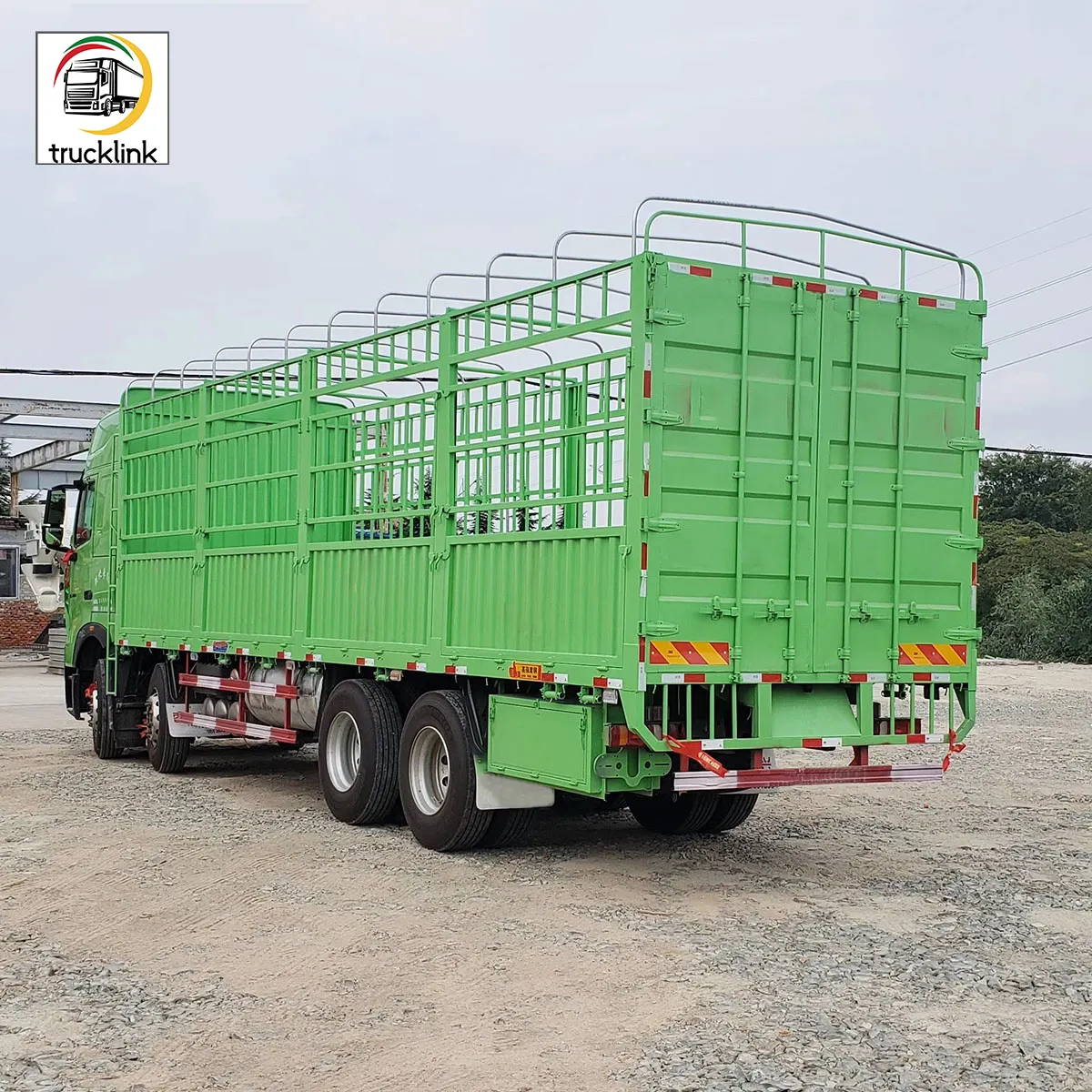
Modern logistics operations rely heavily on efficient transportation solutions that can handle large volumes of cargo across vast distances. Semi trailers have emerged as the backbone of commercial freight movement, offering unparalleled capacity and versatility for businesses across multiple industries. These specialized vehicles provide the fundamental infrastructure needed to support supply chains, manufacturing operations, and distribution networks that keep global commerce flowing smoothly.
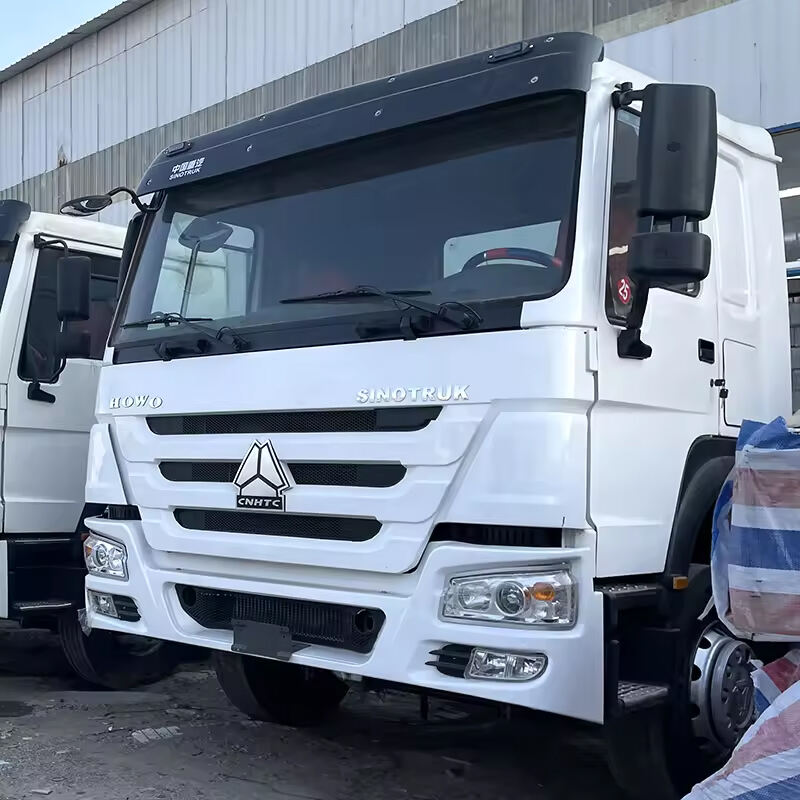
The strategic importance of semi trailers in bulk transportation extends far beyond simple cargo movement. These vehicles represent a critical link between production facilities, distribution centers, and end consumers, enabling businesses to maintain competitive pricing through economies of scale. Understanding the diverse applications where semi trailers prove essential helps logistics professionals make informed decisions about fleet composition and operational strategies.
Construction Industry Applications
Heavy Equipment Transportation
Construction projects demand the reliable movement of massive equipment and materials that would be impossible to transport using standard vehicles. Semi trailers equipped with specialized flatbed configurations can accommodate bulldozers, excavators, cranes, and other heavy machinery weighing tens of thousands of pounds. The robust suspension systems and reinforced chassis designs of these trailers ensure safe transport even over challenging terrain and long distances.
Beyond equipment transport, construction-grade semi trailers facilitate the delivery of prefabricated building components, structural steel, and modular construction elements. These applications require precise loading capabilities and secure fastening systems to prevent cargo shifting during transit. The versatility of semi trailers allows construction companies to adapt their transportation approach based on project-specific requirements and site accessibility constraints.
Aggregate and Raw Material Delivery
Construction sites consume enormous quantities of raw materials including gravel, sand, concrete, asphalt, and crushed stone. Semi trailers designed for bulk aggregate transport feature specialized hoppers, pneumatic discharge systems, and reinforced flooring to handle these demanding cargo types. The high payload capacity of these trailers enables construction companies to minimize delivery frequency while maintaining project momentum and reducing transportation costs per ton.
Material handling efficiency becomes particularly critical for large-scale infrastructure projects where delays can cascade throughout the entire construction timeline. Semi trailers equipped with rapid discharge mechanisms allow construction crews to receive materials precisely when needed, supporting just-in-time delivery strategies that optimize site logistics and minimize material storage requirements.
Agricultural Sector Dependencies
Grain and Commodity Transport
Agricultural operations depend extensively on semi trailers for moving harvested crops from farms to processing facilities, storage elevators, and export terminals. Grain-specific trailer designs incorporate specialized hopper bottoms, pneumatic unloading systems, and moisture-resistant construction to preserve commodity quality during transport. The substantial cargo capacity of agricultural semi trailers enables farmers to consolidate shipments and reduce per-bushel transportation costs.
Seasonal harvest periods create intense demand for transportation capacity as crops must be moved quickly to prevent spoilage and capture optimal market pricing. Semi trailers provide the scalable transportation solution needed to handle these concentrated shipping periods, allowing agricultural businesses to maximize revenue opportunities while maintaining product quality standards. The reliability of these vehicles during critical harvest windows directly impacts farm profitability and food supply chain stability.
Livestock and Feed Distribution
Livestock operations require specialized semi trailers designed with animal welfare considerations including ventilation systems, non-slip flooring, and compartmentalization features. These trailers facilitate the safe transport of cattle, swine, poultry, and other livestock between farms, processing facilities, and market destinations. The controlled environment capabilities of modern livestock trailers help minimize animal stress and ensure compliance with transportation regulations.
Feed distribution represents another critical application where semi trailers support agricultural productivity. Bulk feed trailers equipped with auger systems and precise metering controls enable efficient delivery of nutritional products to farms and livestock facilities. The ability to transport large quantities of feed ingredients reduces delivery frequency and helps agricultural operations maintain consistent feeding schedules essential for animal health and productivity.
Manufacturing and Industrial Applications
Raw Material Inbound Logistics
Manufacturing facilities rely on continuous flows of raw materials to maintain production schedules and meet customer demand. Semi trailers serve as the primary method for delivering bulk chemicals, metals, plastics, textiles, and other industrial inputs required by manufacturing processes. The variety of trailer configurations available allows manufacturers to optimize transportation for different material types while maintaining supply chain efficiency.
Specialized semi trailers designed for hazardous materials transport enable chemical manufacturers and processors to move dangerous goods safely while complying with strict regulatory requirements. These trailers incorporate containment systems, temperature controls, and safety equipment necessary for transporting corrosive, flammable, or toxic materials. The robust construction and safety features of industrial-grade semi trailers provide essential protection for both cargo and public safety.
Finished Product Distribution
Once manufacturing processes are complete, semi trailers become instrumental in distributing finished products to retail locations, distribution centers, and end customers. The enclosed design of van trailers protects manufactured goods from weather exposure, theft, and damage during transit. Loading dock compatibility and standardized dimensions enable efficient handling at both origin and destination facilities.
High-value manufactured products often require temperature-controlled transportation to maintain quality and extend shelf life. Refrigerated semi trailers equipped with precise climate control systems enable manufacturers to deliver pharmaceuticals, electronics, food products, and other temperature-sensitive goods across extensive geographic territories. The reliability of these refrigerated systems directly impacts product integrity and customer satisfaction levels.
Retail and Distribution Networks
Large-Scale Inventory Movement
Retail supply chains depend on semi trailers to move massive quantities of consumer goods between distribution centers, retail stores, and fulfillment facilities. The standardized loading bay dimensions and cargo capacity of these trailers enable retailers to optimize inventory turnover while minimizing transportation costs per unit. Cross-docking operations particularly benefit from the predictable handling characteristics and rapid loading capabilities of semi trailers.
Seasonal retail demands create periodic spikes in transportation requirements that semi trailers are uniquely positioned to handle. During holiday shopping periods, back-to-school seasons, and promotional events, retailers must rapidly replenish inventory across their store networks. The scalable capacity and widespread availability of semi trailers provide the transportation flexibility needed to respond to these demand fluctuations effectively.
E-commerce Fulfillment Support
The explosive growth of e-commerce has created new transportation demands that semi trailers help fulfill through last-mile distribution support and regional inventory positioning. Large e-commerce operators use semi trailers to move products from centralized fulfillment centers to regional distribution points, reducing delivery times and transportation costs. The volume efficiency of these trailers enables e-commerce companies to achieve economies of scale in their distribution networks.
Semi trailers also support the movement of returned merchandise in reverse logistics operations that have become increasingly important for e-commerce success. The ability to consolidate returns from multiple locations and transport them efficiently back to processing facilities helps retailers manage the growing volume of product returns while controlling associated costs.
Energy and Resource Industries
Petroleum Product Transport
Energy companies utilize specialized tank semi trailers to transport crude oil, refined fuels, and petroleum products from refineries to distribution terminals and retail locations. These trailers incorporate safety systems including vapor recovery equipment, rollover protection, and emergency shut-off valves to ensure secure transport of flammable materials. The large capacity of petroleum tank trailers enables fuel distributors to minimize delivery frequency while maintaining adequate supply levels.
Pipeline limitations and geographic constraints often make semi trailers the most practical solution for delivering petroleum products to remote locations or areas lacking pipeline infrastructure. The flexibility of truck-based transportation allows energy companies to serve markets that would otherwise be economically unfeasible to reach through other transportation modes.
Mining and Extraction Support
Mining operations depend on semi trailers for transporting extracted materials, equipment, and supplies across challenging terrain and remote locations. Off-road capable semi trailers designed for mining applications feature reinforced construction, specialized suspension systems, and enhanced traction capabilities to operate in harsh environments. The durability of these trailers ensures reliable operation under conditions that would disable conventional transportation equipment.
Coal transport represents a significant application for semi trailers in regions where rail infrastructure is limited or unavailable. Coal-hauling trailers incorporate specialized dump mechanisms and dust control systems to facilitate efficient loading and unloading while minimizing environmental impact. The flexibility of truck-based coal transport enables mining companies to respond quickly to market demand fluctuations and supply chain disruptions.
FAQ
What factors determine the optimal semi trailer configuration for bulk transportation needs
Selecting the appropriate semi trailer configuration depends on cargo characteristics, loading requirements, regulatory compliance needs, and operational constraints. Material density, handling sensitivity, temperature requirements, and discharge methods all influence trailer selection. Additionally, route restrictions, loading dock compatibility, and maintenance considerations affect the optimal configuration choice for specific transportation applications.
How do semi trailers contribute to transportation cost efficiency in bulk operations
Semi trailers achieve cost efficiency through high payload capacity, fuel efficiency optimization, and reduced labor requirements per ton transported. The ability to consolidate large shipments reduces the number of trips needed while spreading fixed costs across more cargo volume. Additionally, the standardized design and widespread availability of semi trailers help minimize equipment costs and maintenance expenses compared to specialized transportation alternatives.
What safety considerations are most important when using semi trailers for bulk transportation
Critical safety considerations include proper weight distribution, cargo securement, vehicle maintenance, and driver training specific to bulk transportation requirements. Load balance and center of gravity management become particularly important with heavy or liquid cargos that can shift during transport. Regular inspection of braking systems, suspension components, and cargo containment equipment helps prevent accidents and ensure regulatory compliance.
How do weather conditions impact semi trailer operations in bulk transportation
Weather conditions significantly affect semi trailer performance through reduced traction, visibility limitations, and cargo protection challenges. Snow and ice require additional safety equipment and modified operating procedures to maintain control of heavy vehicles. Rain and humidity can damage certain cargo types, making enclosed or covered trailer configurations essential for weather-sensitive materials. Extreme temperatures may require specialized equipment for both vehicle operation and cargo preservation.
Table of Contents
- Construction Industry Applications
- Agricultural Sector Dependencies
- Manufacturing and Industrial Applications
- Retail and Distribution Networks
- Energy and Resource Industries
-
FAQ
- What factors determine the optimal semi trailer configuration for bulk transportation needs
- How do semi trailers contribute to transportation cost efficiency in bulk operations
- What safety considerations are most important when using semi trailers for bulk transportation
- How do weather conditions impact semi trailer operations in bulk transportation