 EN
EN
 AR
AR
 BG
BG
 HR
HR
 CS
CS
 DA
DA
 NL
NL
 FI
FI
 FR
FR
 DE
DE
 EL
EL
 HI
HI
 JA
JA
 KO
KO
 PL
PL
 PT
PT
 RO
RO
 RU
RU
 ES
ES
 TL
TL
 ID
ID
 SR
SR
 UK
UK
 VI
VI
 SQ
SQ
 TH
TH
 TR
TR
 AF
AF
 MS
MS
 HY
HY
 AZ
AZ
 KA
KA
 BN
BN
 LO
LO
 LA
LA
 MN
MN
 MY
MY
 KK
KK
 UZ
UZ
 KY
KY
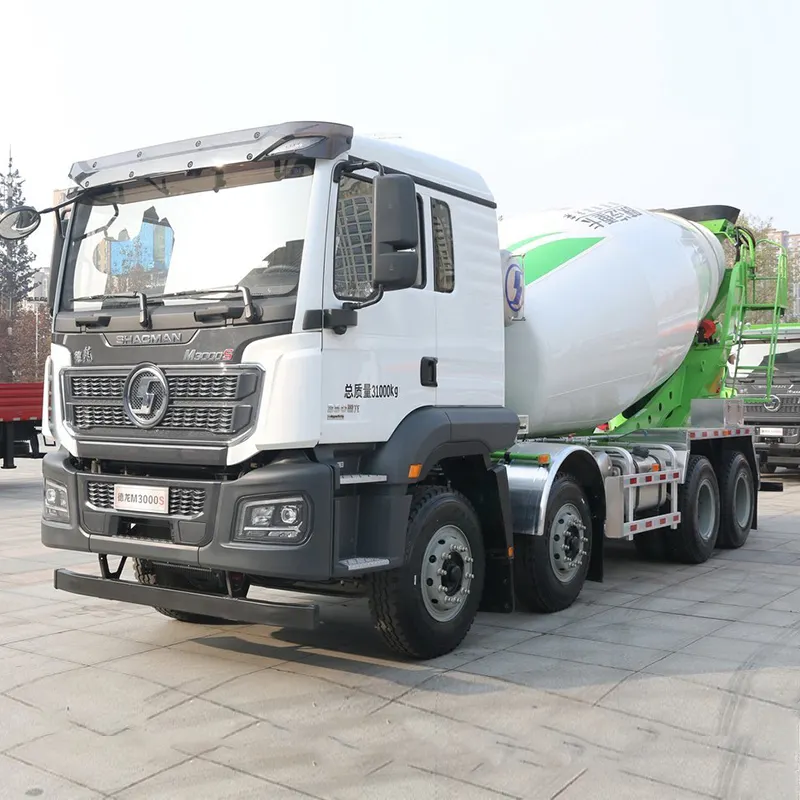
The transportation industry relies heavily on efficient long-haul logistics to maintain supply chain continuity and economic growth. At the heart of this ecosystem lies the tractor head, a specialized vehicle designed to pull heavy trailers across vast distances. Understanding which features contribute most significantly to operational efficiency can help fleet managers make informed purchasing decisions and optimize their logistics operations. Modern tractor head technology has evolved to address the complex demands of contemporary freight transportation, incorporating advanced engineering solutions that enhance fuel economy, driver comfort, and overall performance reliability.
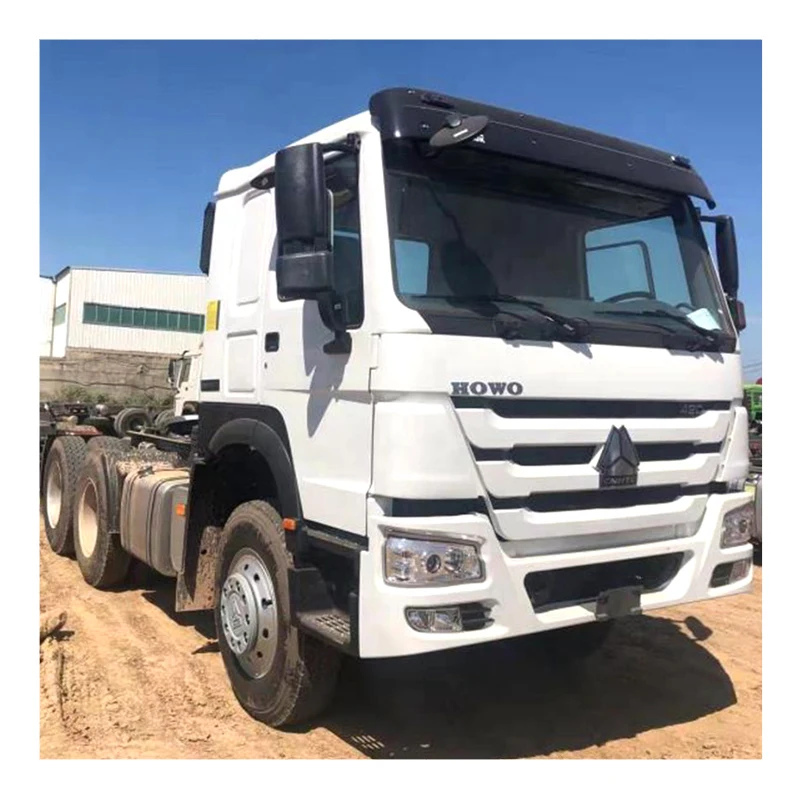
Engine Performance and Fuel Efficiency Technologies
Advanced Diesel Engine Specifications
The powerplant of any tractor head represents its most critical component for long-haul efficiency. Modern diesel engines in commercial tractor head units incorporate sophisticated fuel injection systems, turbocharging technology, and emission control mechanisms. These engines typically range from 400 to 600 horsepower, providing sufficient torque to handle maximum gross vehicle weights while maintaining fuel economy standards. The integration of common rail injection systems enables precise fuel delivery timing, resulting in improved combustion efficiency and reduced operational costs.
Electronic engine management systems continuously monitor and adjust performance parameters to optimize fuel consumption across varying load conditions and terrain challenges. Variable geometry turbochargers enhance power delivery at different engine speeds, ensuring consistent performance whether accelerating from standstill or maintaining highway cruising speeds. Advanced tractor head models feature engine brake systems that reduce wear on service brakes while improving overall vehicle control during descent operations.
Transmission Systems and Gear Optimization
Automated manual transmissions have become increasingly prevalent in modern tractor head designs, offering superior fuel efficiency compared to traditional manual systems. These transmissions utilize sophisticated algorithms to select optimal gear ratios based on load weight, road gradient, and driving conditions. The elimination of torque converter losses found in conventional automatics results in improved power transfer efficiency and reduced fuel consumption during long-haul operations.
Multi-speed transmissions with 12 to 18 forward gears enable drivers to maintain engines within their optimal power bands across diverse operating conditions. Integrated transmission and engine control systems coordinate shift points with fuel injection timing, maximizing efficiency during acceleration and maintaining optimal cruising performance. Modern tractor head transmissions also incorporate predictive shifting capabilities that analyze route topography to pre-select appropriate gears for upcoming terrain changes.
Aerodynamic Design Elements and Chassis Engineering
Cab Aerodynamics and Wind Resistance Reduction
Aerodynamic efficiency plays a crucial role in tractor head fuel economy, particularly during highway operations where wind resistance becomes a dominant factor. Contemporary cab designs feature rounded corners, integrated fairings, and optimized front-end geometries that significantly reduce drag coefficients. Side extenders and roof-mounted deflectors help channel airflow around trailers, minimizing turbulence and improving overall vehicle aerodynamics.
Computational fluid dynamics analysis guides the development of modern tractor head exterior designs, ensuring optimal airflow patterns around the vehicle-trailer combination. Integrated mirror systems and aerodynamic door handles contribute to drag reduction while maintaining functional requirements. Advanced tractor head models incorporate active aerodynamic elements that adjust based on driving conditions and trailer configurations.
Suspension and Chassis Optimization
Air suspension systems in modern tractor head designs provide superior ride quality while maintaining consistent trailer coupling height across varying load conditions. These systems automatically adjust to maintain optimal weight distribution, improving tire wear patterns and reducing maintenance requirements. Electronic suspension controls enable drivers to modify ride characteristics based on cargo type and road conditions, enhancing both comfort and operational efficiency.
Lightweight chassis construction utilizing high-strength steel reduces overall vehicle weight without compromising structural integrity. This weight reduction translates directly into increased payload capacity and improved fuel efficiency. Advanced tractor head chassis incorporate strategic reinforcement points that distribute stress loads effectively while minimizing material usage and manufacturing costs.
Driver Comfort and Safety Technologies
Ergonomic Cab Design and Interior Features
Driver comfort directly impacts long-haul efficiency through reduced fatigue and improved concentration levels. Modern tractor head cabs feature ergonomically designed seating systems with multiple adjustment points, lumbar support, and climate control integration. Dashboard layouts prioritize frequently used controls within easy reach while minimizing distraction from primary driving tasks. Advanced noise reduction materials and construction techniques create quieter cab environments that reduce driver stress during extended operations.
Sleeper berth configurations in long-haul tractor head models provide comfortable rest accommodations that enable compliance with hours-of-service regulations while maintaining operational flexibility. Integrated storage solutions maximize space utilization while keeping essential items organized and accessible. Modern cab designs incorporate multiple charging ports, entertainment systems, and communication equipment to support contemporary driver needs and preferences.
Safety Systems and Driver Assistance Technologies
Advanced driver assistance systems in modern tractor head vehicles enhance safety while reducing the likelihood of accidents that could disrupt logistics operations. Collision mitigation systems use radar and camera technologies to monitor traffic conditions and automatically apply brakes when necessary. Lane departure warning systems alert drivers to unintentional lane changes, helping maintain proper vehicle positioning during long-distance travel.
Electronic stability control systems continuously monitor tractor head dynamics and intervene when detecting potential rollover or jackknife conditions. Adaptive cruise control maintains safe following distances while reducing driver workload during highway operations. These technologies not only improve safety outcomes but also contribute to more consistent fuel consumption patterns through optimized driving behaviors.
Maintenance Efficiency and Operational Reliability
Diagnostic Systems and Preventive Maintenance
Modern tractor head vehicles incorporate comprehensive diagnostic systems that continuously monitor component performance and predict maintenance requirements. These systems provide real-time data on engine parameters, transmission performance, brake system status, and other critical components. Predictive maintenance capabilities enable fleet managers to schedule service interventions before component failures occur, reducing unexpected downtime and associated costs.
Telematics integration allows remote monitoring of tractor head performance across entire fleets, enabling centralized maintenance planning and resource allocation. Advanced diagnostic capabilities identify developing issues early in their progression, allowing for cost-effective repairs rather than major component replacements. Electronic logging systems maintain detailed maintenance histories that support warranty claims and resale value optimization.
Component Accessibility and Service Intervals
Service-friendly design principles in modern tractor head construction prioritize component accessibility for routine maintenance procedures. Tilting cab mechanisms provide comprehensive access to engine compartments, while strategically located service points minimize maintenance time requirements. Extended service intervals for engine oil, filters, and other consumables reduce operational disruptions while maintaining reliability standards.
Standardized components across tractor head model ranges simplify parts inventory management and reduce training requirements for maintenance personnel. Modular design approaches enable efficient component replacement procedures that minimize vehicle downtime. Advanced tractor head models feature centralized lubrication systems that reduce manual maintenance tasks while ensuring consistent component protection.
Technology Integration and Fleet Management
Telematics and Fleet Monitoring Systems
Integrated telematics systems in modern tractor head vehicles provide comprehensive data collection and analysis capabilities that enable optimized fleet management decisions. These systems monitor fuel consumption patterns, route efficiency, driver behavior metrics, and vehicle performance indicators in real-time. Fleet managers can utilize this information to identify opportunities for operational improvements and cost reductions across their entire transportation network.
GPS navigation systems with traffic optimization capabilities help drivers select the most efficient routes while avoiding congestion and construction delays. Electronic logging devices ensure compliance with regulatory requirements while providing detailed operational data for analysis. Advanced tractor head telematics integration enables remote diagnostics and over-the-air software updates that maintain system currency without requiring service visits.
Connectivity and Communication Features
Modern tractor head vehicles incorporate comprehensive communication systems that enable constant connectivity between drivers, dispatchers, and fleet management personnel. Integrated cellular and satellite communication capabilities ensure reliable contact even in remote geographic areas. These systems support load tracking, delivery confirmation, and real-time schedule adjustments that optimize overall logistics efficiency.
Electronic document management systems reduce paperwork requirements while ensuring accurate record-keeping for regulatory compliance purposes. Digital freight matching platforms integrated into tractor head communication systems enable efficient backhaul identification and revenue optimization. Advanced connectivity features support driver training programs and performance monitoring initiatives that contribute to overall operational excellence.
FAQ
What engine specifications should I prioritize when selecting a tractor head for long-haul operations
When selecting a tractor head for long-haul operations, prioritize engines with horsepower ratings between 400-600 HP that provide adequate torque for your typical load requirements. Look for advanced fuel injection systems, electronic engine management, and emission control technologies that optimize fuel efficiency. Consider engines with proven reliability records and extensive dealer support networks to minimize downtime risks during long-distance operations.
How do aerodynamic features impact fuel efficiency in tractor head operations
Aerodynamic features can significantly impact fuel efficiency, particularly during highway operations where wind resistance becomes a major factor. Modern tractor head designs with optimized cab shapes, integrated fairings, and roof deflectors can reduce fuel consumption by 5-15% compared to conventional designs. The benefits increase with higher operating speeds and longer distance travel, making aerodynamic considerations especially important for long-haul applications.
What maintenance features contribute most to operational efficiency
Key maintenance features that enhance operational efficiency include comprehensive diagnostic systems for predictive maintenance, tilting cab designs for improved service access, and extended service intervals that reduce downtime frequency. Telematics integration enables remote monitoring and maintenance scheduling optimization, while standardized components across model ranges simplify parts inventory and technician training requirements.
How do advanced safety systems affect long-haul efficiency
Advanced safety systems in tractor head vehicles contribute to efficiency by reducing accident risks that could cause significant operational disruptions and associated costs. Collision mitigation, lane departure warning, and electronic stability control systems help maintain consistent operation while reducing insurance costs and liability exposure. These technologies also support more consistent driving patterns that optimize fuel consumption and reduce component wear rates.
Table of Contents
- Engine Performance and Fuel Efficiency Technologies
- Aerodynamic Design Elements and Chassis Engineering
- Driver Comfort and Safety Technologies
- Maintenance Efficiency and Operational Reliability
- Technology Integration and Fleet Management
-
FAQ
- What engine specifications should I prioritize when selecting a tractor head for long-haul operations
- How do aerodynamic features impact fuel efficiency in tractor head operations
- What maintenance features contribute most to operational efficiency
- How do advanced safety systems affect long-haul efficiency