
The construction and mining industries demand robust transportation solutions capable of handling massive loads while maintaining operational efficiency. Modern heavy duty tipper trucks have evolved significantly to meet these demanding requirements, offering enhanced payload capacities, improved fuel economy, and superior durability. Understanding the key characteristics that define high-performance dump truck models enables fleet managers and construction professionals to make informed purchasing decisions that maximize productivity and minimize operational costs.
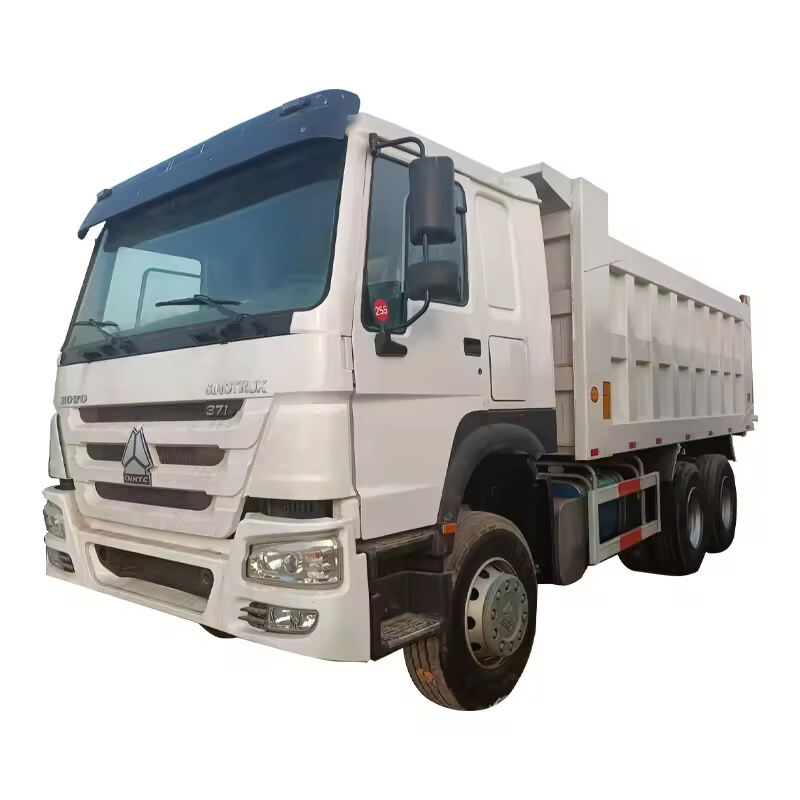
The selection process for optimal dump truck models requires careful consideration of multiple performance factors. Load capacity represents the primary metric, but operational efficiency encompasses fuel consumption, maintenance requirements, and overall lifecycle costs. Advanced engineering in modern tipper truck designs has resulted in vehicles that can handle 40-ton payloads while delivering improved power-to-weight ratios and enhanced maneuverability in challenging terrain conditions.
High-capacity dump trucks typically feature engines ranging from 350 to 400 horsepower, providing the necessary torque for heavy-duty applications. The 371HP and 375HP engine configurations represent optimal power levels for 40-ton capacity vehicles, delivering sufficient performance for steep grade climbing while maintaining fuel efficiency during highway transport operations. These powerplants utilize advanced turbocharging technology and electronic fuel injection systems to optimize combustion efficiency across varying load conditions.
Modern engine management systems continuously monitor operating parameters to ensure peak performance while minimizing emissions output. Variable geometry turbochargers automatically adjust boost pressure based on load requirements, providing maximum torque at low RPMs for heavy hauling situations. This technology enables operators to maintain productivity while reducing fuel consumption compared to older fixed-geometry systems.
Six-by-four drivetrain configurations provide the ideal balance between traction capability and fuel economy for most heavy-duty applications. The 6x4 setup utilizes four drive wheels while maintaining lighter overall vehicle weight compared to 8x4 alternatives. This configuration delivers sufficient traction for challenging job sites while optimizing tire wear patterns and reducing maintenance complexity.
Manual and automated manual transmissions offer different advantages depending on operational requirements. Automated systems reduce driver fatigue during long-haul operations while manual transmissions provide greater control for specialized applications requiring precise maneuvering. Heavy duty tipper trucks equipped with 12-speed or 16-speed transmissions enable operators to maintain optimal engine RPM across diverse operating conditions.
Achieving maximum payload capacity requires careful attention to vehicle weight distribution and body construction materials. High-strength steel alloys and aluminum composite materials reduce tare weight while maintaining structural integrity under heavy loading conditions. Advanced body designs incorporate reinforcement ribs and strategic material thickness variations to optimize strength-to-weight ratios.
Hydraulic lifting systems must generate sufficient force to handle fully loaded conditions while maintaining rapid cycle times. Modern heavy duty tipper trucks utilize multi-stage hydraulic cylinders that provide progressive lifting power, enabling efficient dumping operations even with challenging materials such as wet clay or compacted aggregates. Telescopic cylinder designs offer improved stability and reduced maintenance requirements compared to traditional single-stage systems.
Dump body geometry significantly impacts loading efficiency and material discharge characteristics. Shallow-angle body designs facilitate complete material evacuation, reducing carry-back that decreases payload capacity over multiple cycles. Reinforced tailgate systems incorporate hardened steel wear plates and heavy-duty hinge mechanisms to withstand repeated impact loading during aggressive dumping operations.
Interior body coatings and liner systems protect against corrosion while reducing material adhesion during discharge cycles. Polyurethane and rubber liner materials provide excellent abrasion resistance while maintaining flexibility in temperature extremes. These protective systems extend body service life and maintain optimal payload capacity by preventing material buildup that reduces effective volume.
Contemporary heavy duty tipper trucks incorporate sophisticated engine management systems that optimize fuel injection timing, turbocharger boost pressure, and exhaust gas recirculation rates based on real-time operating conditions. These systems continuously adjust engine parameters to maintain optimal combustion efficiency while meeting stringent emissions regulations. Selective catalytic reduction technology enables engines to operate at peak efficiency settings while achieving NOx reduction targets.
Exhaust brake systems provide additional efficiency benefits by utilizing engine compression for vehicle deceleration, reducing service brake wear and improving overall fuel economy during downhill operations. Integrated engine braking systems can provide up to 400 horsepower of retarding force, enabling operators to maintain safe speeds without excessive brake component wear.
Cab design features significantly impact fuel consumption during highway transport operations. Integrated wind deflectors, streamlined mirror housings, and optimized cab-to-body gap dimensions reduce aerodynamic drag, particularly beneficial for long-distance hauling applications. Side skirts and rear body fairings further minimize air turbulence around the chassis and running gear components.
Low rolling resistance tire compounds and optimized wheel end configurations contribute to improved fuel economy without sacrificing traction performance. Advanced tire pressure monitoring systems ensure optimal inflation levels, maximizing fuel efficiency while extending tire service life. Automatic tire inflation systems maintain consistent pressure despite temperature variations and loading cycles.
Heavy-duty chassis frames utilize high-tensile strength steel with optimized section modulus calculations to resist bending and torsional stresses under maximum loading conditions. Welded frame construction incorporates stress-relief procedures and advanced joining techniques that eliminate potential failure points. Frame rail thickness and reinforcement placement are engineered to accommodate dynamic loading from both payload weight and operational vibrations.
Suspension systems designed for heavy-duty applications utilize progressive spring rates and heavy-duty shock absorbers that maintain ride quality while protecting chassis components from excessive stress. Air suspension options provide load-leveling capability and improved ride characteristics, particularly beneficial for applications requiring frequent loaded and empty cycles.
Maintenance accessibility directly impacts operating costs and vehicle availability. Modern heavy duty tipper trucks feature tilt-cab designs that provide comprehensive access to engine compartments, reducing service time for routine maintenance procedures. Centralized lubrication systems automatically distribute grease to critical chassis components, minimizing manual maintenance requirements while ensuring consistent component protection.
Extended service intervals for engine oil, transmission fluid, and differential lubricants reduce maintenance frequency while maintaining component protection. High-capacity filtration systems and synthetic lubricants enable longer service intervals without compromising reliability. Remote diagnostic capabilities allow fleet managers to monitor vehicle health and schedule preventive maintenance based on actual operating conditions rather than fixed time intervals.
Advanced electronic systems integrate engine management, transmission control, and chassis functions to optimize overall vehicle performance. Telematics systems provide real-time monitoring of fuel consumption, engine parameters, and operator behavior, enabling fleet managers to identify optimization opportunities and maintain peak efficiency. GPS tracking and route optimization reduce empty miles and improve overall fleet utilization.
Electronic stability control systems utilize wheel speed sensors and gyroscopic inputs to detect potential rollover conditions, automatically applying individual wheel brakes to maintain vehicle stability. Load sensing systems prevent overloading by monitoring axle weights and providing visual warnings when approaching legal weight limits.
Ergonomically designed cab interiors reduce operator fatigue during extended operation periods. Air-suspended seats with lumbar support and adjustable positioning accommodate operators of varying sizes while reducing vibration transmission. Climate control systems maintain comfortable operating environments regardless of external conditions, improving operator alertness and productivity.
Visibility enhancements including panoramic mirrors, backup cameras, and side-view monitoring systems reduce blind spots and improve job site safety. LED lighting systems provide superior illumination for night operations while consuming less electrical power than traditional halogen systems. Automatic headlight controls and daytime running lights improve vehicle visibility to other equipment operators.
Engine horsepower requirements depend on maximum payload capacity, operating terrain, and typical haul distances. For 40-ton capacity vehicles, 371HP to 375HP engines provide adequate power for steep grades while maintaining fuel efficiency during highway transport. Higher horsepower ratings may be necessary for extremely challenging terrain or specialized applications requiring rapid cycle times.
Six-by-four drivetrain configurations offer the optimal balance between traction capability and fuel economy for most heavy-duty applications. This setup provides sufficient traction for challenging job sites while minimizing tire wear and reducing overall vehicle weight compared to eight-wheel drive alternatives. The reduced rolling resistance of fewer drive axles contributes to improved fuel economy during highway operations.
Regular preventive maintenance following manufacturer recommendations ensures optimal service life and reliability. Critical maintenance areas include engine oil and filter changes, hydraulic system inspections, and chassis lubrication. Monitoring operating conditions through telematics systems enables condition-based maintenance scheduling that reduces costs while preventing unexpected failures.
Advanced safety systems including electronic stability control, backup cameras, and load monitoring systems significantly improve operational safety. These technologies help prevent accidents, reduce insurance costs, and ensure compliance with safety regulations. Operator assistance systems reduce fatigue and improve productivity while maintaining safe operating practices in challenging environments.
Copyright © 2026 Shandong TruckLink Exporters Co.,Ltd.All rights reserved.
 EN
EN
 AR
AR
 BG
BG
 HR
HR
 CS
CS
 DA
DA
 NL
NL
 FI
FI
 FR
FR
 DE
DE
 EL
EL
 HI
HI
 JA
JA
 KO
KO
 PL
PL
 PT
PT
 RO
RO
 RU
RU
 ES
ES
 TL
TL
 ID
ID
 SR
SR
 UK
UK
 VI
VI
 SQ
SQ
 TH
TH
 TR
TR
 AF
AF
 MS
MS
 HY
HY
 AZ
AZ
 KA
KA
 BN
BN
 LO
LO
 LA
LA
 MN
MN
 MY
MY
 KK
KK
 UZ
UZ
 KY
KY