

In today's competitive commercial transportation landscape, selecting the right cargo vehicle requires careful consideration of numerous factors that contribute to operational efficiency and cost-effectiveness. The longevity of commercial vehicles directly impacts return on investment, with durable trucks maintaining their value while minimizing unexpected repair costs and downtime. Understanding which specific features contribute most significantly to cargo truck durability features helps fleet managers and business owners make informed purchasing decisions that support long-term profitability and reliable service delivery.
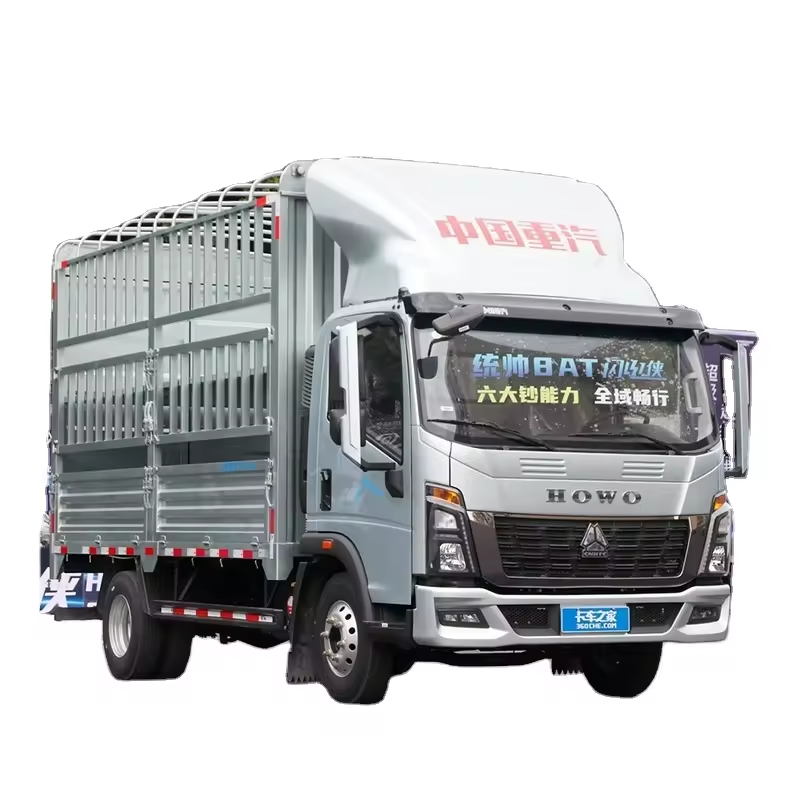
Modern cargo trucks benefit from sophisticated diesel engine technologies that prioritize longevity through enhanced fuel injection systems, improved combustion efficiency, and robust internal components. High-quality engines feature reinforced cylinder blocks, precision-machined components, and advanced cooling systems that prevent overheating during extended operation periods. These engineering improvements translate directly into reduced maintenance requirements and extended service intervals, making them essential cargo truck durability features for commercial applications.
Turbocharging technology in contemporary diesel engines provides optimal power-to-weight ratios while maintaining fuel efficiency across various load conditions. The integration of electronic control systems monitors engine performance continuously, adjusting parameters to prevent excessive wear and optimize combustion processes. This technological advancement ensures consistent performance over hundreds of thousands of miles, establishing a foundation for long-term operational reliability.
Robust transmission systems represent critical cargo truck durability features that determine vehicle longevity under demanding operational conditions. Heavy-duty transmissions incorporate reinforced gear sets, improved lubrication systems, and enhanced torque converters that withstand the stress of frequent load variations and stop-and-go driving patterns common in commercial applications. These components undergo rigorous testing to ensure reliable performance across diverse environmental conditions and operational demands.
The drivetrain's ability to transfer power efficiently from engine to wheels depends on high-quality universal joints, drive shafts, and differential assemblies manufactured to commercial-grade specifications. Advanced materials and precision manufacturing processes create components that resist wear, corrosion, and fatigue failure even under maximum payload conditions. Regular maintenance intervals for these systems remain manageable, supporting cost-effective long-term operation.
The foundation of any durable cargo truck lies in its frame construction, which must support maximum payload capacity while maintaining structural integrity over extended service periods. High-strength steel frames utilize advanced welding techniques and strategic reinforcement points to distribute load forces evenly across the entire structure. These engineering approaches prevent stress concentration that could lead to fatigue cracking or structural failure during normal operation.
Modern frame designs incorporate computer-aided engineering analysis to optimize material placement and thickness, ensuring adequate strength while minimizing unnecessary weight that could reduce payload capacity. Corrosion-resistant coatings and treatments protect the steel framework from environmental degradation, extending structural life significantly compared to basic protective finishes. These characteristics make robust frame construction among the most important cargo truck durability features for commercial success.
Advanced suspension technologies contribute significantly to vehicle longevity by managing dynamic forces and protecting both cargo and truck components from road-induced stress. Multi-leaf spring systems with progressive load characteristics accommodate varying payload weights while maintaining ride quality and handling stability. Air suspension options provide adjustable load leveling and superior vibration isolation, reducing wear on chassis components and extending tire life.
Shock absorbers and stabilizer systems work together to control vehicle motion and prevent excessive component wear during normal operation. High-quality suspension components feature sealed bearing assemblies, corrosion-resistant materials, and serviceable designs that support cost-effective maintenance programs. The integration of these systems creates a balanced approach to load management that preserves vehicle integrity over extended service periods.
Reliable electrical systems form the backbone of modern cargo truck operations, with high-quality wiring harnesses and connectors preventing the electrical failures that commonly cause vehicle downtime. Marine-grade wiring with enhanced insulation resists moisture penetration, temperature extremes, and physical abrasion that occurs during normal vehicle operation. Sealed connector systems maintain electrical integrity in challenging environmental conditions, supporting consistent system performance.
Circuit protection devices including fuses, relays, and circuit breakers utilize commercial-grade specifications that exceed standard automotive requirements. These protective systems prevent electrical damage during voltage spikes or component failures, preserving expensive electronic modules and ensuring continued vehicle operation. Proper electrical system design represents essential cargo truck durability features that prevent costly repairs and unexpected service interruptions.
Sophisticated engine management systems monitor critical operating parameters and adjust performance characteristics to prevent component damage and optimize fuel efficiency. Real-time diagnostic capabilities identify potential issues before they develop into major problems, supporting proactive maintenance programs that extend vehicle life. These systems store fault codes and operational data that facilitate efficient troubleshooting and repair procedures.
Integrated telematics systems provide remote monitoring capabilities that track vehicle performance, maintenance requirements, and operational efficiency metrics. Fleet managers can access detailed reports on fuel consumption, engine hours, and maintenance schedules, enabling data-driven decisions that optimize vehicle utilization and preserve asset value. This technological integration exemplifies how modern cargo truck durability features extend beyond mechanical components to include intelligent monitoring systems.
Commercial-grade braking systems incorporate oversized disc rotors, high-performance brake pads, and robust caliper assemblies designed to handle the increased stopping requirements of loaded cargo vehicles. These components feature enhanced heat dissipation characteristics that prevent brake fade during extended use and maintain consistent stopping power across various load conditions. Quality brake components resist wear and maintain performance specifications throughout extended service intervals.
Air brake systems in larger cargo trucks provide superior stopping power and reliability compared to hydraulic alternatives, with redundant safety features that ensure operational capability even during component failures. These systems include automatic slack adjusters, moisture separators, and pressure monitoring devices that maintain optimal brake performance while minimizing maintenance requirements. The integration of anti-lock braking systems prevents wheel lockup and maintains vehicle control during emergency stopping situations.
Electronic stability control systems monitor vehicle dynamics and intervene automatically to prevent rollovers or loss of control during challenging driving conditions. These systems integrate with traction control and anti-lock braking systems to provide comprehensive vehicle stability management that protects both cargo and vehicle from damage caused by loss of control incidents. Advanced sensors continuously monitor wheel speed, steering input, and vehicle acceleration to detect potentially dangerous situations.
Load monitoring systems ensure proper weight distribution and prevent overloading conditions that could damage vehicle components or create unsafe operating conditions. These systems provide real-time feedback to drivers and fleet managers, supporting compliance with weight regulations while protecting vehicle integrity. Safety features represent crucial cargo truck durability features that prevent accidents and preserve vehicle condition throughout the service life.
Well-designed cargo trucks feature strategically positioned service points and component access panels that simplify routine maintenance procedures and reduce service time requirements. Hood designs provide adequate clearance around engine components, while tilting cab configurations offer complete engine access for major service operations. These design considerations reduce labor costs and encourage proper maintenance compliance that directly impacts vehicle longevity.
Standardized fastener sizes, clearly marked service points, and logical component layout facilitate efficient maintenance procedures by reducing the tools and expertise required for routine service operations. Quality trucks incorporate service-friendly features such as external oil drain valves, accessible grease fittings, and removable panels that provide access to critical components without requiring extensive disassembly procedures.
Comprehensive parts availability through established dealer networks ensures that replacement components remain accessible throughout the vehicle's service life, preventing extended downtime due to parts shortages. Major truck manufacturers maintain extensive parts inventories and provide technical support that facilitates efficient repair procedures and proper component selection for specific applications and operating conditions.
Standardized component specifications across model lines reduce parts inventory requirements and simplify maintenance procedures for fleet operators managing multiple vehicles. This standardization approach supports cost-effective maintenance programs while ensuring that technicians develop familiarity with common service procedures and component locations. Strong manufacturer support represents essential cargo truck durability features that preserve vehicle value and operational availability.
Regular oil changes using manufacturer-specified lubricants, consistent air filter replacement, and proper coolant system maintenance represent the most critical practices for extending engine life. Following prescribed maintenance intervals prevents premature wear while monitoring fluid levels and quality helps identify potential issues before they cause major damage. Quality fuel filtration and regular fuel system cleaning also contribute significantly to long-term engine durability.
Proper load distribution, adherence to weight limits, and appropriate tie-down procedures prevent structural stress that could damage chassis components or suspension systems. Overloading accelerates wear on brakes, tires, and drivetrain components while improper load securing can cause dynamic forces that exceed design specifications. Consistent payload management practices preserve vehicle integrity and extend component service life significantly.
Engine oil changes, transmission service, brake inspections, and tire rotations represent the most critical preventive maintenance intervals for preserving cargo truck durability features. Following manufacturer-recommended service schedules prevents component failure while addressing minor issues before they develop into major problems. Regular inspections of electrical connections, fluid levels, and wear components help identify maintenance needs proactively.
Extreme temperatures, moisture exposure, road salt, and dust contamination accelerate component wear and require adjusted maintenance schedules to preserve vehicle condition. Cold weather operation demands engine block heaters and appropriate fluid specifications, while hot climate operation requires enhanced cooling system capacity and more frequent fluid changes. Coastal operations necessitate increased corrosion protection and more frequent washing to remove salt deposits that promote rust formation.
Copyright © 2026 Shandong TruckLink Exporters Co.,Ltd.All rights reserved.
 EN
EN
 AR
AR
 BG
BG
 HR
HR
 CS
CS
 DA
DA
 NL
NL
 FI
FI
 FR
FR
 DE
DE
 EL
EL
 HI
HI
 JA
JA
 KO
KO
 PL
PL
 PT
PT
 RO
RO
 RU
RU
 ES
ES
 TL
TL
 ID
ID
 SR
SR
 UK
UK
 VI
VI
 SQ
SQ
 TH
TH
 TR
TR
 AF
AF
 MS
MS
 HY
HY
 AZ
AZ
 KA
KA
 BN
BN
 LO
LO
 LA
LA
 MN
MN
 MY
MY
 KK
KK
 UZ
UZ
 KY
KY