
Operational efficiency serves as the backbone of successful commercial enterprises, and selecting the appropriate light truck can dramatically transform productivity metrics across various industries. Modern businesses increasingly recognize that vehicle selection directly impacts delivery schedules, fuel consumption, maintenance costs, and overall profitability. The right light truck becomes more than just a transportation tool—it evolves into a strategic asset that enhances operational capabilities while reducing overhead expenses.
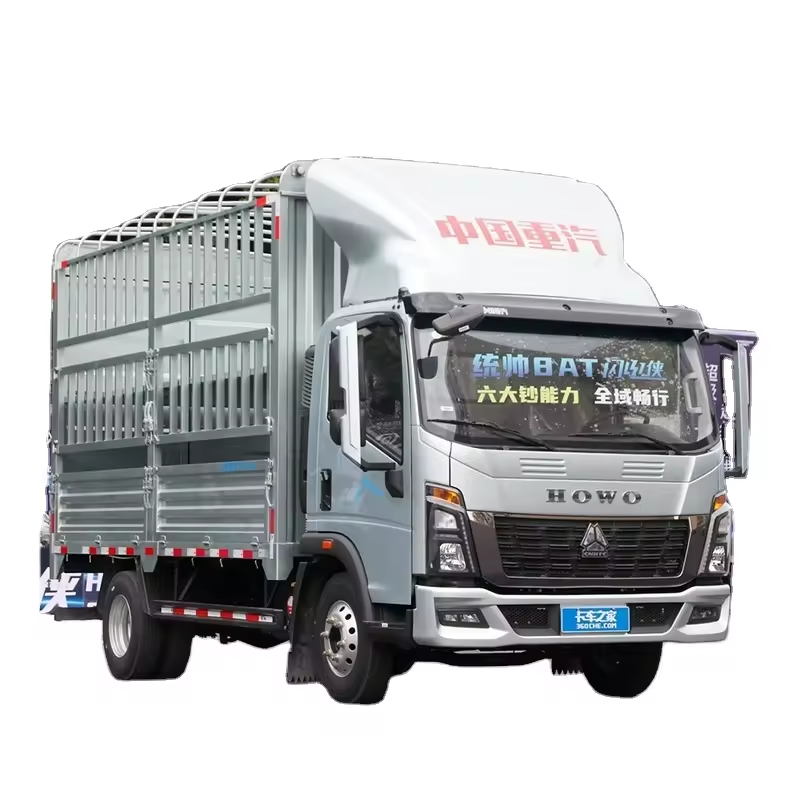
Fleet managers and business owners must evaluate multiple factors when choosing commercial vehicles, including payload capacity, fuel efficiency, reliability ratings, and maintenance requirements. Each decision influences operational workflows, employee productivity, and customer satisfaction levels. Understanding these interconnections enables organizations to make informed purchasing decisions that yield long-term benefits and competitive advantages in their respective markets.
Effective payload management begins with understanding the specific weight and volume requirements of typical cargo loads. A properly sized light truck prevents overloading situations that can lead to mechanical failures, safety hazards, and regulatory violations. When vehicles operate within their designed capacity limits, they maintain optimal performance levels while extending their operational lifespan significantly.
Strategic load planning involves analyzing delivery routes, cargo characteristics, and frequency patterns to determine the ideal vehicle specifications. Organizations that match their light truck capabilities precisely to operational demands experience fewer delays, reduced fuel consumption, and improved driver satisfaction. This alignment also minimizes the need for multiple trips, directly increasing productivity metrics.
Modern light trucks offer versatile cargo space configurations that accommodate diverse loading requirements across different industries. Adjustable shelving systems, tie-down points, and specialized compartments enable efficient organization of materials and products. These features reduce loading and unloading times while protecting cargo from damage during transportation.
Customizable cargo areas allow businesses to optimize their vehicles for specific applications, whether transporting construction materials, retail merchandise, or service equipment. The ability to reconfigure storage spaces as business needs evolve provides long-term value and operational flexibility that standard vehicles cannot match.
Advanced engine technologies in contemporary light trucks deliver superior fuel economy without sacrificing performance capabilities. Modern diesel and gasoline engines incorporate turbocharging, direct injection, and variable valve timing to maximize efficiency across various operating conditions. These technological improvements translate directly into reduced operational costs and environmental benefits.
Selecting a light truck with appropriate engine specifications for specific duty cycles prevents unnecessary fuel consumption while maintaining adequate power for required tasks. Businesses operating in urban environments benefit from engines optimized for stop-and-go traffic, while highway-focused operations require powertrains designed for sustained cruising efficiency.
Preventive maintenance programs become more effective when vehicles are properly matched to operational requirements. Light trucks operating within their design parameters experience reduced wear rates on critical components including brakes, transmissions, and suspension systems. This alignment extends service intervals and reduces unexpected repair costs that can disrupt business operations.
Quality manufacturers provide comprehensive warranty coverage and established service networks that support efficient maintenance scheduling. Access to genuine parts and trained technicians ensures that vehicles remain operational with minimal downtime, preserving productivity levels and customer satisfaction standards.
Contemporary light trucks incorporate sophisticated safety systems that protect drivers, cargo, and other road users while reducing liability exposure for businesses. Electronic stability control, anti-lock braking systems, and collision avoidance technologies work together to prevent accidents and minimize insurance claims. These features become increasingly important as businesses expand their delivery territories and encounter diverse driving conditions.
Driver assistance technologies such as backup cameras, blind spot monitoring, and lane departure warnings enhance situational awareness during commercial operations. These systems reduce the likelihood of property damage and personal injury incidents that can result in significant financial losses and operational disruptions.
Robust construction methods and high-strength materials ensure that light trucks withstand the demanding conditions of commercial use while maintaining safety standards. Reinforced frames, impact-resistant cargo areas, and corrosion-resistant coatings protect both the vehicle and its contents during daily operations. This durability translates into longer service life and better return on investment.
Safety certifications and testing standards provide objective measures of vehicle performance under various stress conditions. Businesses that prioritize these ratings typically experience fewer insurance claims, reduced liability exposure, and improved employee confidence in their equipment reliability.
Modern light trucks offer seamless integration with fleet management software platforms that provide real-time monitoring of vehicle location, fuel consumption, maintenance schedules, and driver performance metrics. These systems enable proactive decision-making and optimize route planning to reduce operational costs while improving customer service levels.
GPS tracking and telematics capabilities allow managers to monitor productivity metrics and identify opportunities for improvement across their vehicle fleets. Data-driven insights support evidence-based decisions regarding vehicle utilization, driver training needs, and route optimization strategies that directly impact profitability.
Integrated communication systems enable drivers to maintain contact with dispatchers and customers without compromising safety or productivity. Hands-free calling, messaging capabilities, and mobile internet access support efficient coordination of delivery schedules and customer service activities while vehicles are in operation.
Connectivity features also support remote diagnostics and predictive maintenance programs that prevent unexpected breakdowns and optimize service scheduling. These capabilities reduce downtime and ensure that vehicles remain available when needed most, supporting consistent productivity levels.
Construction professionals require light trucks that can transport tools, materials, and equipment to job sites while navigating challenging terrain and weather conditions. Specialized features such as power take-off systems, tool storage compartments, and towing capabilities enhance productivity for contractors and tradespeople. The ability to carry essential equipment efficiently reduces setup times and improves project completion schedules.
Durability becomes paramount in construction applications where vehicles encounter dust, debris, and rough handling conditions. Light trucks designed for these environments feature protective coatings, reinforced components, and easy-to-clean surfaces that maintain functionality despite challenging operating conditions.
E-commerce growth and changing consumer expectations drive demand for efficient last-mile delivery solutions that rely heavily on properly specified light trucks. Vehicle size, maneuverability, and cargo accessibility directly impact delivery efficiency and customer satisfaction ratings. Businesses that optimize these factors gain competitive advantages in increasingly crowded markets.
Urban delivery operations benefit from compact dimensions and tight turning radii that enable navigation through congested areas and residential neighborhoods. Rural delivery services require different capabilities including extended range, higher ground clearance, and all-weather traction systems that ensure reliable service regardless of conditions.
Businesses should evaluate typical cargo weights, volume requirements, and frequency of maximum load conditions when selecting payload capacity. Consider both current needs and anticipated growth to avoid premature vehicle replacement. Factor in the weight of any permanent equipment or modifications that will reduce available cargo capacity. Review manufacturer specifications carefully and account for regional weight regulations that may affect legal payload limits.
Fuel efficiency improvements reduce operational costs per mile, allowing businesses to allocate resources to other productivity-enhancing activities. Lower fuel consumption extends vehicle range between refueling stops, reducing downtime and enabling longer productive work periods. Improved efficiency also reduces the frequency of fuel stops, saving driver time and maintaining delivery schedules more effectively.
Vehicles operating within their design parameters experience reduced component wear rates, extending service intervals and reducing maintenance costs. Proper specification prevents overloading stress that can cause premature failures in engines, transmissions, and suspension systems. This alignment also ensures warranty coverage remains valid and provides access to manufacturer support networks for efficient service delivery.
Advanced safety systems reduce accident risks, lowering insurance premiums and preventing costly liability claims that can disrupt business operations. Safety features also improve driver confidence and job satisfaction, reducing turnover rates and training costs. Enhanced visibility and collision avoidance systems enable more efficient operation in challenging conditions, maintaining productivity levels that might otherwise suffer due to safety concerns.
Copyright © 2026 Shandong TruckLink Exporters Co.,Ltd.All rights reserved.
 EN
EN
 AR
AR
 BG
BG
 HR
HR
 CS
CS
 DA
DA
 NL
NL
 FI
FI
 FR
FR
 DE
DE
 EL
EL
 HI
HI
 JA
JA
 KO
KO
 PL
PL
 PT
PT
 RO
RO
 RU
RU
 ES
ES
 TL
TL
 ID
ID
 SR
SR
 UK
UK
 VI
VI
 SQ
SQ
 TH
TH
 TR
TR
 AF
AF
 MS
MS
 HY
HY
 AZ
AZ
 KA
KA
 BN
BN
 LO
LO
 LA
LA
 MN
MN
 MY
MY
 KK
KK
 UZ
UZ
 KY
KY