 EN
EN
 AR
AR
 BG
BG
 HR
HR
 CS
CS
 DA
DA
 NL
NL
 FI
FI
 FR
FR
 DE
DE
 EL
EL
 HI
HI
 JA
JA
 KO
KO
 PL
PL
 PT
PT
 RO
RO
 RU
RU
 ES
ES
 TL
TL
 ID
ID
 SR
SR
 UK
UK
 VI
VI
 SQ
SQ
 TH
TH
 TR
TR
 AF
AF
 MS
MS
 HY
HY
 AZ
AZ
 KA
KA
 BN
BN
 LO
LO
 LA
LA
 MN
MN
 MY
MY
 KK
KK
 UZ
UZ
 KY
KY
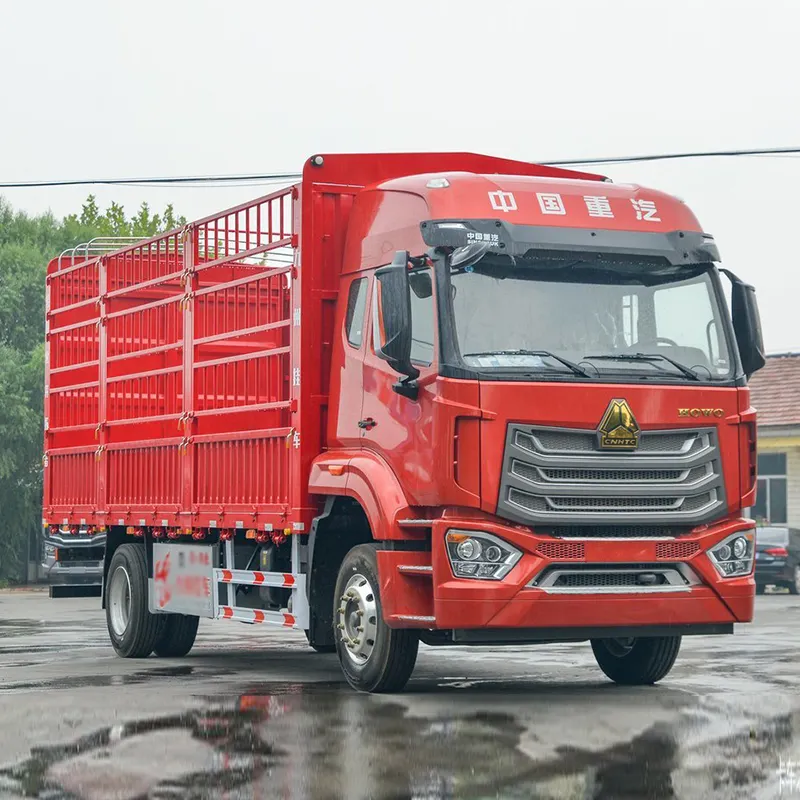
Commercial transportation relies heavily on the optimal performance of semi trailers, which serve as the backbone of freight logistics across industries. Proper maintenance of semi trailers ensures maximum operational efficiency, reduced downtime, and extended vehicle lifespan, ultimately protecting your investment in commercial fleet operations. Understanding the comprehensive maintenance requirements for semi trailers is essential for fleet managers and owner-operators who depend on reliable transportation equipment to maintain competitive advantage in today's demanding logistics environment.
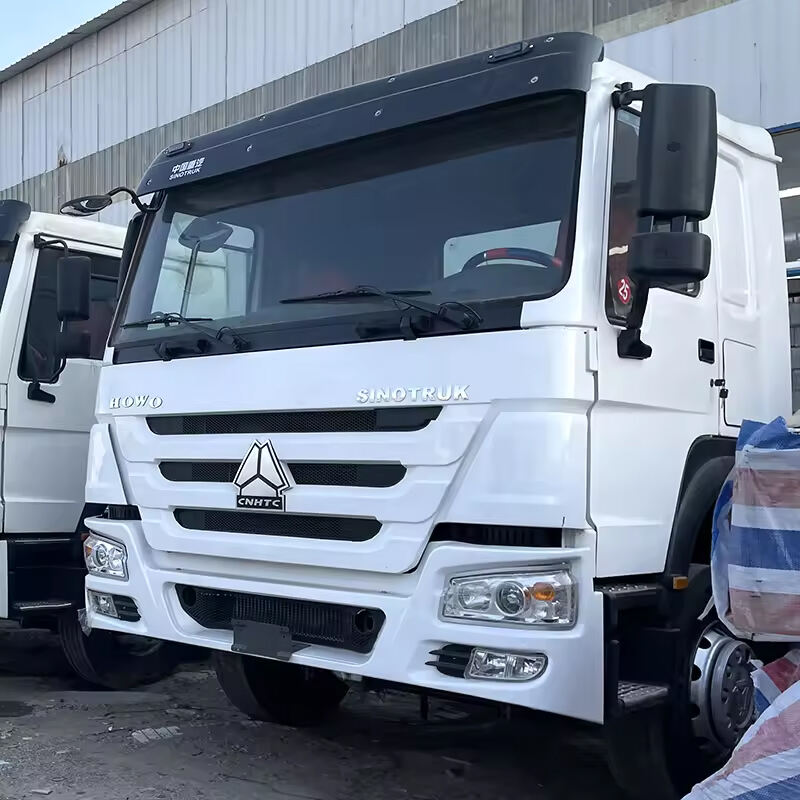
Essential Pre-Trip Inspection Protocols for Semi Trailers
Visual Inspection Procedures
Conducting thorough visual inspections before each trip represents the first line of defense against potential mechanical failures in semi trailers. Drivers should systematically examine the exterior condition, checking for structural damage, rust, or wear patterns that could compromise trailer integrity during transit. The inspection process should include careful examination of the landing gear, fifth wheel connection points, and trailer doors to ensure proper functionality and secure closure mechanisms.
Documentation of visual findings during pre-trip inspections creates valuable maintenance records that help identify recurring issues with specific semi trailers in your fleet. Professional drivers understand that consistent visual inspections can prevent minor problems from escalating into costly repairs or dangerous road failures. The inspection checklist should encompass all safety-critical components, including reflective tape visibility, mud flaps positioning, and overall trailer cleanliness that affects aerodynamic performance.
Safety Equipment Verification
Verifying the operational status of safety equipment installed on semi trailers ensures compliance with federal transportation regulations and protects cargo integrity during transport operations. Emergency equipment such as reflective triangles, fire extinguishers, and emergency brake systems must be inspected regularly to guarantee proper functionality when needed. The verification process should include testing of electrical connections for trailer lights, turn signals, and brake lights to maintain road safety standards.
Modern semi trailers incorporate advanced safety technologies that require specific inspection protocols to ensure optimal performance throughout commercial operations. Anti-lock braking systems, electronic stability control, and load monitoring systems demand technical expertise for proper evaluation during pre-trip inspections. Fleet operators should establish standardized procedures for safety equipment verification that align with manufacturer recommendations and regulatory compliance requirements.
Brake System Maintenance and Performance Optimization
Air Brake System Servicing
The air brake system represents one of the most critical safety components in semi trailers, requiring meticulous maintenance attention to prevent catastrophic failures during commercial operations. Regular inspection of air lines, fittings, and brake chambers ensures reliable stopping power under various load conditions and weather environments. Moisture contamination in air brake systems can cause freezing issues and reduced braking efficiency, making proper air dryer maintenance essential for optimal performance.
Professional maintenance of air brake systems involves comprehensive testing of pressure levels, leak detection, and adjustment of brake shoe clearances according to manufacturer specifications. The brake adjustment process requires specialized knowledge and tools to achieve proper balance across all axles of semi trailers in commercial service. Preventive maintenance schedules should include regular replacement of air filters, drainage of moisture from air tanks, and calibration of pressure protection valves.
Brake Component Replacement Strategies
Implementing strategic brake component replacement programs helps maintain consistent braking performance across entire fleets of semi trailers while minimizing unexpected downtime costs. Brake shoe wear patterns provide valuable diagnostic information about load distribution, alignment issues, and driver behavior that affects overall trailer performance. Monitoring brake lining thickness and drum condition enables proactive replacement scheduling that prevents emergency repairs during critical delivery operations.
Quality brake components designed specifically for semi trailers deliver superior performance and longevity compared to generic aftermarket alternatives that may compromise safety and reliability. Establishing partnerships with reputable brake component suppliers ensures consistent availability of parts and technical support for maintenance operations. The replacement strategy should consider environmental factors, operational patterns, and load characteristics that influence brake wear rates in commercial applications.
Tire Management and Wheel Assembly Maintenance
Tire Pressure Monitoring Systems
Maintaining proper tire pressure across all positions on semi trailers significantly impacts fuel efficiency, tire longevity, and cargo safety during transportation operations. Advanced tire pressure monitoring systems provide real-time data about pressure variations, temperature fluctuations, and potential air leaks that require immediate attention. The monitoring technology helps prevent blowouts, reduces rolling resistance, and ensures optimal contact patch distribution for improved handling characteristics.
Regular calibration of tire pressure monitoring systems ensures accurate readings that support informed maintenance decisions for semi trailers in commercial service. Pressure specifications vary according to load conditions, tire construction, and seasonal temperature changes that affect air density and expansion rates. Fleet operators should establish pressure checking protocols that account for ambient temperature variations and load distribution patterns specific to their operational requirements.
Wheel Bearing and Hub Maintenance
Proper wheel bearing maintenance prevents costly axle failures and ensures smooth operation of semi trailers under heavy load conditions throughout extended service intervals. Bearing inspection procedures include checking for excessive play, unusual noise, or heat generation that indicates potential lubrication problems or component wear. The maintenance schedule should incorporate bearing repacking with appropriate grease formulations designed for commercial trailer applications and operating environments.
Hub assembly maintenance requires specialized tools and technical expertise to achieve proper torque specifications and bearing preload adjustments on semi trailers. Contamination prevention measures during bearing service help extend component life and reduce maintenance frequency in commercial operations. The maintenance program should include documentation of bearing condition, grease type, and replacement intervals to support warranty claims and regulatory compliance requirements.
Electrical System Diagnostics and Repair
Lighting Circuit Maintenance
Reliable electrical systems in semi trailers ensure regulatory compliance and enhance road safety through proper illumination of trailer position and driver intentions. Lighting circuit maintenance involves systematic testing of all lamp functions, including marker lights, tail lights, turn signals, and brake lights that communicate with other road users. Corroded connections, damaged wiring, and moisture intrusion represent common electrical problems that affect lighting reliability in commercial trailer operations.
Modern semi trailers incorporate LED lighting technology that offers improved durability and energy efficiency compared to traditional incandescent bulbs used in older trailer designs. The transition to LED lighting systems requires updated maintenance procedures and diagnostic equipment capable of testing low-voltage circuits and identifying driver failures. Preventive maintenance should include regular cleaning of light assemblies, inspection of wiring harnesses, and replacement of damaged connectors that affect circuit continuity.
Anti-Lock Brake System Electronics
Electronic anti-lock brake systems in semi trailers require specialized diagnostic procedures to identify sensor malfunctions, wiring problems, and control module failures that compromise braking performance. The diagnostic process involves connecting professional scan tools to access fault codes, monitor sensor inputs, and verify system responses during controlled testing procedures. Proper maintenance of ABS components includes cleaning speed sensors, inspecting reluctor rings, and ensuring secure electrical connections throughout the system.
Calibration procedures for ABS systems in semi trailers must follow manufacturer specifications to ensure optimal performance under various load conditions and road surfaces. The electronic control modules require protection from moisture, vibration, and electromagnetic interference that can cause intermittent failures or permanent damage. Maintenance records should document all diagnostic procedures, component replacements, and system calibrations to support warranty coverage and regulatory inspections.
Suspension System Care and Alignment Procedures
Air Suspension Maintenance
Air suspension systems in semi trailers provide superior load distribution and ride quality compared to traditional leaf spring configurations used in basic trailer designs. Maintenance of air suspension components includes regular inspection of air bags, height control valves, and pneumatic lines that regulate trailer height and load leveling functions. The suspension system requires proper air pressure settings according to load conditions and manufacturer specifications for optimal performance.
Preventive maintenance procedures for air suspension systems involve checking for air leaks, inspecting mounting hardware, and testing height control valve operation under various load conditions. The maintenance schedule should include replacement of air filters, drainage of moisture from suspension components, and lubrication of pivot points and bushings. Professional technicians understand the importance of proper suspension alignment for tire wear prevention and handling characteristics of semi trailers in commercial service.
Shock Absorber and Spring Maintenance
Shock absorbers and suspension springs in semi trailers require regular inspection to maintain ride quality, cargo protection, and vehicle stability during transportation operations. Worn shock absorbers contribute to increased tire wear, reduced braking effectiveness, and poor handling characteristics that affect driver safety and cargo security. The inspection process should evaluate shock absorber operation, mounting integrity, and fluid leakage that indicates component replacement needs.
Replacement timing for suspension components depends on operating conditions, load characteristics, and road quality that influence wear rates in semi trailers used for commercial transportation. Heavy-duty shock absorbers designed for commercial applications provide superior durability and performance compared to standard automotive components that cannot withstand trailer operating conditions. The maintenance program should consider environmental factors such as salt exposure, temperature extremes, and road conditions that accelerate suspension component deterioration.
Cargo Protection and Structural Integrity
Floor and Wall Inspection Protocols
Maintaining structural integrity of cargo floors and walls in semi trailers protects valuable freight and prevents load shifting that could cause accidents or equipment damage. Regular inspection procedures should identify damaged flooring, loose wall panels, or compromised tie-down points that affect cargo security during transport operations. The structural assessment includes checking for stress cracks, corrosion damage, or impact damage that requires immediate repair to maintain trailer serviceability.
Professional evaluation of trailer structural components requires understanding of load distribution principles and material properties that affect long-term durability of semi trailers in commercial service. Preventive maintenance includes application of protective coatings, replacement of damaged sections, and reinforcement of high-stress areas subject to repeated loading cycles. Documentation of structural condition helps support insurance claims and demonstrates compliance with cargo protection requirements in commercial transportation contracts.
Door and Sealing System Maintenance
Proper maintenance of door systems and cargo compartment sealing ensures weather protection and cargo security throughout transportation cycles in semi trailers used for commercial freight operations. Door hardware inspection should include hinges, latches, and sealing mechanisms that prevent moisture intrusion and maintain interior environmental conditions. Regular lubrication of moving components and adjustment of door alignment prevents premature wear and ensures reliable operation under various weather conditions.
Sealing system maintenance involves inspection and replacement of door seals, roof seals, and floor seals that protect cargo from environmental exposure during transit operations. Quality sealing materials designed for commercial trailer applications provide superior durability and weather resistance compared to generic substitutes that may fail prematurely. The maintenance schedule should include regular cleaning of sealing surfaces and application of appropriate sealants to maintain weatherproof integrity of semi trailers in service.
FAQ
How often should semi trailers undergo comprehensive maintenance inspections?
Semi trailers should receive comprehensive maintenance inspections every 90 days or 25,000 miles, whichever occurs first, according to federal motor carrier safety regulations. However, high-utilization commercial operations may benefit from more frequent inspections every 60 days to identify potential issues before they become costly repairs. The inspection frequency should be adjusted based on operating conditions, trailer age, and maintenance history to ensure optimal reliability and regulatory compliance.
What are the most common maintenance issues that affect semi trailers in commercial service?
The most common maintenance issues affecting semi trailers include brake system problems, tire wear and pressure loss, electrical system failures, and suspension component wear. Air brake system maintenance represents the highest priority due to safety implications, followed by tire management for fuel efficiency and operational costs. Regular attention to these critical systems helps prevent unexpected downtime and maintains compliance with transportation safety regulations.
How can fleet operators reduce maintenance costs for semi trailers without compromising safety?
Fleet operators can reduce maintenance costs by implementing preventive maintenance programs, training drivers on proper pre-trip inspection procedures, and establishing relationships with reliable parts suppliers for competitive pricing. Investing in quality components and professional maintenance services actually reduces long-term costs by preventing major repairs and extending trailer service life. Technology solutions such as telematics and condition monitoring systems help optimize maintenance scheduling and identify issues before they require emergency repairs.
What documentation is required for semi trailer maintenance records?
Semi trailer maintenance records must include inspection reports, repair orders, parts replacement documentation, and service schedules that demonstrate compliance with federal motor carrier safety regulations. The documentation should include dates, mileage, technician identification, and specific work performed on each trailer in the fleet. Proper record keeping supports regulatory inspections, warranty claims, and insurance requirements while providing valuable data for maintenance program optimization and cost analysis.
Table of Contents
- Essential Pre-Trip Inspection Protocols for Semi Trailers
- Brake System Maintenance and Performance Optimization
- Tire Management and Wheel Assembly Maintenance
- Electrical System Diagnostics and Repair
- Suspension System Care and Alignment Procedures
- Cargo Protection and Structural Integrity
-
FAQ
- How often should semi trailers undergo comprehensive maintenance inspections?
- What are the most common maintenance issues that affect semi trailers in commercial service?
- How can fleet operators reduce maintenance costs for semi trailers without compromising safety?
- What documentation is required for semi trailer maintenance records?