
Large-scale construction, mining, and infrastructure projects demand equipment that can deliver exceptional performance, reliability, and cost efficiency under the most challenging conditions. Among the fleet of heavy machinery deployed on these sites, advanced dump trucks have emerged as indispensable assets that project managers and contractors increasingly prefer. The popularity of these vehicles stems from their ability to address the unique operational demands of massive projects where traditional equipment often falls short in productivity, durability, and total cost of ownership.
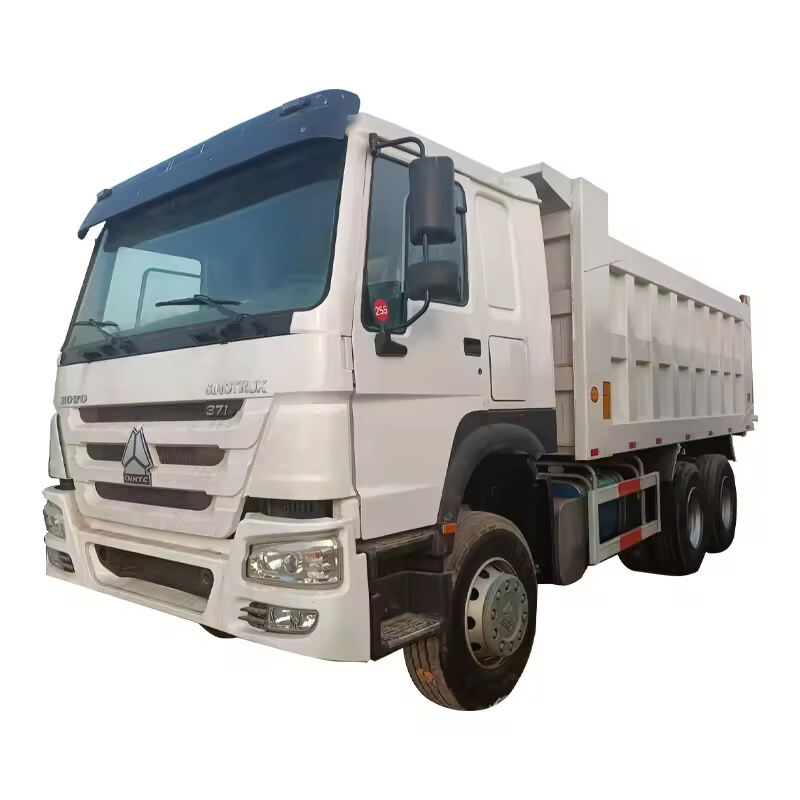
The shift toward advanced dump trucks in large-scale operations reflects a broader transformation in how industrial projects approach equipment investment and fleet management. These modern vehicles incorporate sophisticated engineering solutions, intelligent control systems, and structural enhancements that directly translate into measurable operational advantages. Understanding why project stakeholders consistently choose advanced dump trucks over conventional alternatives requires examining the specific performance characteristics, economic factors, and operational realities that define success in high-volume material handling environments.
Advanced dump trucks feature sophisticated payload management capabilities that allow operators and fleet managers to maximize material transport efficiency while maintaining safety standards. These systems integrate multiple sensors and monitoring technologies that provide real-time data on load distribution, weight, and vehicle stability. In large-scale projects where thousands of loads must be transported daily, the ability to consistently operate near maximum capacity without compromising structural integrity represents a significant competitive advantage. The engineering behind these payload systems ensures that advanced dump trucks can handle substantial tonnage while maintaining optimal performance across varied terrain conditions.
The structural design of advanced dump trucks incorporates high-strength steel alloys and reinforced chassis construction that withstand the repeated stress cycles inherent in heavy-duty operations. Unlike older models that experience premature fatigue and structural failures under sustained heavy loads, these modern vehicles demonstrate exceptional durability that extends operational lifespan and reduces unexpected downtime. This structural superiority becomes particularly valuable in projects involving continuous operation schedules where equipment failure can cascade into costly project delays and contractual penalties.
The dump body design in advanced dump trucks reflects extensive engineering research into material flow dynamics, retention efficiency, and discharge performance. These bodies feature optimized angles, reinforced sidewalls, and specialized linings that minimize material adhesion while maximizing load volume. In large-scale projects handling diverse materials from aggregates to excavated earth, this design sophistication ensures consistent discharge performance and reduces the time required per loading cycle. The geometry of these advanced bodies also contributes to vehicle stability during transport, particularly when navigating uneven terrain or steep gradients common in construction and mining environments.
Material retention characteristics directly impact project economics by reducing spillage and ensuring complete payload delivery to designated locations. Advanced dump trucks incorporate features such as extended sidewalls, reinforced tailgates, and integrated tarp systems that secure loads during transport across extended distances. For projects where material loss represents both financial waste and environmental compliance concerns, these retention capabilities justify the premium associated with advanced equipment. The combination of optimized body volume and secure retention systems allows these vehicles to transport more material per trip while maintaining regulatory compliance and site safety standards.
The powertrain systems in advanced dump trucks deliver exceptional torque and horsepower output that enable consistent performance even under maximum load conditions. Modern engines in these vehicles typically generate between 370 to 430 horsepower, providing the necessary power to navigate challenging terrain, maintain speed on inclines, and accelerate efficiently when transitioning between loading and dumping sites. This power advantage becomes critical in large-scale projects where cycle time directly impacts daily material movement volumes and overall project timelines. The engineering focus on torque delivery at lower RPM ranges also ensures that these vehicles maintain traction and momentum in soft soil conditions or steep access roads.
Fuel efficiency represents another dimension where advanced dump trucks demonstrate measurable advantages over conventional alternatives. Through technologies such as electronic fuel injection, optimized combustion chamber design, and intelligent transmission control, these vehicles achieve lower fuel consumption rates per ton-mile transported. In projects where fuel costs represent a substantial portion of operating budgets, this efficiency translates into significant annual savings that accumulate over the typical multi-year duration of large infrastructure or mining operations. The ability to move more material with less fuel consumption also aligns with increasingly stringent environmental regulations and corporate sustainability commitments.
Advanced dump trucks incorporate transmission systems that provide optimal gear ratios for the demanding operational profiles encountered in large-scale projects. These transmissions feature multiple forward gears that allow operators to select appropriate ratios for various conditions, from crawling through muddy access routes to maintaining highway speeds on paved haul roads. The synchronization between engine power delivery and transmission response ensures smooth operation that reduces mechanical stress on drivetrain components and extends maintenance intervals. For fleet managers overseeing dozens of vehicles, this reliability translates into predictable maintenance schedules and reduced emergency repair incidents.
The drivetrain configuration in advanced dump trucks typically features robust axle assemblies, heavy-duty differentials, and reinforced drive shafts designed to withstand the extreme torque loads generated during loaded acceleration and hill climbing. The engineering emphasis on drivetrain durability addresses one of the primary failure points in conventional dump trucks operating under continuous heavy-duty cycles. By incorporating components rated for sustained operation at or near maximum vehicle capacity, these advanced models deliver the consistent availability that large-scale projects require to maintain production schedules and meet contractual milestones.
The operator environment in advanced dump trucks reflects a fundamental understanding that driver comfort and control directly influence productivity, safety, and equipment longevity. Modern cabs feature ergonomically designed seating with multi-axis adjustment, lumbar support, and vibration dampening that reduce operator fatigue during extended shifts. In projects requiring operators to spend ten or more hours daily in the vehicle, this attention to ergonomics translates into sustained concentration, fewer operational errors, and reduced injury rates. The control layout in these cabs positions critical functions within easy reach while providing clear instrumentation that allows operators to monitor vehicle systems without distraction from primary driving tasks.
Climate control systems in advanced dump trucks maintain comfortable cab temperatures regardless of external conditions, a feature particularly valuable in projects located in extreme temperature environments. Effective heating and cooling systems contribute to operator alertness and reduce the physical stress associated with temperature extremes. The integration of air filtration systems also protects operators from dust exposure, addressing both health concerns and regulatory requirements common in mining and heavy construction operations. These environmental control features represent investments that yield returns through improved operator retention, reduced absenteeism, and enhanced overall productivity.
Visibility enhancements in advanced dump trucks include expansive windshields, strategically positioned mirrors, and increasingly, integrated camera systems that eliminate blind spots around the vehicle perimeter. In congested work sites where multiple vehicles, equipment, and personnel operate simultaneously, superior visibility becomes a critical safety factor that prevents accidents and enables efficient maneuvering in confined spaces. The integration of rear-view camera systems with in-cab displays provides operators with clear sight lines during backing operations, a task that represents a significant accident risk in conventional equipment lacking such technology.
Advanced dump trucks incorporate multiple active and passive safety systems that protect both operators and surrounding personnel. These include reinforced operator protection structures that meet international safety standards, integrated seatbelt systems with audible reminders, and increasingly, collision warning systems that alert operators to proximity hazards. For large-scale projects where safety performance directly impacts regulatory compliance, insurance costs, and corporate reputation, these safety features represent essential rather than optional equipment attributes. The documented safety record improvements associated with advanced dump trucks often justify their higher acquisition costs through reduced accident-related expenses and improved project safety metrics.
The maintenance-friendly design of advanced dump trucks addresses one of the most significant operational cost factors in heavy equipment fleet management. These vehicles feature strategically positioned service points, hinged access panels, and modular component arrangements that reduce the time required for routine maintenance tasks. In large-scale projects where equipment availability directly impacts daily production targets, the ability to complete preventive maintenance quickly during scheduled downtimes prevents the need for extended repair interruptions. Engine compartments in advanced dump trucks typically provide clear access to filters, fluid reservoirs, and inspection points without requiring extensive disassembly of surrounding components.
Component standardization across advanced dump truck model ranges facilitates inventory management and technician training for organizations operating multiple vehicles. When maintenance crews can apply consistent procedures and utilize common replacement parts across fleet vehicles, both direct repair costs and administrative overhead decrease substantially. The engineering emphasis on accessibility extends to diagnostic systems that provide clear fault codes and system status information, enabling rapid troubleshooting and reducing the specialized expertise required for many repair scenarios. This diagnostic sophistication proves particularly valuable in remote project locations where access to manufacturer support may be limited.
Advanced dump trucks demonstrate exceptional component durability through the use of premium materials, precision manufacturing, and design approaches that distribute operational stress across structural elements. Critical systems such as suspension components, braking assemblies, and hydraulic cylinders in these vehicles consistently achieve service intervals that exceed conventional alternatives by substantial margins. For project managers calculating total cost of ownership over typical equipment lifecycles of five to ten years, this durability advantage translates into lower parts replacement costs and reduced maintenance labor requirements. The economic benefit becomes particularly pronounced in operations running multiple shifts or continuous production schedules where equipment utilization rates reach maximum levels.
The resale value retention of advanced dump trucks represents another dimension of total cost economics that influences purchasing decisions for large-scale projects. These vehicles consistently command higher prices in secondary markets due to their documented reliability, lower accumulated wear, and continued performance capability. Organizations that regularly cycle equipment as projects conclude find that the superior residual value of advanced dump trucks partially offsets their higher initial acquisition costs. This value retention also provides financial flexibility for project-based operations that may need to liquidate equipment assets as contracts complete or operational requirements shift.
Modern advanced dump trucks incorporate telematics platforms that transmit real-time operational data to fleet management systems, enabling unprecedented visibility into vehicle performance, utilization, and maintenance requirements. These systems track parameters including fuel consumption, engine hours, idle time, location, and diagnostic fault codes, providing fleet managers with comprehensive information for optimizing deployment strategies and identifying efficiency improvement opportunities. In large-scale projects operating extensive fleets across expansive sites, this remote monitoring capability eliminates the need for manual data collection and enables proactive rather than reactive maintenance approaches.
The integration of GPS tracking with telematics data allows project managers to analyze haul route efficiency, identify bottlenecks in material flow, and optimize equipment allocation across multiple work zones. This analytical capability becomes particularly valuable in complex projects where material movement patterns change as construction progresses through different phases. The ability to review historical performance data also supports continuous improvement initiatives and provides objective evidence for evaluating operational decisions. For organizations managing projects across multiple sites, centralized telematics platforms enable standardized performance monitoring and facilitate knowledge transfer between project teams.
Advanced dump trucks equipped with intelligent monitoring systems can detect developing mechanical issues before they result in equipment failures, enabling scheduled repairs during planned maintenance windows rather than emergency breakdowns that disrupt production schedules. Predictive maintenance algorithms analyze patterns in sensor data to identify conditions such as bearing wear, hydraulic system degradation, or cooling system inefficiency that indicate approaching component failures. This predictive capability represents a significant advancement over traditional time-based or reactive maintenance approaches, reducing both direct repair costs and the indirect costs associated with unplanned downtime.
The operational intelligence gathered from advanced dump trucks contributes to broader project management insights beyond maintenance scheduling. Analysis of load cycle times, fuel efficiency trends, and operator performance metrics enables identification of training opportunities, process improvements, and equipment utilization optimization strategies. In competitive bidding environments where accurate cost estimation determines project profitability, the historical performance data from these vehicles supports more precise forecasting of equipment-related expenses. This intelligence also enables more effective negotiation with equipment suppliers and service providers by providing objective performance baselines and maintenance requirement documentation.
Load capacity selection depends on project-specific material densities, haul distances, and site access conditions. Most large-scale operations utilize advanced dump trucks with payload capacities ranging from 25 to 45 metric tons, with 6x4 configurations offering optimal balance between capacity and maneuverability. Projects involving high-density materials such as ore or concrete aggregate typically require vehicles rated for 35 to 40 tons to maximize efficiency, while operations with lighter materials may achieve better economics with slightly lower capacity models that offer enhanced fuel efficiency. Site terrain and road conditions also influence appropriate capacity selection, as steeper grades or softer surfaces may necessitate conservative loading to maintain traction and safety.
Advanced dump trucks contribute to schedule adherence through higher reliability rates, faster cycle times, and reduced unplanned maintenance interruptions. The combination of powerful drivetrains, optimized body designs, and operator-friendly controls enables these vehicles to complete more material transport cycles per shift than older equipment. Reliability improvements manifest as availability rates frequently exceeding 90 percent, compared to 70 to 80 percent common with aging conventional fleets. This availability advantage directly translates into consistent daily production volumes that support critical path activities and prevent schedule slippage. The predictive maintenance capabilities in advanced dump trucks also allow maintenance activities to be scheduled around project milestones rather than forcing production interruptions at inconvenient times.
The economic justification for advanced dump trucks centers on total cost of ownership analysis rather than simple acquisition price comparison. These vehicles deliver lower operating costs through superior fuel efficiency, extended maintenance intervals, and reduced component replacement frequencies that accumulate substantial savings over typical five to seven year project lifecycles. Productivity advantages from higher payload capacities and faster cycle times enable completion of material movement requirements with fewer vehicles, reducing both capital investment and ongoing operational expenses. The improved safety performance and operator satisfaction associated with advanced dump trucks also contribute economic benefits through lower insurance premiums, reduced accident costs, and improved workforce retention in competitive labor markets.
Advanced dump trucks demonstrate exceptional versatility across diverse project applications including mining operations, highway construction, dam building, and large-scale earthmoving projects. Their adaptability stems from configurable body options, adjustable suspension systems, and powertrain specifications that can be matched to specific operational requirements. Projects transitioning between material types or shifting operational areas benefit from the broad performance envelope these vehicles provide without requiring specialized equipment for each application. The robust construction and comprehensive environmental protection systems in advanced dump trucks also enable effective operation in challenging conditions from extreme cold to high dust environments, reducing the need for climate-specific equipment variants that complicate fleet management and parts inventory.
Copyright © 2026 Shandong TruckLink Exporters Co.,Ltd.All rights reserved.
 EN
EN
 AR
AR
 BG
BG
 HR
HR
 CS
CS
 DA
DA
 NL
NL
 FI
FI
 FR
FR
 DE
DE
 EL
EL
 HI
HI
 JA
JA
 KO
KO
 PL
PL
 PT
PT
 RO
RO
 RU
RU
 ES
ES
 TL
TL
 ID
ID
 SR
SR
 UK
UK
 VI
VI
 SQ
SQ
 TH
TH
 TR
TR
 AF
AF
 MS
MS
 HY
HY
 AZ
AZ
 KA
KA
 BN
BN
 LO
LO
 LA
LA
 MN
MN
 MY
MY
 KK
KK
 UZ
UZ
 KY
KY