
Modern construction projects demand efficient, reliable equipment that can handle demanding schedules and deliver consistent results. Among the most essential pieces of heavy machinery in today's construction industry, concrete mixer trucks stand as indispensable assets that transform how contractors approach concrete delivery and placement operations. These specialized vehicles combine transportation and mixing capabilities, enabling construction teams to maintain optimal concrete quality while maximizing operational efficiency across diverse project sites.
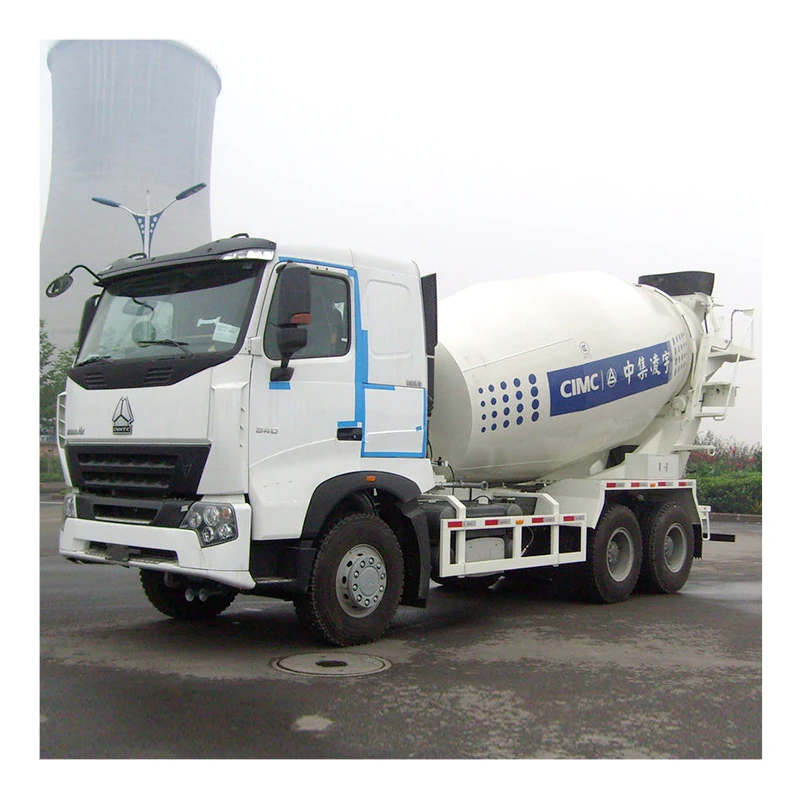
The integration of concrete mixer trucks into construction workflows represents a significant advancement in project management capabilities. Contractors who leverage these versatile machines gain substantial competitive advantages through improved scheduling flexibility, reduced labor requirements, and enhanced quality control measures. Understanding the comprehensive benefits these vehicles provide helps construction professionals make informed decisions about equipment investments and operational strategies.
Traditional concrete delivery methods often involve complex coordination between multiple suppliers, transportation vehicles, and mixing equipment. Concrete mixer trucks eliminate these complications by consolidating mixing and transportation functions into a single, self-contained unit. This integration dramatically reduces the time between concrete preparation and placement, minimizing the risk of material degradation and ensuring optimal workability at the point of delivery.
The ability to maintain continuous concrete agitation during transport preserves material consistency and prevents premature setting. Contractors benefit from extended working windows, allowing them to accommodate unexpected delays or changes in project schedules without compromising concrete quality. This flexibility proves particularly valuable in complex urban environments where traffic conditions and site access limitations can impact delivery timing.
Advanced hydraulic systems in modern concrete mixer trucks enable precise discharge control, allowing operators to place concrete exactly where needed with minimal waste. The rotating drum mechanism ensures thorough material blending throughout the transport process, delivering homogeneous concrete that meets specified strength and durability requirements. This level of consistency reduces the likelihood of costly rework and helps contractors maintain project timelines.
On-site concrete mixing operations typically require extensive setup procedures, including equipment positioning, material storage arrangements, and utility connections. Concrete mixer trucks arrive at job sites ready for immediate deployment, eliminating lengthy preparation phases that consume valuable working hours. This immediate availability allows construction crews to focus on placement activities rather than equipment preparation, maximizing productive time allocation.
The self-contained nature of these vehicles means contractors can respond quickly to changing project demands or emergency concrete requirements. When unexpected situations arise, such as equipment failures or schedule modifications, concrete mixer trucks provide rapid deployment capabilities that keep projects moving forward. This responsiveness helps contractors maintain client satisfaction and protect their reputation for reliability.
End-of-day cleanup procedures are similarly streamlined with concrete mixer trucks. Operators can quickly rinse the mixing drum and discharge systems, preparing the vehicle for the next day's operations without extensive maintenance requirements. This efficiency translates to reduced labor costs and improved equipment utilization rates, contributing to overall project profitability.
Achieving consistent concrete properties requires careful attention to material proportions, mixing time, and environmental conditions. Concrete mixer trucks equipped with advanced batching systems enable contractors to implement precise mix designs with minimal variation between loads. Digital controls allow operators to monitor mixing parameters in real-time, ensuring each batch meets specified requirements for strength, workability, and durability.
The controlled mixing environment within the truck drum protects concrete from external contamination and weather exposure during transport. This protection maintains material integrity and prevents quality degradation that can occur with open mixing systems or prolonged storage. Contractors benefit from predictable concrete performance characteristics that support accurate structural calculations and long-term durability expectations.
Temperature control capabilities in modern concrete mixer trucks help maintain optimal concrete properties across varying environmental conditions. Heating and cooling systems can adjust material temperature as needed, ensuring proper hydration rates and preventing temperature-related quality issues. This control proves essential in extreme weather conditions where traditional mixing methods might produce inconsistent results.
Construction sites present numerous contamination hazards that can compromise concrete quality, including dust, debris, chemicals, and foreign materials. The enclosed mixing environment of concrete mixer trucks provides comprehensive protection against these contaminants, ensuring clean concrete delivery to placement locations. This protection eliminates costly quality failures and helps contractors maintain strict quality standards required for critical structural applications.
Automated washing systems in concrete mixer trucks enable thorough cleaning between different concrete types or when switching between projects. This capability prevents cross-contamination issues that could affect concrete performance or appearance. Contractors working on multiple projects simultaneously benefit from the ability to maintain strict material separation without compromising delivery schedules.
The sealed transport environment also protects concrete from moisture infiltration during rainy conditions or high-humidity environments. Maintaining proper water-cement ratios throughout the transport and placement process ensures concrete achieves designed strength characteristics and prevents durability issues associated with excess moisture content.
Traditional on-site concrete mixing operations require substantial labor resources for material handling, equipment operation, and quality monitoring activities. Concrete mixer trucks significantly reduce these labor demands by consolidating multiple functions into a single operator position. This efficiency allows contractors to reallocate skilled workers to other critical project activities, improving overall productivity and reducing labor costs.
The automated nature of concrete mixer truck operations minimizes the need for specialized mixing technicians and reduces training requirements for project personnel. Standard commercial driver's licenses with appropriate endorsements enable operators to handle these vehicles, expanding the available workforce pool and reducing recruitment challenges. This accessibility helps contractors maintain consistent operations even during periods of skilled labor shortages.
Simplified concrete placement procedures with mixer trucks require fewer crew members at discharge locations compared to traditional methods. The precision control capabilities allow single operators to manage placement activities that might otherwise require multiple personnel, further reducing labor costs and improving safety by minimizing the number of workers in potentially hazardous areas.
Accurate batching systems in concrete mixer trucks minimize material waste through precise measurement and controlled mixing processes. Unlike stationary mixing operations where excess materials often result from over-ordering or measurement errors, mixer trucks deliver exact quantities needed for specific project phases. This precision reduces material costs and eliminates disposal expenses associated with excess concrete.
The ability to deliver concrete directly to placement locations eliminates intermediate handling steps that often result in material loss. Traditional methods involving wheelbarrows, hoppers, or conveyor systems typically experience spillage and waste during transfer operations. Direct discharge from concrete mixer trucks to final positions minimizes these losses and maximizes material utilization efficiency.
Extended mixing capabilities allow concrete mixer trucks to adjust mix consistency at the job site if conditions require modifications. This flexibility reduces the likelihood of rejected loads and associated replacement costs. Contractors can fine-tune concrete properties to match changing site conditions without discarding entire batches, protecting both material investments and project schedules.
Construction sites present inherent safety challenges, and concrete operations introduce specific risks related to heavy machinery, chemical exposure, and physical demands. Concrete mixer trucks incorporate numerous safety features designed to protect operators and nearby personnel during concrete delivery and placement activities. Automated systems reduce manual handling requirements, minimizing exposure to repetitive stress injuries and physical strain.
The elevated operator position in concrete mixer trucks provides excellent visibility of surrounding work areas, enabling operators to maintain awareness of personnel movements and potential hazards. This visibility advantage helps prevent accidents and allows for better coordination with ground crew activities. Emergency stop systems and remote control capabilities further enhance safety by providing multiple methods for halting operations if dangerous situations develop.
Dust suppression systems in modern concrete mixer trucks protect workers from respiratory hazards associated with cement and aggregate materials. These systems maintain air quality around the vehicle and reduce environmental impact in urban construction areas. Contractors benefit from improved worker health outcomes and reduced liability exposure related to occupational health concerns.
Weather-related delays and quality issues represent significant risks in concrete construction projects. Concrete mixer trucks provide protection against these risks through enclosed mixing environments and flexible delivery scheduling capabilities. The ability to maintain optimal concrete conditions regardless of external weather helps contractors avoid costly delays and quality failures.
Equipment reliability features in concrete mixer trucks include redundant hydraulic systems, backup power sources, and comprehensive diagnostic capabilities. These features minimize the risk of equipment failures during critical concrete pours, protecting contractors from schedule delays and potential structural complications. Regular maintenance protocols supported by manufacturer networks ensure consistent equipment performance and longevity.
Insurance benefits associated with concrete mixer truck operations often include reduced premiums due to enhanced safety features and lower accident rates compared to traditional mixing methods. The professional operation and maintenance of these vehicles demonstrate contractor commitment to safety and quality, potentially improving relationships with insurance providers and reducing overall project risk exposure.
The mobility and self-contained nature of concrete mixer trucks enable contractors to serve multiple project sites efficiently within a single operating day. This capability maximizes equipment utilization and provides flexibility for managing diverse project portfolios. Contractors can respond to varying concrete demands across different sites without maintaining separate mixing facilities at each location.
Different drum sizes and configurations available in concrete mixer truck fleets allow contractors to match equipment capacity to specific project requirements. Small residential jobs benefit from compact units that navigate restricted access areas, while large commercial projects utilize high-capacity trucks for maximum efficiency. This scalability ensures optimal resource allocation across varying project scales.
Specialized concrete types and additives can be easily accommodated with concrete mixer trucks through programmable batching systems and thorough cleaning procedures. Contractors working with architectural concrete, high-strength mixes, or specialty applications benefit from the flexibility to switch between different concrete types without significant equipment modifications or delays.
Urban construction projects often face challenging site access conditions, including narrow streets, height restrictions, and weight limitations. Concrete mixer trucks are available in various configurations designed to navigate these constraints while maintaining full mixing and delivery capabilities. Compact units with reduced turning radii and lower profiles enable concrete delivery to previously inaccessible locations.
All-terrain capabilities in specialized concrete mixer trucks extend project possibilities to remote locations and challenging topography. Four-wheel drive systems and enhanced ground clearance allow concrete delivery to sites where traditional vehicles cannot operate safely. This capability opens new market opportunities for contractors willing to tackle difficult access projects.
Pump-equipped concrete mixer trucks combine mixing and placement capabilities in a single vehicle, eliminating the need for separate pumping equipment on congested job sites. This integration reduces equipment coordination requirements and minimizes site space demands while maintaining full concrete delivery capabilities for multi-story or difficult-reach applications.
Modern concrete mixer trucks incorporate fuel-efficient engines and emission control systems that minimize environmental impact compared to multiple separate vehicles required for traditional concrete operations. Consolidated transportation reduces overall fuel consumption and greenhouse gas emissions associated with concrete delivery activities. This efficiency supports contractor sustainability goals and helps meet increasingly strict environmental regulations.
Water recycling systems in advanced concrete mixer trucks capture and reuse wash water, reducing waste discharge and conserving water resources. These systems filter and treat water used for drum cleaning, enabling multiple reuse cycles before final disposal. Contractors benefit from reduced water costs and improved environmental compliance in areas with strict discharge regulations.
Noise reduction technologies in modern concrete mixer trucks minimize acoustic pollution in urban construction environments. Improved engine design and sound insulation help contractors maintain positive community relationships while meeting noise ordinance requirements. This consideration proves particularly valuable for projects in residential areas or noise-sensitive locations.
The longevity and durability of concrete mixer trucks support sustainable equipment practices through extended service lives and reduced replacement frequency. Quality construction and maintenance programs enable these vehicles to operate effectively for decades, maximizing return on investment and minimizing manufacturing resource consumption. This durability aligns with sustainable business practices and long-term cost management strategies.
Energy-efficient hydraulic systems and optimized mixing processes reduce power consumption during concrete production and transport. These improvements lower operational costs while reducing environmental impact through decreased fuel consumption and emissions. Contractors benefit from improved profitability and enhanced environmental stewardship simultaneously.
Recyclability features in concrete mixer truck design enable responsible end-of-life disposal and component recovery. Steel drums, hydraulic components, and electronic systems can be recycled or refurbished, reducing waste generation and supporting circular economy principles. This consideration helps contractors maintain comprehensive sustainability programs throughout equipment lifecycles.
Standard concrete mixer trucks typically carry between 8 to 12 cubic yards of concrete, with larger units capable of hauling up to 15 cubic yards. The actual capacity depends on the truck chassis size, drum configuration, and local weight regulations. Contractors should consider project requirements, site access limitations, and transportation regulations when selecting appropriate truck sizes for specific applications.
Concrete mixer trucks require regular maintenance including daily drum cleaning, hydraulic system inspections, engine servicing, and periodic replacement of wear components such as mixing blades and seals. Proper maintenance schedules typically include weekly detailed inspections, monthly hydraulic fluid changes, and annual comprehensive overhauls. Following manufacturer recommendations ensures optimal performance and extends equipment service life significantly.
Modern concrete mixer trucks are designed to operate in most weather conditions, with features such as heated drums for cold weather operations and enclosed mixing systems for rain protection. However, extreme conditions such as severe ice storms or temperatures below -10°F may require special precautions or temporary suspension of operations. Contractors should consult manufacturer guidelines and local safety regulations when planning operations in challenging weather conditions.
Operators need a commercial driver's license appropriate for the vehicle weight class, plus specialized training in concrete handling, hydraulic system operation, and safety procedures. Many manufacturers provide comprehensive training programs covering equipment operation, maintenance basics, and troubleshooting techniques. Ongoing safety training and certification updates help ensure competent operation and compliance with evolving industry standards and regulations.
Copyright © 2026 Shandong TruckLink Exporters Co.,Ltd.All rights reserved.
 EN
EN
 AR
AR
 BG
BG
 HR
HR
 CS
CS
 DA
DA
 NL
NL
 FI
FI
 FR
FR
 DE
DE
 EL
EL
 HI
HI
 JA
JA
 KO
KO
 PL
PL
 PT
PT
 RO
RO
 RU
RU
 ES
ES
 TL
TL
 ID
ID
 SR
SR
 UK
UK
 VI
VI
 SQ
SQ
 TH
TH
 TR
TR
 AF
AF
 MS
MS
 HY
HY
 AZ
AZ
 KA
KA
 BN
BN
 LO
LO
 LA
LA
 MN
MN
 MY
MY
 KK
KK
 UZ
UZ
 KY
KY