
Project efficiency in construction directly correlates with equipment reliability, operational speed, and material delivery precision. Modern concrete mixer trucks have revolutionized construction project timelines by eliminating traditional mixing delays, reducing labor requirements, and ensuring consistent concrete quality throughout project execution. These advanced vehicles integrate sophisticated mixing technology with enhanced mobility features that streamline concrete delivery processes from batching plant to pour site.
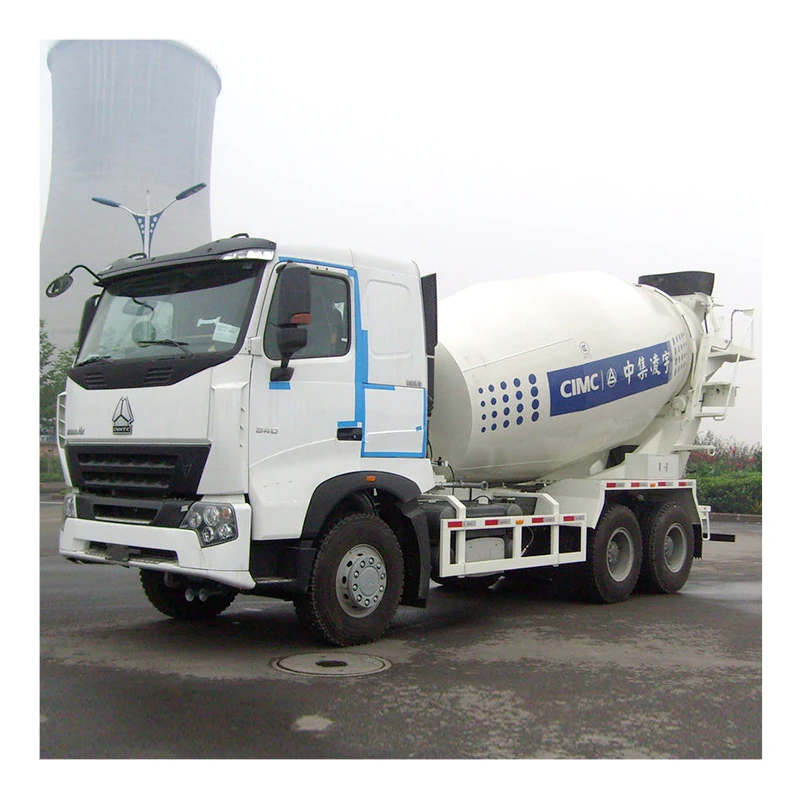
Understanding how modern concrete mixer trucks enhance project efficiency requires examining their operational capabilities, technological features, and strategic deployment methods. Contemporary construction managers recognize that efficient concrete delivery systems directly impact project schedules, budget adherence, and quality outcomes. The integration of advanced concrete mixer trucks into project workflows enables contractors to achieve faster completion times while maintaining superior concrete placement standards.
Modern concrete mixer trucks maintain optimal concrete consistency through continuous drum rotation during transportation, preventing segregation and ensuring workable concrete upon arrival. This continuous mixing process eliminates the need for remixing at job sites, reducing placement delays and improving concrete quality. Advanced hydraulic systems in contemporary concrete mixer trucks provide precise control over mixing speeds, allowing operators to adjust rotation rates based on concrete specifications and transportation duration.
The continuous mixing feature significantly reduces project downtime by ensuring concrete maintains proper plasticity throughout delivery cycles. Construction teams can coordinate multiple concrete mixer trucks to maintain steady concrete supply, eliminating waiting periods between pours and maintaining consistent work progress. This operational efficiency translates directly into reduced labor costs and accelerated project completion schedules.
Contemporary concrete mixer trucks incorporate automated batching systems that ensure precise material proportions and consistent mix quality across multiple loads. These systems reduce human error in concrete preparation while maintaining standardized strength and workability characteristics throughout project duration. Advanced control panels allow operators to monitor mixing parameters, adjust water content, and verify batch specifications in real-time.
Quality control automation in modern concrete mixer trucks minimizes concrete rejection rates and reduces costly rework scenarios. Integrated sensors monitor concrete temperature, slump characteristics, and mixing time to ensure compliance with project specifications. This technological integration enables construction managers to maintain quality standards while maximizing concrete placement efficiency across project phases.
Effective project efficiency improvement requires strategic coordination of multiple concrete mixer trucks to maintain continuous concrete supply during critical placement operations. Construction managers implement staggered delivery schedules that ensure fresh concrete availability while preventing delays caused by concrete setting time limitations. This coordination methodology enables large-scale pours without interruption, maintaining structural integrity and reducing project timeline extensions.
Advanced concrete mixer trucks support coordinated operations through standardized mixing capacities and compatible discharge systems. Fleet coordination enables construction teams to maintain optimal concrete flow rates while accommodating varying placement requirements across different project areas. Strategic truck deployment reduces concrete waste, minimizes transportation costs, and ensures consistent project progress regardless of concrete volume requirements.
Modern concrete mixer trucks feature enhanced maneuverability and compact designs that improve site access in confined construction areas. These vehicles navigate narrow roadways, tight corners, and restricted job sites more effectively than traditional concrete delivery methods. Improved accessibility reduces concrete pumping requirements and enables direct placement in previously challenging locations.
Enhanced placement efficiency results from advanced discharge control systems that provide precise concrete placement without additional handling equipment. Modern concrete mixer trucks offer variable discharge rates and directional control features that enable accurate concrete placement while minimizing material waste and labor requirements. This direct placement capability eliminates intermediate handling steps and reduces overall project completion time.
Contemporary concrete mixer trucks integrate GPS tracking technology that enables real-time fleet monitoring and optimized dispatch coordination. Project managers utilize fleet management systems to track vehicle locations, monitor delivery schedules, and coordinate concrete placement sequences. This technological integration provides immediate visibility into concrete delivery status and enables proactive schedule adjustments to maintain project efficiency.
Real-time tracking capabilities allow construction teams to anticipate concrete arrival times and prepare placement crews accordingly. GPS integration reduces concrete mixer truck idle time while ensuring optimal crew utilization throughout concrete placement operations. Advanced fleet management systems provide historical data analysis that supports future project planning and efficiency improvement strategies.
Modern concrete mixer trucks incorporate advanced communication systems that facilitate direct coordination between drivers, plant operators, and construction crews. Two-way radio systems, cellular connectivity, and integrated communication platforms ensure immediate information exchange regarding concrete specifications, delivery schedules, and placement requirements. This communication integration eliminates coordination delays and prevents miscommunication-related project disruptions.
Enhanced communication capabilities enable dynamic schedule adjustments based on real-time project conditions. Concrete mixer truck operators can receive immediate updates regarding placement sequence changes, concrete specification modifications, or site access constraints. This responsive communication system maintains project flexibility while ensuring concrete delivery efficiency regardless of changing project requirements.
Modern concrete mixer trucks reduce labor requirements through automated mixing processes and simplified concrete delivery procedures. Construction crews focus on placement activities rather than concrete preparation and handling tasks, improving overall workforce productivity. Advanced concrete mixer trucks eliminate manual mixing operations and reduce crew size requirements for concrete placement operations.
Workforce optimization results from standardized concrete delivery procedures that reduce training requirements and minimize specialized labor needs. Contemporary concrete mixer trucks provide user-friendly operation interfaces that enable efficient concrete delivery with minimal operator training. This operational simplicity reduces labor costs while maintaining consistent concrete delivery quality across different crew assignments.
Advanced concrete mixer trucks minimize material waste through precise batching systems and controlled discharge mechanisms. Accurate concrete measurement and delivery capabilities reduce over-ordering and eliminate concrete surplus that cannot be utilized effectively. Modern concrete mixer trucks provide exact concrete quantities that match project requirements, reducing material costs and disposal expenses.
Quality consistency achieved through modern concrete mixer trucks reduces concrete rejection rates and eliminates costly rework scenarios. Standardized mixing procedures and automated quality control systems ensure uniform concrete characteristics across multiple batches. This consistency reduces project delays caused by concrete quality issues while maintaining structural integrity standards throughout construction phases.
Contemporary concrete mixer trucks incorporate data collection systems that monitor operational performance, fuel efficiency, and maintenance requirements. Project managers utilize performance data to identify efficiency improvement opportunities and optimize concrete delivery operations. Advanced telematics systems provide detailed reports on concrete mixer truck utilization, operational costs, and productivity metrics.
Data analysis capabilities enable construction companies to evaluate concrete delivery efficiency across different projects and identify best practices for future implementation. Performance monitoring systems track concrete mixer truck productivity, delivery accuracy, and operational reliability to support continuous improvement initiatives. This data-driven approach enables systematic efficiency enhancement and cost reduction strategies.
Modern concrete mixer trucks feature predictive maintenance systems that monitor component performance and schedule maintenance activities before equipment failures occur. Preventive maintenance capabilities reduce unexpected downtime and ensure consistent concrete delivery reliability throughout project duration. Advanced diagnostic systems identify potential mechanical issues early, enabling proactive maintenance that prevents project disruptions.
Reliability enhancement through systematic maintenance scheduling ensures concrete mixer trucks maintain optimal performance during critical project phases. Scheduled maintenance reduces repair costs while extending equipment service life and maintaining consistent operational efficiency. This proactive maintenance approach minimizes project delays caused by equipment failures while reducing overall project costs.
Modern concrete mixer trucks offer continuous mixing during transportation, automated batching systems, GPS tracking, and advanced communication capabilities that eliminate traditional concrete delivery delays. These features ensure consistent concrete quality, reduce material waste, and enable precise delivery timing that maintains project schedules. Contemporary concrete mixer trucks also provide enhanced site accessibility and direct placement capabilities that reduce labor requirements and equipment costs.
Concrete mixer trucks improve project timelines through coordinated delivery scheduling, continuous concrete supply, and elimination of on-site mixing delays. Advanced fleet management systems enable real-time coordination that prevents concrete placement interruptions while maintaining consistent work progress. Strategic deployment of multiple concrete mixer trucks ensures steady concrete availability during critical construction phases, reducing project completion time and maintaining schedule adherence.
Construction projects achieve cost savings through reduced labor requirements, minimized material waste, eliminated rework scenarios, and decreased equipment rental needs. Modern concrete mixer trucks reduce crew size requirements while improving concrete quality consistency, resulting in lower labor costs and fewer quality-related delays. Additionally, precise concrete delivery reduces over-ordering expenses and disposal costs while maintaining optimal resource utilization throughout project execution.
Concrete mixer trucks support quality control through automated batching systems, continuous mixing processes, and integrated monitoring capabilities that ensure consistent concrete characteristics. Advanced control systems monitor concrete temperature, slump properties, and mixing parameters to maintain specification compliance throughout delivery cycles. This technological integration reduces concrete rejection rates while ensuring uniform quality standards across all concrete placement operations within the project.
Copyright © 2026 Shandong TruckLink Exporters Co.,Ltd.All rights reserved.
 EN
EN
 AR
AR
 BG
BG
 HR
HR
 CS
CS
 DA
DA
 NL
NL
 FI
FI
 FR
FR
 DE
DE
 EL
EL
 HI
HI
 JA
JA
 KO
KO
 PL
PL
 PT
PT
 RO
RO
 RU
RU
 ES
ES
 TL
TL
 ID
ID
 SR
SR
 UK
UK
 VI
VI
 SQ
SQ
 TH
TH
 TR
TR
 AF
AF
 MS
MS
 HY
HY
 AZ
AZ
 KA
KA
 BN
BN
 LO
LO
 LA
LA
 MN
MN
 MY
MY
 KK
KK
 UZ
UZ
 KY
KY