
Large-scale construction projects represent complex engineering challenges where the efficient delivery of fresh concrete becomes a critical success factor. The question of what applications make concrete mixer trucks essential in these massive undertakings reveals the fundamental role these specialized vehicles play in modern construction logistics. Understanding these specific applications helps project managers, contractors, and construction planners recognize why concrete mixer trucks have become indispensable assets for delivering consistent, high-quality concrete to demanding project sites.
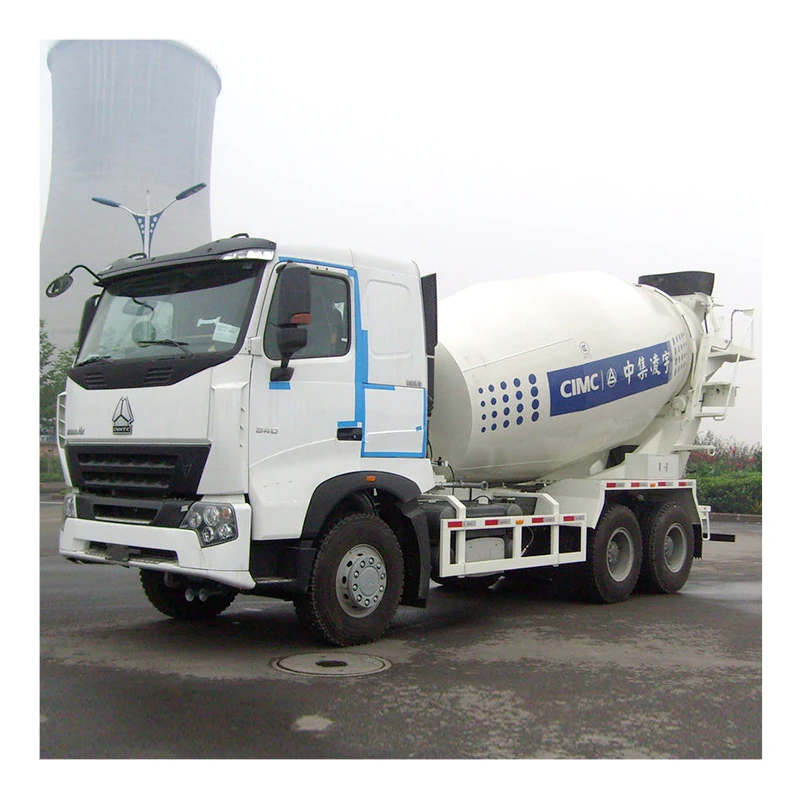
The applications that define the essential nature of concrete mixer trucks in large projects extend far beyond simple material transport. These vehicles provide mobile mixing capabilities that maintain concrete workability during extended transport periods, ensure uniform material distribution across vast project sites, and deliver the precise concrete specifications required for critical structural elements. From high-rise construction to infrastructure development, the specific applications of concrete mixer trucks determine project feasibility and execution quality in ways that static mixing solutions simply cannot match.
Large-scale high-rise construction projects require massive continuous concrete pours for foundation systems that can extend for hours or even days. Concrete mixer trucks provide the essential capability to maintain a steady supply of fresh concrete during these marathon pouring sessions, ensuring that the entire foundation system achieves uniform strength characteristics. The mobile mixing drums of these trucks prevent premature setting that would occur with traditional batch mixing methods during extended pour durations.
The application of concrete mixer trucks in continuous foundation work eliminates cold joints that could compromise structural integrity in high-rise buildings. These vehicles can queue in sequence to provide uninterrupted concrete flow, with each truck maintaining optimal concrete consistency through drum rotation until discharge. This capability becomes particularly critical when foundation systems require specialized concrete mixes with specific strength ratings or admixture combinations that cannot tolerate extended static holding periods.
High-rise construction presents unique challenges for concrete delivery to elevated work levels, where concrete mixer trucks serve as the primary staging platform for pumping operations. These vehicles position themselves optimally to feed concrete pump systems that transport material vertically through the building structure. The continuous mixing action of the truck drums ensures that concrete maintains proper consistency and workability even during extended pumping operations that can last several hours per floor.
The precision required for high-rise concrete placement makes concrete mixer trucks essential for maintaining the exact water-cement ratios and admixture concentrations specified in structural designs. Any variation in concrete properties during vertical placement could result in strength inconsistencies that compromise the building's load-bearing capacity. The controlled mixing environment within the truck drums prevents segregation and bleeding that commonly occur with other concrete delivery methods during extended vertical transport.
Large-scale highway construction projects exemplify applications where concrete mixer trucks provide irreplaceable capabilities for pavement placement and bridge structure construction. Highway concrete paving requires continuous material flow across extended distances, often spanning multiple miles of roadway where consistent concrete quality determines pavement longevity and performance. Concrete mixer trucks can traverse construction zones while maintaining optimal concrete workability, delivering material directly to paving equipment without the quality degradation associated with static mixing approaches.
Bridge construction applications particularly highlight the essential nature of concrete mixer trucks in managing complex concrete placement requirements. Bridge deck pours often require specialized concrete mixes with stringent durability specifications, including chloride resistance and freeze-thaw protection. The controlled mixing environment of concrete mixer trucks ensures these specialized admixtures remain properly distributed throughout the concrete mass during transport and placement, preventing the segregation that could compromise long-term bridge performance.
Airport runway construction represents one of the most demanding applications for concrete mixer trucks, where pavement specifications require exceptional durability and precision in concrete placement. Runway concrete must meet stringent strength requirements while maintaining uniform thickness across vast areas, often requiring concrete mixer trucks to work in coordinated fleets to ensure continuous placement without cold joints. The heavy-duty nature of runway pavements demands concrete mixes with specific aggregate gradations and admixture combinations that require continuous mixing to prevent segregation.
The logistics of airport construction create unique challenges where concrete mixer trucks must navigate around active aircraft operations while delivering material to remote runway sections. These applications require concrete mixer trucks with extended drum capacities and enhanced mobility features that allow efficient operation in restricted airfield environments. The ability to maintain concrete workability during extended transport across large airport sites makes these vehicles essential for achieving the uniform pavement quality required for safe aircraft operations.
Large industrial manufacturing facilities require massive concrete foundations designed to support heavy machinery and equipment loads, creating applications where concrete mixer trucks become essential for delivering the specialized concrete mixes required for these demanding structural elements. Industrial foundation systems often incorporate high-strength concrete with specific aggregate types and admixture combinations that prevent shrinkage cracking and provide long-term dimensional stability under dynamic loading conditions.
The scale of industrial foundation construction typically requires concrete mixer trucks to operate in coordinated sequences that maintain continuous concrete placement across extensive floor areas. These applications often involve concrete volumes measured in thousands of cubic yards, delivered over extended time periods where the mixing capabilities of concrete mixer trucks prevent premature stiffening that would compromise placement quality. The precision required for industrial floor tolerances makes the consistent concrete properties maintained by mixer truck drums essential for achieving specified surface flatness and levelness standards.
Large-scale commercial developments such as shopping centers and mixed-use complexes present complex concrete placement scenarios where concrete mixer trucks provide essential flexibility for managing diverse structural requirements within single project sites. These developments typically combine multiple building types with varying concrete specifications, requiring concrete mixer trucks to deliver different mix designs to specific building areas while maintaining the quality standards appropriate for each application.
The phased construction approach common in commercial complex development creates applications where concrete mixer trucks must adapt to changing site conditions and access requirements throughout the construction timeline. Early project phases may focus on parking structure construction requiring high-strength concrete for elevated deck systems, while later phases involve building foundation work with different concrete specifications. Concrete mixer trucks provide the operational flexibility required to support these evolving concrete delivery requirements while maintaining consistent quality standards across all project phases.
Underground construction projects create unique applications where concrete mixer trucks must deliver specialized concrete mixes designed for challenging placement conditions and aggressive underground environments. Tunnel construction often requires concrete with specific setting characteristics that allow adequate working time for placement in confined spaces while achieving rapid strength development for construction sequence requirements. The controlled mixing environment of concrete mixer trucks ensures these specialized admixtures remain properly activated during transport to underground work areas.
The logistics challenges of underground concrete delivery make concrete mixer trucks essential for maintaining concrete quality during transport through temporary access routes and construction staging areas. These applications often require concrete mixer trucks to discharge into specialized transfer equipment that moves material to final placement locations deep within tunnel systems. The ability to maintain concrete consistency during these multi-stage delivery processes prevents the segregation and workability loss that could compromise structural quality in critical underground applications.
Large-scale water treatment facilities and power plant construction projects require concrete with exceptional durability characteristics designed to withstand aggressive chemical environments and extreme operating conditions. These applications make concrete mixer trucks essential for delivering specialized concrete mixes containing corrosion-resistant admixtures and supplementary cementitious materials that require continuous mixing to maintain proper distribution throughout the concrete mass.
The massive concrete volumes required for power plant foundations and containment structures create applications where concrete mixer trucks must operate in continuous delivery cycles lasting multiple days. These extended concrete pours require precise coordination between concrete mixer trucks to prevent cold joints in critical structural elements while maintaining the specialized concrete properties required for nuclear containment or chemical resistance applications. The reliability and consistency provided by concrete mixer trucks becomes essential for achieving the quality standards required in these critical infrastructure applications.
Concrete mixer trucks provide continuous mixing capabilities that maintain concrete workability during extended transport and placement operations, which is impossible with static mixing methods. Large projects often require concrete delivery across vast distances or extended time periods where the rotating drum action prevents premature stiffening and segregation. Additionally, concrete mixer trucks offer flexibility to adjust concrete properties through controlled water addition and mixing time variation that fixed mixing systems cannot provide during active construction operations.
Modern concrete mixer trucks can accommodate diverse concrete mix designs through variable drum rotation speeds and controlled charging procedures that maintain proper admixture distribution for specialized applications. The drum design allows for complete ingredient integration regardless of whether the concrete contains standard portland cement or complex combinations of supplementary materials and chemical admixtures. The mobile nature of these trucks also enables delivery of different concrete specifications to various project areas without cross-contamination between mix designs.
Large project applications typically require concrete mixer trucks with drum capacities ranging from 8 to 12 cubic meters, providing optimal balance between payload capacity and maneuverability on construction sites. Higher capacity trucks reduce the number of delivery cycles required for massive concrete pours while maintaining the ability to navigate through construction site access roads and positioning areas. The capacity selection depends on specific project logistics including transport distances, site accessibility, and concrete placement rates required for continuous operations.
Concrete mixer trucks maintain quality consistency through standardized mixing procedures and controlled environmental protection that prevents concrete property variations during delivery operations. The enclosed drum system protects concrete from weather exposure and contamination while the continuous rotation action prevents segregation that could create strength variations in placed concrete. Quality control systems integrated into modern concrete mixer trucks also monitor mixing time and drum rotation to ensure consistent concrete properties regardless of transport duration or environmental conditions.
Copyright © 2026 Shandong TruckLink Exporters Co.,Ltd.All rights reserved.
 EN
EN
 AR
AR
 BG
BG
 HR
HR
 CS
CS
 DA
DA
 NL
NL
 FI
FI
 FR
FR
 DE
DE
 EL
EL
 HI
HI
 JA
JA
 KO
KO
 PL
PL
 PT
PT
 RO
RO
 RU
RU
 ES
ES
 TL
TL
 ID
ID
 SR
SR
 UK
UK
 VI
VI
 SQ
SQ
 TH
TH
 TR
TR
 AF
AF
 MS
MS
 HY
HY
 AZ
AZ
 KA
KA
 BN
BN
 LO
LO
 LA
LA
 MN
MN
 MY
MY
 KK
KK
 UZ
UZ
 KY
KY