
The logistics and transportation industry has witnessed a remarkable shift toward specialized cargo trucks in recent years, particularly within the bulk transport sector. These purpose-built vehicles have become the backbone of efficient material movement across industries ranging from agriculture and construction to mining and manufacturing. Understanding why specialized cargo trucks have gained such widespread adoption requires examining the unique operational demands of bulk transport and how these vehicles address critical challenges that generic transportation solutions simply cannot overcome. The popularity of specialized cargo trucks stems from their ability to optimize payload capacity, ensure cargo integrity, reduce operational costs, and comply with increasingly stringent regulatory requirements that govern the movement of bulk materials across regional and international routes.
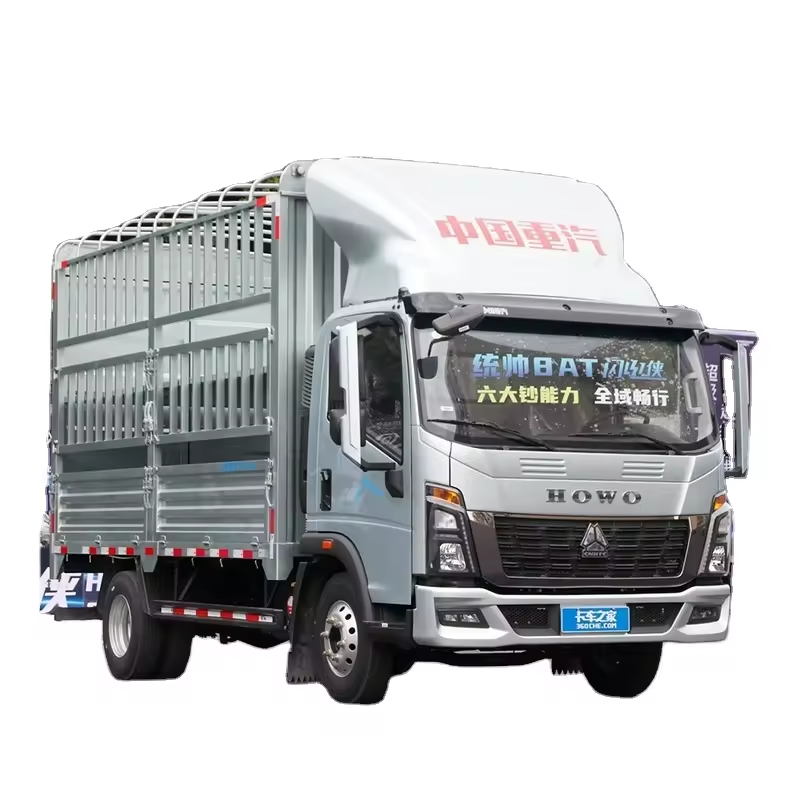
Bulk transport operations face fundamentally different challenges compared to general freight hauling, and this distinction drives the necessity for specialized cargo trucks designed with specific engineering features. When companies move large quantities of homogeneous materials such as grain, cement, aggregates, chemicals, or industrial powders, they require vehicles that can handle substantial weight loads while maintaining stability and protecting cargo from contamination or degradation during transit. Generic trucks lack the reinforced chassis, specialized loading and unloading systems, and cargo containment features that make bulk transport economically viable and operationally safe. The growing demand for specialized cargo trucks reflects an industry-wide recognition that investment in purpose-built equipment delivers superior returns through increased productivity, reduced material loss, and enhanced safety performance compared to attempting bulk operations with conventional vehicles.
Specialized cargo trucks incorporate advanced structural engineering that maximizes payload capacity while maintaining vehicle stability and road safety compliance. Unlike standard trucks with generic cargo beds, these vehicles feature reinforced frames specifically calculated to distribute heavy bulk loads across multiple axles, preventing structural fatigue and extending vehicle lifespan. The chassis design of specialized cargo trucks utilizes high-strength steel alloys and strategic weight distribution patterns that allow operators to transport maximum legal payloads without compromising handling characteristics or braking performance. This engineering approach directly translates to fewer trips required to move equivalent volumes of bulk materials, reducing fuel consumption, labor costs, and overall transportation expenses per ton of cargo delivered.
The structural advantages of specialized cargo trucks extend beyond simple weight capacity to include features that protect cargo integrity during transport. Bulk materials often require sealed containment systems that prevent moisture infiltration, dust emission, or material spillage during loading, transit, and unloading operations. Purpose-built vehicles integrate weather-resistant covers, pneumatic sealing systems, and vibration-dampening suspensions that maintain cargo quality throughout the supply chain. These protective features become particularly critical when transporting sensitive bulk materials such as agricultural grains susceptible to spoilage, pharmaceutical powders requiring contamination control, or chemical products demanding environmental protection. The investment in specialized cargo trucks pays dividends through reduced material waste, fewer quality claims, and enhanced customer satisfaction across bulk transport operations.
One of the most compelling reasons for the popularity of specialized cargo trucks in bulk transport is the integration of purpose-designed loading and unloading mechanisms that dramatically reduce handling time and labor requirements. These vehicles often feature hydraulic tipping systems, pneumatic discharge equipment, or gravity-assisted unloading mechanisms tailored to specific material characteristics. A cement bulk truck, for example, incorporates pressurized air systems that fluidize powdered materials for rapid discharge through dedicated hoses, eliminating the need for manual shoveling or mechanical excavation. Similarly, grain haulers utilize bottom-discharge gates and auger systems that enable quick unloading at receiving facilities without requiring specialized infrastructure beyond basic collection hoppers.
The efficiency gains from integrated handling systems on specialized cargo trucks extend throughout the entire logistics chain, creating cumulative time savings that improve fleet utilization rates and enable operators to complete more delivery cycles per working period. Traditional bulk transport using generic vehicles requires significant infrastructure investment at both loading and unloading points, including cranes, conveyors, or manual labor teams. Specialized cargo trucks eliminate these dependencies through self-contained handling capabilities, allowing operations at remote sites, temporary work locations, or facilities with limited material handling equipment. This operational flexibility represents a strategic advantage for transport companies serving diverse customer bases across construction sites, agricultural cooperatives, industrial plants, and distribution terminals where infrastructure availability varies significantly.
The compartment design of specialized cargo trucks addresses the unique physical and chemical properties of different bulk materials, preventing cross-contamination, ensuring regulatory compliance, and maintaining product specifications throughout transport. Food-grade bulk haulers feature stainless steel interiors with smooth surfaces that facilitate thorough cleaning between loads, preventing bacterial growth and meeting strict food safety standards. Chemical transport vehicles incorporate corrosion-resistant linings, vapor recovery systems, and compartmentalization that prevents hazardous material mixing while enabling multi-product hauling in single trips. These material-specific design features represent investments that generic trucks cannot justify economically but that become essential when transport quality directly impacts end-product value and regulatory compliance.
Beyond basic containment, specialized cargo trucks incorporate monitoring and control systems that maintain optimal conditions for sensitive bulk materials during transit. Temperature-controlled bulk haulers preserve product stability for materials requiring specific thermal ranges, while moisture-management systems prevent condensation in hygroscopic materials susceptible to clumping or degradation. These environmental control features transform specialized cargo trucks from simple transport vessels into mobile storage systems that extend the viable handling window for time-sensitive bulk materials. The ability to maintain precise environmental conditions during transport eliminates the need for intermediate warehousing or expedited delivery schedules, providing logistics flexibility that reduces overall supply chain costs while ensuring consistent product quality at destination points.
When evaluating why specialized cargo trucks dominate bulk transport operations, financial analysis consistently demonstrates superior total cost of ownership compared to attempting equivalent operations with general-purpose vehicles. Although initial acquisition costs for specialized cargo trucks exceed those of standard trucks, the operational savings accumulated over vehicle lifespan create compelling return on investment profiles. Fuel efficiency improvements resulting from aerodynamic designs and optimized weight distribution reduce per-mile operating costs, while purpose-built durability extends service intervals and reduces maintenance frequency. The economic case for specialized cargo trucks strengthens further when accounting for productivity gains from faster loading cycles, reduced material loss, and enhanced cargo protection that minimizes damage claims and product replacement costs.
The financial advantages of specialized cargo trucks become particularly evident in high-volume bulk transport operations where marginal efficiency improvements multiply across thousands of annual trips. A five percent reduction in fuel consumption translates to substantial annual savings when applied across fleet operations, while a ten percent increase in payload capacity per trip reduces the total number of vehicle cycles required to move equivalent material volumes. These operational efficiencies compound with reduced labor requirements at loading facilities, decreased insurance premiums resulting from improved safety records, and enhanced customer retention driven by reliable service quality. Fleet operators increasingly recognize that specialized cargo trucks represent strategic capital investments that generate competitive advantages through operational excellence rather than mere commodity transportation capacity.
The regulatory landscape governing bulk material transport has become increasingly complex, with stringent requirements addressing environmental protection, public safety, and product quality assurance. Specialized cargo trucks incorporate design features that ensure compliance with these evolving standards, protecting operators from costly violations, operational shutdowns, and legal liabilities. Emission control systems meet or exceed regional air quality requirements, sealed containment prevents environmental contamination from material spillage, and load monitoring systems prevent overweight violations that trigger substantial fines and vehicle impoundment. The built-in compliance features of specialized cargo trucks reduce the administrative burden of regulatory management while providing operational certainty that generic vehicles cannot guarantee.
Risk mitigation extends beyond regulatory compliance to encompass operational safety, cargo security, and liability management across bulk transport operations. Specialized cargo trucks feature stability control systems, reinforced containment structures, and emergency shutdown mechanisms that reduce accident frequency and severity when transporting potentially hazardous bulk materials. These safety enhancements translate directly to reduced insurance premiums, lower workers compensation claims, and decreased liability exposure for transport operators. The comprehensive risk management capabilities embedded in specialized cargo trucks create measurable financial value that justifies premium acquisition costs while protecting long-term business viability in an increasingly litigious and regulated operating environment.
Transport companies operating specialized cargo trucks gain significant competitive advantages in customer acquisition and retention within the bulk logistics market. Industrial customers increasingly demand service providers with demonstrated capabilities in handling specific material types, and the investment in purpose-built equipment signals operational competence and commitment to quality service delivery. Specialized cargo trucks enable transport operators to pursue premium-rate contracts with customers requiring certified handling procedures, contamination-free transport, or specialized loading capabilities that generic carriers cannot provide. This market positioning strategy allows specialized carriers to avoid commodity pricing pressures and establish long-term customer relationships based on service differentiation rather than lowest-cost bidding.
The marketing value of operating modern specialized cargo trucks extends to brand perception and corporate reputation within industrial supply chains. Customers touring carrier facilities or observing fleet equipment at loading sites form immediate impressions about operational professionalism and service reliability based on visible equipment quality and specialization. Transport companies operating well-maintained fleets of specialized cargo trucks project images of capability, investment in quality, and commitment to customer requirements that influence purchasing decisions and contract renewals. These intangible brand benefits complement direct operational advantages, creating comprehensive value propositions that justify the premium positioning and pricing strategies essential for sustaining profitable operations in competitive bulk transport markets.
The versatility of modern specialized cargo trucks enables transport operators to serve diverse industry sectors with single fleet investments, maximizing asset utilization while building expertise across multiple market segments. A well-designed bulk hauler can transport agricultural products during harvest seasons, construction materials during building cycles, and industrial feedstocks for manufacturing operations throughout the year. This operational flexibility smooths revenue streams by reducing dependency on seasonal demand fluctuations in individual industries while leveraging specialized equipment investments across maximum annual operating hours. The ability to pivot between market segments based on demand conditions represents a strategic advantage that specialized cargo trucks provide over highly specialized single-purpose vehicles with limited application ranges.
Multi-industry capability requires specialized cargo trucks to incorporate adaptable features that accommodate varying material characteristics without requiring extensive reconfiguration between loads. Modular compartment liners enable quick transitions between food-grade and non-food applications through thorough cleaning and liner replacement procedures. Adjustable suspension systems accommodate different load densities while maintaining optimal ride characteristics and road surface protection. These adaptability features transform specialized cargo trucks into versatile platforms that maximize revenue-generating potential across economic cycles and geographic markets. Transport operators leveraging this flexibility achieve higher equipment utilization rates and stronger financial performance compared to competitors locked into narrow market niches with specialized equipment offering limited application diversity.
Specialized cargo trucks designed for bulk transport incorporate features that extend viable operating ranges while optimizing route efficiency across diverse geographic conditions. Enhanced fuel capacity enables longer distances between refueling stops, reducing delivery times on intercity and regional routes while minimizing unproductive downtime. Advanced navigation systems integrated with route planning software identify optimal paths considering weight restrictions, height clearances, and road surface conditions that impact bulk cargo stability. These technological capabilities enable specialized cargo trucks to serve remote production sites, rural distribution points, and cross-border corridors that present logistical challenges for conventional transportation equipment.
The geographic versatility of specialized cargo trucks creates strategic value for operators serving industries with dispersed production facilities or widely distributed customer bases. Mining operations, agricultural cooperatives, and construction projects frequently occur in remote locations with limited transportation infrastructure, requiring vehicles capable of navigating unpaved access roads, steep grades, and challenging weather conditions. Specialized cargo trucks built for these demanding applications feature all-wheel drive systems, reinforced suspensions, and robust chassis designs that maintain operational capability across diverse terrain types. This go-anywhere capability expands addressable market opportunities while enabling premium pricing for transport services to challenging locations that generic carriers avoid or serve only at substantial cost premiums.
Modern specialized cargo trucks incorporate telematics systems and fleet management technologies that enable operators to scale operations efficiently while maintaining tight operational control across distributed vehicle fleets. Real-time location tracking, fuel consumption monitoring, and maintenance alerting systems provide visibility into fleet performance metrics that inform data-driven management decisions. These integrated technologies enable transport companies to optimize dispatch scheduling, predict maintenance requirements, and identify performance outliers requiring driver training or vehicle servicing. The operational intelligence generated through connected specialized cargo trucks transforms fleet management from reactive problem-solving to proactive optimization, improving overall efficiency while reducing unplanned downtime and operational disruptions.
The scalability advantages provided by technology-enabled specialized cargo trucks become particularly valuable as transport operations expand geographically or add vehicle capacity to serve growing customer demand. Centralized fleet management systems maintain consistent operational standards across multiple vehicles and driver teams, ensuring service quality remains uniform regardless of organizational scale. Performance benchmarking capabilities identify best practices from high-performing vehicles and drivers, enabling systematic improvement initiatives that raise overall fleet productivity. These management capabilities transform specialized cargo trucks from isolated assets into integrated components of intelligent transportation systems that deliver compound efficiency gains as fleet size increases, creating economies of scale that strengthen competitive positioning in bulk transport markets.
The ongoing integration of advanced driver assistance systems and semi-autonomous technologies into specialized cargo trucks represents a significant factor driving continued adoption in bulk transport operations. Collision avoidance systems, lane departure warnings, and adaptive cruise control reduce accident frequency while decreasing driver fatigue on long-haul bulk transport routes. These safety technologies complement the inherent stability advantages of purpose-designed chassis and suspension systems, creating comprehensive safety profiles that reduce insurance costs and improve driver retention in an industry facing persistent labor shortages. The technological sophistication of modern specialized cargo trucks attracts younger drivers familiar with digital interfaces and automation technologies, helping transport companies address demographic challenges in workforce recruitment and development.
Looking forward, the pathway toward fully autonomous bulk transport appears clearest in specialized cargo trucks operating on dedicated routes between fixed production and distribution points. The repetitive nature of many bulk transport operations, combined with the controlled environments of industrial facilities and private haul roads, creates ideal conditions for deploying autonomous vehicle technologies ahead of general freight applications. Transport companies investing in current-generation specialized cargo trucks with advanced telematics and control systems position themselves to adopt autonomous capabilities through software upgrades and incremental hardware additions, preserving capital investments while participating in transformative technological shifts. This technology migration path represents a strategic consideration in equipment acquisition decisions as forward-thinking operators prepare for the autonomous future of bulk transportation.
Environmental sustainability concerns and regulatory pressures toward decarbonization are accelerating innovation in specialized cargo trucks, with manufacturers developing electric, hybrid, and alternative fuel variants specifically designed for bulk transport applications. Electric powertrains offer significant advantages for specialized cargo trucks operating on predictable routes with opportunities for centralized charging at loading facilities during scheduled loading and unloading periods. The instant torque characteristics of electric motors prove particularly beneficial for bulk haulers navigating hilly terrain or requiring frequent acceleration from stops at traffic signals and facility gates. Although current battery technology limits the viable range of heavy-duty electric specialized cargo trucks, ongoing improvements in energy density and charging speed are rapidly expanding practical application scenarios, particularly for regional bulk transport operations within metropolitan areas facing increasingly stringent emission regulations.
Beyond pure electric powertrains, specialized cargo trucks are incorporating hybrid systems that combine diesel engines with electric motors and regenerative braking to improve fuel efficiency while reducing emissions. These hybrid configurations prove especially effective in bulk transport applications involving significant elevation changes where regenerative braking during descents recaptures energy to assist acceleration on subsequent climbs. Alternative fuel options including compressed natural gas, liquefied natural gas, and renewable diesel provide additional pathways for reducing the carbon footprint of specialized cargo trucks while maintaining the operational range and payload capacity essential for long-haul bulk transport. The diverse powertrain options emerging in specialized cargo trucks enable transport operators to align equipment choices with specific route characteristics, customer sustainability requirements, and regional fuel infrastructure availability, ensuring that environmental performance improvements do not compromise operational effectiveness.
The transformation of specialized cargo trucks into connected digital assets integrated with broader supply chain management systems represents a fundamental shift in how bulk transport operations create value for customers and differentiate service offerings. Real-time cargo tracking, automated arrival notifications, and digital proof-of-delivery systems eliminate information delays and communication inefficiencies that historically plagued bulk logistics coordination. Customers gain unprecedented visibility into shipment status, enabling just-in-time inventory management and reducing safety stock requirements at receiving facilities. This digital transparency creates measurable value for customers through improved operational planning while providing specialized cargo truck operators with opportunities to charge premium rates for enhanced service visibility and reliability.
The integration of specialized cargo trucks with enterprise resource planning systems, warehouse management platforms, and transportation management software creates seamless information flows that optimize the entire bulk supply chain beyond individual transport movements. Automated order processing triggers dispatch scheduling that coordinates vehicle availability with production schedules and delivery windows, eliminating manual coordination inefficiencies and reducing order cycle times. Predictive analytics applied to historical transportation data identify patterns that inform proactive capacity planning, route optimization, and preventive maintenance scheduling. These digital capabilities transform specialized cargo trucks from simple transportation assets into intelligent nodes within sophisticated logistics networks, creating compound value that extends far beyond the physical movement of bulk materials.
Specialized cargo trucks incorporate purpose-built features specifically engineered for bulk material handling, including reinforced chassis designed to distribute heavy loads across multiple axles, integrated loading and unloading systems that reduce handling time and labor requirements, and material-specific compartment designs that prevent contamination and maintain product quality. These vehicles also feature sealed containment systems that prevent spillage and emissions, compliance with regulatory requirements governing bulk material transport, and structural durability that extends service life under demanding operational conditions. The engineering advantages translate directly to operational efficiency, reduced costs per ton transported, and enhanced safety performance compared to attempting bulk operations with generic trucks lacking these specialized capabilities.
Specialized cargo trucks enhance profitability through multiple mechanisms including optimized payload capacity that reduces the number of trips required to move equivalent material volumes, integrated handling systems that decrease loading and unloading time while reducing labor costs, and material protection features that minimize cargo loss and damage claims. The purpose-built durability extends vehicle service life and reduces maintenance frequency, while fuel efficiency improvements from aerodynamic designs and weight optimization lower per-mile operating costs. Additionally, specialized cargo trucks enable premium pricing strategies by demonstrating operational competence and service differentiation that justify higher rates compared to commodity transport offerings, while built-in regulatory compliance features reduce violation risks and associated penalties that erode profit margins.
Modern specialized cargo trucks are designed with versatility to accommodate diverse bulk material types through adaptable features including modular compartment liners that enable transitions between food-grade and industrial applications, adjustable suspension systems that accommodate varying load densities, and configurable discharge mechanisms suitable for different material flow characteristics. While some highly specialized vehicles focus on narrow material categories requiring unique handling systems, many bulk haulers incorporate flexible designs that serve multiple industries including agriculture, construction, chemicals, and manufacturing. This multi-material capability maximizes asset utilization by enabling operators to pursue opportunities across market segments and smooth revenue through diversified customer bases, though thorough cleaning protocols and compartment preparation remain essential when transitioning between incompatible material types to prevent cross-contamination and maintain product quality standards.
The evolution of specialized cargo trucks is being driven by several key technological advancements including telematics and fleet management systems that provide real-time visibility into vehicle location, performance metrics, and maintenance requirements, advanced driver assistance systems that enhance safety through collision avoidance and stability control, and alternative powertrains including electric, hybrid, and renewable fuel options that reduce environmental impact while maintaining operational capability. Digital integration with supply chain management platforms creates seamless information flows that optimize logistics coordination, while predictive analytics applied to operational data enable proactive maintenance scheduling and route optimization. Looking forward, semi-autonomous and fully autonomous driving capabilities specifically tailored to bulk transport applications on dedicated routes represent the next frontier in specialized cargo truck technology, promising further improvements in safety, efficiency, and operational cost reduction.
Copyright © 2026 Shandong TruckLink Exporters Co.,Ltd.All rights reserved.
 EN
EN
 AR
AR
 BG
BG
 HR
HR
 CS
CS
 DA
DA
 NL
NL
 FI
FI
 FR
FR
 DE
DE
 EL
EL
 HI
HI
 JA
JA
 KO
KO
 PL
PL
 PT
PT
 RO
RO
 RU
RU
 ES
ES
 TL
TL
 ID
ID
 SR
SR
 UK
UK
 VI
VI
 SQ
SQ
 TH
TH
 TR
TR
 AF
AF
 MS
MS
 HY
HY
 AZ
AZ
 KA
KA
 BN
BN
 LO
LO
 LA
LA
 MN
MN
 MY
MY
 KK
KK
 UZ
UZ
 KY
KY