

When importers evaluate cargo trucks for international procurement, they face a complex web of considerations that extend far beyond initial purchase price. The decision to import cargo trucks requires a strategic approach that balances immediate operational needs with long-term value, regulatory compliance, and market-specific conditions. Whether sourcing light-duty cargo trucks for urban distribution or heavy-duty models for intercontinental freight operations, importers must navigate technical specifications, supplier credibility, financial implications, and post-purchase support systems. This comprehensive analysis examines the critical factors that determine successful cargo truck procurement, helping importers avoid costly mistakes while optimizing their fleet investment for sustainable business growth.
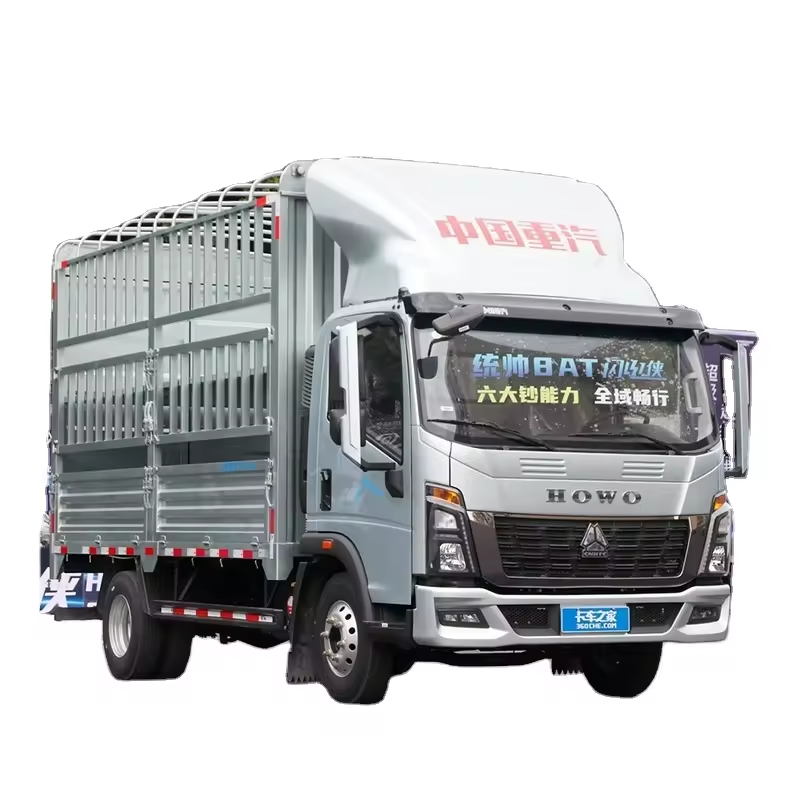
The global cargo truck market presents both opportunities and challenges for importers seeking to establish or expand their commercial vehicle fleets. Understanding which factors carry the most weight in procurement decisions can mean the difference between a profitable investment and operational headaches that erode margins. From payload capacity and fuel efficiency to spare parts availability and after-sales service networks, each consideration plays a vital role in the total cost of ownership equation. Importers who systematically evaluate these factors position themselves to negotiate better terms, select more suitable vehicles, and build resilient supply chains that support their business objectives across diverse operating environments.
The payload capacity of cargo trucks represents the foundational specification that importers must align with their operational needs. Light-duty cargo trucks typically handle loads between 1.5 to 3.5 tons, making them suitable for urban delivery and last-mile logistics. Medium-duty models accommodate 3.5 to 8 tons, serving regional distribution networks, while heavy-duty cargo trucks exceed 8 tons for long-haul freight operations. Importers should calculate their actual hauling requirements based on shipment volumes, delivery frequencies, and route characteristics rather than simply choosing the largest capacity available. Oversized vehicles incur unnecessary fuel costs and licensing fees, while undersized cargo trucks lead to multiple trips that reduce operational efficiency and increase labor expenses.
Vehicle classification also determines licensing requirements, road access permissions, and regulatory compliance obligations in destination markets. Many countries impose weight restrictions on urban roads and bridges, limiting where heavy cargo trucks can operate legally. Importers must research local transportation laws to ensure their selected vehicles match permitted weight classes for intended routes. Additionally, payload capacity directly influences chassis strength, suspension systems, and braking performance, which affect vehicle longevity and maintenance costs. Selecting cargo trucks with appropriate load ratings prevents premature wear on critical components and reduces the risk of structural failures that could result in cargo damage or safety incidents.
Engine specifications fundamentally impact the operational economics of cargo trucks throughout their service life. Diesel engines dominate commercial vehicle markets due to superior torque characteristics and fuel efficiency compared to gasoline alternatives. Importers should evaluate engine displacement, horsepower ratings, and torque curves to ensure adequate power for loaded operation across varied terrain. Underpowered cargo trucks struggle on inclines, consume excessive fuel through constant downshifting, and experience accelerated component wear. Conversely, oversized engines add unnecessary weight and initial cost without proportional performance benefits for lighter-duty applications.
Fuel consumption rates directly influence total operating costs, particularly for fleets covering substantial daily mileage. Modern cargo trucks equipped with advanced fuel injection systems, turbochargers, and optimized transmission ratios deliver significantly better efficiency than older technologies. Importers should request detailed fuel consumption data under various load conditions and compare figures across potential suppliers. Even modest differences in fuel efficiency compound into substantial cost variations over years of operation. Additionally, emissions standards compliance affects market access, as many regions enforce Euro 4, Euro 5, or equivalent environmental regulations that restrict entry of non-compliant cargo trucks. Verifying that engine specifications meet current and anticipated future emissions requirements protects importers from regulatory obsolescence and potential operational restrictions.
Transmission selection significantly influences driver comfort, fuel economy, and maintenance requirements for cargo trucks. Manual transmissions remain prevalent in commercial vehicles due to lower initial costs and simpler maintenance protocols, making them attractive for price-sensitive markets and operations with skilled drivers. However, automated manual transmissions and fully automatic systems reduce driver fatigue, improve fuel efficiency through optimized shift patterns, and lower training requirements for new operators. Importers operating in congested urban environments where frequent gear changes occur should seriously consider automated options despite higher upfront costs, as the productivity gains and reduced driver turnover often justify the premium.
Drivetrain configuration determines cargo truck capability across different operating conditions. Rear-wheel drive dominates most cargo truck applications due to optimal weight distribution when loaded and simpler mechanical design. Four-wheel drive or all-wheel drive configurations suit operations in challenging terrain, adverse weather conditions, or off-road environments, though they add complexity and maintenance requirements. The number of axles and tire configurations also affects load distribution, stability, and legal compliance with axle weight regulations. Importers should match drivetrain specifications to actual route conditions rather than over-specifying for occasional extreme situations that might be better handled through specialized subcontractors.
The credibility and history of cargo truck manufacturers provide critical indicators of product quality and long-term support reliability. Established manufacturers with decades of commercial vehicle production typically maintain more robust quality control systems, engineering expertise, and component supply chains compared to newer market entrants. Importers should research manufacturer production volumes, market presence in multiple countries, and independent quality assessments to gauge reliability. Awards, certifications, and third-party testing results offer objective validation beyond marketing claims. Companies with extensive track records in demanding markets demonstrate proven ability to support cargo trucks through various operating conditions and regulatory environments.
However, manufacturer reputation alone does not guarantee suitability for specific applications. Importers must verify that the manufacturer's product portfolio includes cargo trucks designed for their intended use cases rather than attempting to adapt vehicles developed for different markets or purposes. Regional variations in road conditions, climate factors, and operating practices mean that cargo trucks succeeding in one market may perform poorly elsewhere without proper adaptation. Engaging with existing fleet operators in the destination market provides valuable insights into real-world performance, common issues, and manufacturer responsiveness to problems. This due diligence helps importers avoid costly commitments to suppliers whose products or support infrastructure prove inadequate after deployment.
The financial health of cargo trucks suppliers directly affects their ability to honor warranties, maintain spare parts inventories, and provide ongoing technical support throughout vehicle service lives. Importers should request financial statements, bank references, and credit ratings when considering significant fleet investments. Suppliers experiencing financial difficulties may compromise component quality to reduce costs, delay shipments to manage cash flow, or fail to fulfill warranty obligations. These risks multiply for importers in distant markets who cannot easily switch suppliers or access alternative support networks after initial purchase.
Business continuity planning extends beyond current financial stability to include succession plans, ownership structure transparency, and strategic direction. Family-owned enterprises transitioning between generations sometimes experience operational disruptions that affect customer support. Similarly, companies undergoing mergers, acquisitions, or restructuring may alter product lines, discontinue models, or reduce service commitments. Importers making multi-year fleet procurement commitments should assess supplier stability across these dimensions to minimize the risk of orphaned vehicles lacking parts or service support. Establishing relationships with multiple authorized service providers in the destination market creates backup options should the primary supplier relationship deteriorate.
Comprehensive quality verification before cargo trucks leave the manufacturing facility prevents costly issues discovered only after international shipment. Importers should insist on detailed pre-shipment inspection protocols covering mechanical systems, electrical components, body integrity, and documentation accuracy. Professional third-party inspection services provide objective assessment independent of supplier quality claims. Inspection reports should document component serial numbers, test results for critical systems, paint quality, and conformance to ordered specifications. This creates accountability and provides evidence should disputes arise regarding vehicle condition or specification compliance.
Factory acceptance testing for cargo trucks should include road trials under loaded conditions to verify performance meets specifications. Static inspections alone cannot reveal issues with transmission shifting quality, suspension behavior, brake effectiveness, or engine performance under load. Importers purchasing significant quantities should consider witnessing factory inspections personally or through local representatives to understand manufacturing processes and quality control rigor. This direct engagement also establishes working relationships with factory personnel who may provide valuable support during vehicle customization or when addressing future technical questions. Documenting inspection findings and obtaining formal sign-off from suppliers creates clear reference points should warranty claims become necessary.
Initial purchase price negotiations for cargo trucks require understanding how various factors influence pricing structures. Volume commitments typically unlock significant discounts, but importers must balance lower unit costs against inventory carrying costs and fleet deployment timelines. Requesting detailed price breakdowns that separate base vehicle costs from optional equipment, delivery charges, and documentation fees reveals opportunities for strategic negotiation. Suppliers often build flexibility into pricing for specific components, allowing importers to optimize specifications that matter most for their operations while accepting standard options in less critical areas to achieve better overall pricing.
Payment terms significantly impact cash flow management and financial risk distribution between importers and suppliers. Standard terms often require substantial deposits upon order confirmation with balance due before shipment, creating exposure if vehicles fail to meet specifications or delivery schedules slip. Negotiating milestone-based payments tied to manufacturing completion, pre-shipment inspection approval, and successful delivery protects importer interests while providing suppliers necessary working capital. Letters of credit through established financial institutions offer security for both parties by ensuring payment contingent on document compliance. Importers should also clarify which party bears currency exchange risk when transactions span extended manufacturing and shipping periods, as exchange rate fluctuations can significantly alter effective purchase costs for cargo trucks.
Understanding the complete landed cost of cargo trucks requires detailed analysis of import duties, value-added taxes, and compliance-related expenses specific to destination markets. Tariff classifications for commercial vehicles vary based on gross vehicle weight, engine displacement, and intended use, with rates ranging from zero percent under free trade agreements to over thirty percent in protected markets. Importers should consult customs brokers and trade lawyers to determine accurate duty rates and identify opportunities for classification optimization. Some jurisdictions offer reduced rates for cargo trucks meeting specific environmental standards or intended for particular economic sectors, creating savings opportunities through careful specification selection and documentation.
Beyond basic import duties, cargo trucks often face special taxes based on engine displacement, emissions levels, or luxury classifications. Registration fees, annual road taxes, and mandatory insurance requirements add to the total cost of vehicle ownership and vary substantially across markets. Some countries impose higher taxes on diesel vehicles to discourage emissions, while others incentivize commercial vehicle investment through accelerated depreciation allowances or tax credits. Importers must model these ongoing costs across expected vehicle service lives to accurately compare options and determine true profitability. Additionally, compliance with local safety standards may require modifications such as specific lighting configurations, reflective markings, or speed limiting devices. Budgeting for these adaptations during initial procurement prevents unexpected expenses that erode investment returns.
Long-term maintenance expenses represent a substantial portion of total cargo truck ownership costs and vary dramatically based on component quality, design complexity, and parts distribution networks. Importers should request detailed maintenance schedules specifying service intervals, required consumables, and expected replacement timings for wear components such as brakes, clutches, and tires. Comparing these schedules across potential suppliers reveals significant differences in operating cost profiles. Cargo trucks requiring specialized tools, proprietary diagnostic equipment, or factory-trained technicians for routine maintenance incur higher expenses than models serviceable with standard tools and widely available skills.
Spare parts availability directly impacts vehicle uptime and operational continuity. Importers must verify that suppliers maintain adequate parts inventories in the destination market or region, with reasonable lead times for both routine consumables and critical components. Establishing relationships with authorized service centers before purchasing cargo trucks ensures access to genuine parts and qualified technicians. However, importers should also investigate aftermarket parts availability for common wear items, as competitive aftermarket suppliers often provide cost-effective alternatives for components like filters, brake pads, and electrical parts. The balance between genuine and aftermarket parts strategies affects both cost management and warranty compliance, requiring careful policy development based on component criticality and supplier warranty terms.
Comprehensive warranty coverage protects importers from unexpected repair costs during the critical early operation period when cargo trucks should deliver peak performance. Standard commercial vehicle warranties typically cover major powertrain components for two years or 100,000 kilometers, with shorter coverage for electrical systems and body components. Importers should carefully review warranty terms to understand exclusions, maintenance requirements that condition coverage, and geographic limitations on where warranty service can be performed. Extended warranty options provide additional protection but require cost-benefit analysis based on expected utilization intensity and historical reliability data for specific cargo truck models.
Warranty claim procedures significantly impact the practical value of coverage promises. Complex documentation requirements, lengthy approval processes, or disputes over failure causation can delay repairs and create operational disruptions that offset warranty benefits. Importers should clarify claim filing procedures, typical approval timeframes, and whether warranty repairs require specific parts or can utilize locally sourced alternatives in emergency situations. Understanding how suppliers handle warranty disputes and whether they maintain local representatives empowered to authorize repairs prevents situations where cargo trucks sit idle awaiting approval from distant headquarters. Some manufacturers offer warranty programs specifically designed for export markets, with streamlined procedures recognizing the challenges of international communication and parts logistics.
Effective operation and maintenance of cargo trucks depends on adequate training for drivers, mechanics, and fleet managers. Importers should negotiate comprehensive training programs as part of purchase agreements, covering proper driving techniques, routine maintenance procedures, and troubleshooting common issues. Hands-on training at the supplier's facility allows key personnel to understand vehicle systems thoroughly and establish direct relationships with factory technical staff. Video training materials, detailed service manuals, and online technical support resources extend learning beyond initial sessions and provide reference materials for ongoing operations.
Technical support accessibility affects how quickly operational issues can be resolved and vehicles returned to service. Suppliers offering multi-channel support through phone hotlines, email, video conferencing, and on-site visits provide flexibility to match problem urgency and complexity. Time zone differences between manufacturing locations and import markets can complicate real-time communication, making self-service resources like technical databases, diagnostic software, and documented troubleshooting procedures particularly valuable. Importers operating large cargo truck fleets should consider establishing formalized support agreements with dedicated account managers and guaranteed response times for critical failures. These arrangements cost more than basic support but deliver substantial value through reduced downtime and faster problem resolution.
The geographic distribution and capabilities of authorized service centers determine how effectively importers can maintain cargo trucks across dispersed operations. Dense service networks in major commercial centers provide convenient access to qualified technicians and genuine parts, minimizing downtime for routine maintenance and repairs. However, operations extending into secondary cities or rural areas require assessment of service availability in those locations. Importers should map their operational territories against supplier service networks to identify coverage gaps that might necessitate mobile service arrangements, technician training for in-house capabilities, or strategic parts inventory positioning.
Service center capabilities vary from basic maintenance facilities offering oil changes and brake service to comprehensive workshops equipped for major overhauls and complex diagnostics. Importers should evaluate whether local service centers possess necessary diagnostic equipment, technical training, and parts inventory to support their specific cargo truck models effectively. Establishing pre-arranged service agreements with multiple facilities creates redundancy and ensures capacity availability during peak demand periods. Some importers develop hybrid service strategies combining authorized dealer support for warranty-covered repairs and complex diagnostics with in-house capabilities for routine maintenance and minor repairs, optimizing costs while maintaining service quality. This approach requires initial investment in tools, training, and parts inventory but generates long-term savings for substantial fleets.
Understanding destination market dynamics helps importers select cargo trucks that align with local preferences, competitive positioning, and customer expectations. Markets with established preferences for specific brands or vehicle types create both challenges and opportunities. Entering markets dominated by familiar brands requires importers to offer compelling value propositions through superior pricing, enhanced features, or better service support. Conversely, introducing well-regarded cargo truck brands into underserved markets positions importers as premium providers commanding higher margins. Analyzing competitor offerings, pricing strategies, and market positioning informs procurement decisions that differentiate importer offerings from existing alternatives.
Local infrastructure conditions profoundly affect cargo truck suitability and performance. Markets with excellent road networks and regular maintenance allow lighter chassis designs and standard suspension systems, while regions with poor road quality demand reinforced frames, heavy-duty suspensions, and additional protective measures. Climate factors including temperature extremes, humidity levels, and dust exposure influence cooling system requirements, corrosion protection needs, and filtration specifications. Importers should specify cargo trucks engineered for local environmental conditions rather than assuming standard specifications suit all markets. This attention to market-specific requirements reduces premature failures, enhances customer satisfaction, and builds reputation for supplying appropriate rather than merely cheap vehicles.
Navigating regulatory requirements for cargo trucks involves understanding safety standards, emissions regulations, and type-approval processes specific to destination markets. Many countries require formal homologation or certification confirming vehicles meet national safety and environmental standards before allowing registration and operation. This process can take months and require substantial documentation including engineering reports, test results, and manufacturing quality certifications. Importers should verify that suppliers possess necessary certifications or can obtain them within acceptable timeframes before committing to purchases. Working with suppliers experienced in specific markets accelerates approval processes through familiarity with requirements and established relationships with regulatory authorities.
Emissions standards increasingly influence cargo truck specifications and market access. Euro 4, Euro 5, and Euro 6 standards progressively restrict particulate matter and nitrogen oxide emissions, requiring advanced engine technologies and exhaust treatment systems. Some markets enforce current international standards while others accept older norms, creating price-performance trade-offs. Importing cargo trucks exceeding minimum local requirements future-proofs investments against tightening regulations but increases initial costs. Conversely, minimum-compliance vehicles risk obsolescence as regulations evolve. Importers should assess regulatory trajectory in target markets and balance current savings against potential future restrictions that could shorten vehicle useful life or limit resale values. Additionally, some jurisdictions offer incentives for low-emission vehicles through reduced registration fees or tax benefits, potentially offsetting higher purchase costs for compliant cargo trucks.
Financing strategies significantly impact cargo truck acquisition feasibility and fleet expansion capabilities. Traditional bank loans, equipment leasing, and supplier financing programs each offer distinct advantages depending on importer financial positions and operational plans. Outright purchase provides full ownership and asset control but requires substantial capital deployment. Leasing arrangements preserve working capital and offer upgrade flexibility but result in higher total costs over extended periods. Some suppliers provide attractive financing terms to facilitate sales, but importers should compare effective interest rates against local financing options to ensure competitiveness. Government programs supporting commercial vehicle acquisition through subsidized loans or loan guarantees exist in some markets, offering favorable terms that justify additional application effort.
Insurance requirements for cargo trucks vary based on local regulations, financing arrangements, and operational risk profiles. Comprehensive coverage protecting against collision damage, theft, and third-party liability costs more than basic mandatory insurance but prevents catastrophic financial losses. Insurers assess premiums based on vehicle specifications, driver experience, operational areas, and claims history. Importers should obtain insurance quotes during procurement planning to incorporate these costs into total ownership calculations. Some insurance providers offer fleet policies with volume discounts and centralized management for importers operating multiple cargo trucks. Additionally, cargo insurance protecting goods in transit represents separate but related coverage that customers expect from professional logistics providers. Bundling vehicle and cargo insurance through single providers sometimes yields administrative efficiencies and cost savings worth exploring during procurement planning.
The operational lifespan of cargo trucks typically ranges from eight to fifteen years depending on maintenance quality, operating intensity, and environmental conditions. Light-duty cargo trucks used for urban delivery with regular maintenance often exceed ten years of service, while heavy-duty models in demanding applications may require replacement after eight to ten years despite proper care. Actual vehicle longevity depends more on accumulated mileage and operating hours than calendar age. Trucks covering 100,000 kilometers annually experience component wear five times faster than those operating 20,000 kilometers yearly. Importers can extend cargo truck service lives through preventive maintenance programs, quality parts selection, and operator training that minimizes abuse. However, eventually economic considerations favor replacement when repair costs and downtime exceed the depreciated value and reliability of newer alternatives.
Determining optimal cargo truck sizing requires systematic analysis of actual shipment volumes, delivery frequencies, route characteristics, and growth projections. Importers should compile historical data on typical load weights and volumes, identifying patterns in shipment sizes and frequency distribution. This analysis reveals whether operations require consistent capacity or vary substantially, informing decisions about fleet composition. Right-sizing means selecting cargo trucks that operate at seventy to eighty percent capacity on typical loads, providing efficiency without constant maximum loading that accelerates wear. Importers serving diverse customer segments may need mixed fleets combining different capacity cargo trucks rather than single-size solutions. Additionally, regulatory factors including driver licensing requirements and road access restrictions influence practical size choices regardless of theoretical optimal capacity calculations.
Several warning signs indicate potential problems with cargo truck suppliers that importers should recognize during evaluation. Reluctance to provide factory visits or detailed production documentation suggests quality control weaknesses or misrepresentation of manufacturing capabilities. Suppliers unable to provide verifiable customer references or those whose references report poor after-sales support indicate likely future problems. Unrealistic pricing significantly below market rates often signals compromised component quality, inadequate engineering, or unsustainable business models that threaten long-term parts availability. Pressure tactics demanding immediate decisions without adequate evaluation time suggest supplier desperation or attempts to prevent thorough due diligence. Additionally, suppliers lacking clear warranty terms, transparent parts pricing, or established service networks demonstrate insufficient commitment to customer support beyond initial sales. Importers encountering these red flags should proceed cautiously or consider alternative suppliers regardless of attractive initial pricing.
Risk mitigation for international cargo truck procurement involves multiple complementary strategies creating layers of protection. Conducting thorough supplier due diligence including factory audits, financial verification, and customer reference checks establishes baseline credibility before commitments. Engaging experienced customs brokers, freight forwarders, and trade lawyers ensures compliance with import regulations and proper documentation. Utilizing letters of credit through reputable financial institutions protects payment security and creates recourse mechanisms. Comprehensive pre-shipment inspections by independent third parties verify quality and specification compliance before acceptance. Negotiating detailed contracts specifying performance standards, delivery timelines, warranty terms, and dispute resolution procedures creates clear expectations and enforcement mechanisms. Starting with smaller initial orders before committing to large fleet purchases allows operational validation and supplier reliability assessment with limited exposure. Finally, maintaining relationships with multiple potential suppliers prevents complete dependence on single sources and preserves negotiating leverage throughout ongoing procurement relationships.
Copyright © 2026 Shandong TruckLink Exporters Co.,Ltd.All rights reserved.
 EN
EN
 AR
AR
 BG
BG
 HR
HR
 CS
CS
 DA
DA
 NL
NL
 FI
FI
 FR
FR
 DE
DE
 EL
EL
 HI
HI
 JA
JA
 KO
KO
 PL
PL
 PT
PT
 RO
RO
 RU
RU
 ES
ES
 TL
TL
 ID
ID
 SR
SR
 UK
UK
 VI
VI
 SQ
SQ
 TH
TH
 TR
TR
 AF
AF
 MS
MS
 HY
HY
 AZ
AZ
 KA
KA
 BN
BN
 LO
LO
 LA
LA
 MN
MN
 MY
MY
 KK
KK
 UZ
UZ
 KY
KY