
Optimizing loading efficiency with the right semi trailer is a critical factor that directly impacts operational costs, delivery schedules, and overall fleet productivity. The selection of an appropriate semi trailer configuration affects weight distribution, cargo accessibility, loading time, and fuel consumption, making it essential for logistics managers to understand how different trailer specifications align with their specific hauling requirements.
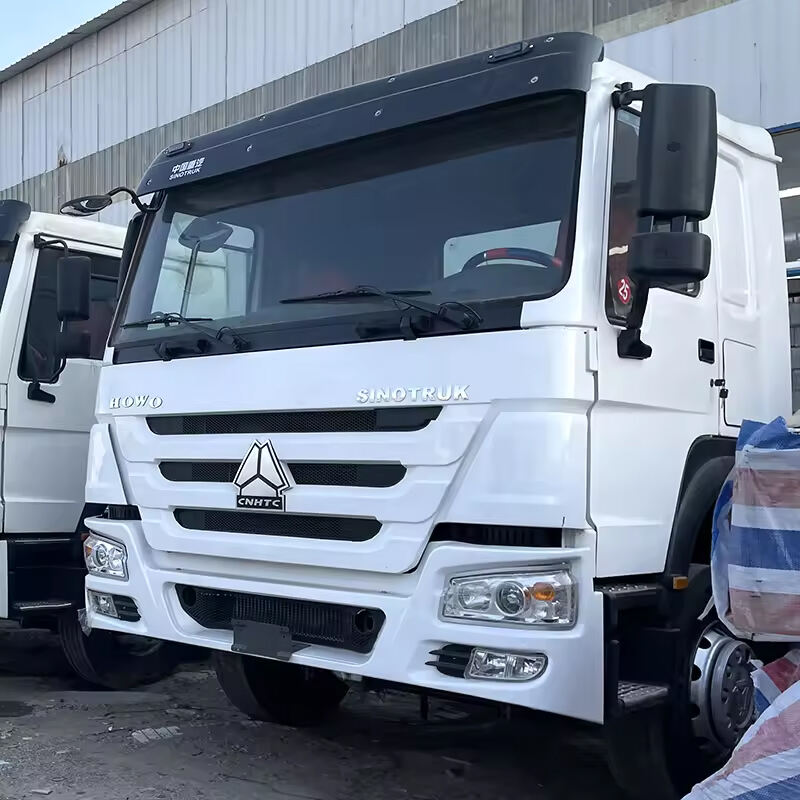
The relationship between semi trailer design and loading efficiency extends beyond simple cargo capacity considerations. Proper trailer selection involves analyzing cargo types, loading dock configurations, route characteristics, and operational workflows to maximize throughput while minimizing handling time and labor costs. Understanding these optimization principles enables fleet operators to achieve significant improvements in their loading operations.
Effective loading efficiency begins with understanding how weight distribution affects semi trailer performance and safety. The positioning of cargo within the trailer directly influences axle weight distribution, which impacts braking performance, tire wear, and fuel consumption. Proper weight distribution ensures that the semi trailer maintains optimal traction and stability during transportation.
The center of gravity plays a crucial role in loading optimization, as cargo positioned too far forward or backward can create handling difficulties and increase the risk of jackknifing or trailer sway. Modern semi trailer designs incorporate specific features to help drivers and loading personnel achieve proper weight distribution, including marked loading zones and weight distribution guides.
Advanced semi trailer configurations now include integrated load monitoring systems that provide real-time feedback on weight distribution during the loading process. These systems help prevent overloading specific axles while ensuring maximum payload utilization within legal weight limits.
The accessibility of cargo within a semi trailer significantly impacts loading and unloading efficiency. Trailer designs that facilitate easy access to different cargo sections reduce handling time and minimize the need for cargo repositioning during multi-stop deliveries. Side-access doors, rear swing doors, and roll-up configurations each offer distinct advantages for specific loading scenarios.
Loading sequence optimization requires careful consideration of delivery order and cargo characteristics. A well-designed semi trailer allows for strategic cargo placement that minimizes handling during unloading operations. This involves positioning frequently accessed items near access points and ensuring that heavier items are loaded first to maintain stability.
The integration of cargo securing systems within the semi trailer design also affects loading efficiency. Trailers equipped with integrated tie-down points, load bars, and cargo nets reduce the time required for load securement while improving cargo protection during transport.
Different cargo types require specific semi trailer configurations to achieve optimal loading efficiency. Dry van trailers excel in handling palletized goods and general freight, offering weather protection and security while maintaining standardized loading procedures. The enclosed design of these semi trailer units provides consistent internal dimensions that facilitate automated loading systems and predictable cargo arrangements.
Flatbed semi trailer configurations offer superior loading efficiency for oversized or irregularly shaped cargo that cannot be accommodated in enclosed trailers. The open design allows for crane loading, forklift access from multiple angles, and the ability to handle cargo that exceeds standard trailer height limitations. However, this configuration requires additional considerations for load securement and weather protection.
Specialized semi trailer designs, such as curtain-sided or tautliner configurations, provide a balance between accessibility and protection. These trailers allow side loading while maintaining weather protection, significantly reducing loading times for operations that require frequent cargo access during multi-stop routes.
The internal dimensions of a semi trailer directly affect loading efficiency through their impact on cargo arrangement and space utilization. Standard trailer widths of 102 inches accommodate two standard pallets side by side, but variations in internal width can affect pallet positioning and require adjustments to loading procedures.
Trailer length selection influences loading efficiency by determining the number of pallet positions available and affecting the ability to accommodate mixed cargo sizes. Longer semi trailer configurations provide increased cargo capacity but may require specialized loading equipment and longer loading times due to increased cargo handling distances.
Interior height considerations affect loading efficiency particularly for operations involving stacked cargo or automated loading systems. Higher internal clearance allows for more efficient use of vertical space but may require modifications to loading dock configurations and handling equipment.
The interface between loading docks and semi trailer configurations significantly affects loading efficiency and operational workflow. Proper trailer height matching with dock levels minimizes the need for hydraulic dock levelers and reduces the physical strain on loading personnel. Standard semi trailer deck heights of 48-52 inches align with most commercial loading docks, but variations require careful consideration.
Trailer positioning systems and dock sealing mechanisms affect loading efficiency by reducing the time required for trailer positioning and environmental control during loading operations. Modern semi trailer designs incorporate features that facilitate quick coupling with dock systems, including reinforced rear frames and standardized positioning guides.
The integration of trailer restraint systems improves loading safety and efficiency by preventing trailer movement during loading operations. These systems automatically engage with the semi trailer rear impact guard, eliminating the need for manual wheel chocking and reducing setup time.
The compatibility between material handling equipment and semi trailer design affects loading speed and operational efficiency. Forklift access requirements influence trailer design features such as rear door configurations, internal clearance dimensions, and floor construction. Trailers designed for forklift operations incorporate reinforced floors and appropriate turning radii to accommodate different forklift types.
Conveyor system integration with semi trailer loading operations requires specific trailer modifications and positioning capabilities. Extendable conveyors that interface directly with trailer interiors can significantly reduce loading times, but require semi trailer designs that accommodate conveyor positioning and support structures.
Automated loading systems represent the most advanced approach to loading efficiency optimization, requiring semi trailer configurations specifically designed for robotic loading equipment. These systems achieve maximum loading efficiency but require significant investment in both trailer modifications and facility upgrades.
Effective pre-loading preparation significantly impacts overall loading efficiency with any semi trailer configuration. This process includes cargo staging, loading sequence planning, and equipment preparation to minimize delays during the actual loading process. Proper cargo organization reduces handling time and ensures optimal space utilization within the trailer.
Documentation preparation and load planning software help optimize semi trailer loading by providing detailed loading diagrams and weight distribution calculations. These tools ensure that loading personnel understand the optimal cargo placement before beginning the physical loading process, reducing repositioning requirements and improving efficiency.
Equipment readiness checks ensure that all material handling equipment is operational and properly positioned before trailer arrival. This preparation reduces downtime and allows loading operations to begin immediately when the semi trailer is positioned and secured at the loading dock.
Standardized loading procedures improve efficiency regardless of the specific semi trailer configuration being loaded. These procedures include consistent cargo inspection protocols, standardized securement methods, and defined quality checkpoints throughout the loading process. Standardization reduces variability in loading times and improves predictability in operational scheduling.
Training programs focused on efficient loading techniques help personnel maximize the capabilities of different semi trailer configurations. These programs cover proper lifting techniques, equipment operation, and load securement methods specific to various trailer types and cargo configurations.
Performance monitoring systems track loading efficiency metrics across different semi trailer types and cargo configurations. This data helps identify optimization opportunities and supports continuous improvement initiatives that enhance overall operational efficiency.
Consider cargo type, loading dock configuration, delivery route characteristics, and handling equipment compatibility. The trailer's internal dimensions, access points, and weight capacity must align with your specific operational requirements. Additionally, evaluate the integration capabilities with your existing loading equipment and facility infrastructure.
Different trailer configurations significantly impact loading efficiency through their effect on cargo accessibility, handling requirements, and equipment compatibility. Side-loading trailers can reduce loading time by up to 30% for certain cargo types, while specialized configurations may require additional handling steps that increase labor costs but improve cargo protection.
Most automated loading systems require semi trailer modifications or specific design features to achieve optimal performance. Standard trailers can often be retrofitted with automated system compatibility features, but purpose-built trailers designed for automation provide the best efficiency and reliability. The investment in compatible trailer configurations typically pays for itself through reduced labor costs and improved loading speed.
Regular maintenance of door mechanisms, floor surfaces, and cargo securement systems is essential for maintaining loading efficiency. Worn floors can impede material handling equipment operation, while damaged doors increase loading time and compromise cargo security. Preventive maintenance schedules should include specific attention to components that directly affect loading operations.
Copyright © 2026 Shandong TruckLink Exporters Co.,Ltd.All rights reserved.
 EN
EN
 AR
AR
 BG
BG
 HR
HR
 CS
CS
 DA
DA
 NL
NL
 FI
FI
 FR
FR
 DE
DE
 EL
EL
 HI
HI
 JA
JA
 KO
KO
 PL
PL
 PT
PT
 RO
RO
 RU
RU
 ES
ES
 TL
TL
 ID
ID
 SR
SR
 UK
UK
 VI
VI
 SQ
SQ
 TH
TH
 TR
TR
 AF
AF
 MS
MS
 HY
HY
 AZ
AZ
 KA
KA
 BN
BN
 LO
LO
 LA
LA
 MN
MN
 MY
MY
 KK
KK
 UZ
UZ
 KY
KY