
Construction and mining operations demand reliable equipment that can withstand demanding conditions while maximizing operational efficiency. A heavy duty dump truck serves as the backbone of material transportation in industrial projects, offering the capacity and durability needed for large-scale operations. Selecting the right heavy duty dump truck involves careful consideration of payload capacity, engine performance, safety features, and operational costs that directly impact project profitability and worker safety.
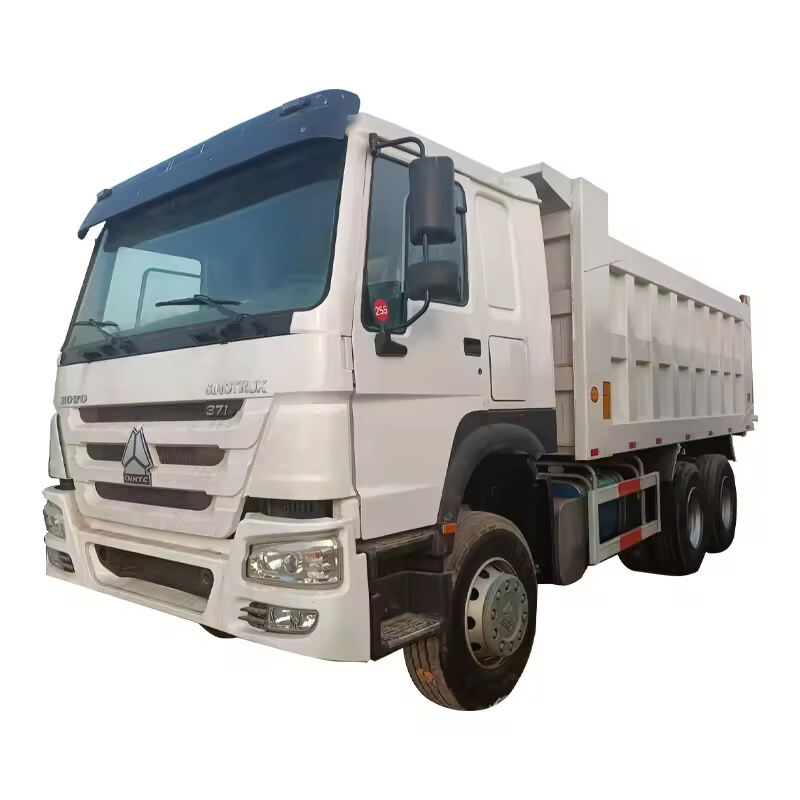
The transportation of bulk materials requires equipment engineered for extreme conditions and continuous operation. Modern heavy duty dump truck models incorporate advanced hydraulic systems, reinforced chassis designs, and powerful engines that deliver consistent performance across various terrain types. These vehicles represent significant capital investments that require thorough evaluation of specifications, manufacturer reputation, and long-term operational requirements before making purchasing decisions.
The heart of any heavy duty dump truck lies in its engine capabilities and power management systems. Contemporary models feature engines ranging from 350 to 400 horsepower, providing sufficient torque for loaded operations while maintaining fuel efficiency during extended work cycles. Advanced engine management systems optimize fuel injection timing, exhaust gas recirculation, and turbocharger performance to deliver consistent power output across varying load conditions and operational environments.
Transmission systems play equally important roles in power distribution and operational efficiency. Heavy duty dump truck configurations typically incorporate automated manual transmissions or fully automatic systems that reduce operator fatigue while optimizing gear selection for specific load conditions. These transmissions feature multiple forward gears and robust clutch systems designed to handle frequent start-stop cycles common in construction and mining applications.
Payload specifications determine the economic viability of heavy duty dump truck operations in specific applications. Most industrial-grade models offer payload capacities between 25 to 45 tons, with chassis and suspension systems engineered to distribute weight evenly across axle configurations. The structural integrity of the truck bed, hydraulic lifting mechanisms, and frame components directly impacts operational reliability and maintenance requirements over the vehicle's service life.
Material composition and manufacturing quality significantly influence durability and resistance to wear in demanding operational environments. High-strength steel construction, reinforced welding techniques, and corrosion-resistant coatings extend operational life while reducing maintenance intervals. Proper weight distribution and balanced load handling capabilities prevent premature wear on tires, brakes, and drivetrain components, ultimately reducing total cost of ownership for fleet operators.
Safety considerations remain paramount when operating heavy duty dump truck equipment in industrial environments with multiple workers and machinery. Modern braking systems incorporate anti-lock braking systems, electronic brake force distribution, and pneumatic brake assist technologies that provide consistent stopping power regardless of load conditions or terrain characteristics. These systems reduce stopping distances and maintain vehicle stability during emergency braking situations.
Auxiliary braking systems, including engine compression braking and hydraulic retarders, provide additional stopping power during descent operations and reduce wear on primary brake components. Regular inspection and maintenance of brake systems ensure optimal performance and compliance with safety regulations governing commercial vehicle operations in construction and mining environments.
Operator visibility directly impacts safety performance in heavy duty dump truck operations, particularly in congested work areas with multiple equipment and personnel. Comprehensive mirror systems, backup cameras, and proximity sensors provide operators with enhanced awareness of surrounding conditions and potential hazards. Advanced monitoring systems display real-time information about engine performance, hydraulic pressure, and operational parameters that enable proactive maintenance and prevent costly breakdowns.
Cabin design incorporates ergonomic principles that reduce operator fatigue during extended work shifts while providing clear sight lines to critical operational areas. Sound insulation, climate control systems, and vibration dampening technologies create comfortable working environments that promote operator alertness and safety awareness throughout demanding work cycles.
Fuel costs represent significant operational expenses for heavy duty dump truck fleets, making efficiency optimization essential for project profitability. Modern engines incorporate common rail fuel injection systems, variable geometry turbochargers, and exhaust after-treatment technologies that maximize fuel economy while meeting emissions regulations. Proper route planning, load management, and operator training contribute to fuel savings and reduced environmental impact.
Telematics systems provide real-time monitoring of fuel consumption patterns, engine performance metrics, and operational efficiency indicators that enable fleet managers to identify improvement opportunities. Data analysis reveals trends in fuel usage, maintenance requirements, and operator performance that support informed decision-making for fleet optimization and cost reduction initiatives.
Preventive maintenance programs significantly impact the operational reliability and service life of heavy duty dump truck equipment. Scheduled maintenance intervals based on operating hours, mileage, and operational conditions ensure optimal performance while preventing catastrophic failures that result in costly downtime and repairs. Access to service points, component accessibility, and parts availability influence maintenance efficiency and overall operational costs.
Quality components and manufacturing standards directly correlate with maintenance requirements and operational longevity. Heavy duty dump truck models featuring proven drivetrain components, robust hydraulic systems, and durable structural elements typically require less frequent repairs and deliver extended service life. Comprehensive warranty programs and manufacturer support services provide additional protection against unexpected maintenance costs and operational disruptions.
Operating environments significantly influence heavy duty dump truck selection criteria, with different applications requiring specific capabilities and configurations. Off-road operations demand enhanced ground clearance, all-wheel drive systems, and reinforced undercarriage protection to navigate rough terrain and challenging surface conditions. Urban construction projects may prioritize maneuverability, noise reduction, and emissions compliance over pure off-road capability.
Climate conditions affect component selection, fluid specifications, and maintenance requirements for heavy duty dump truck operations. Cold weather operations require engine block heaters, arctic-grade lubricants, and enhanced battery systems to ensure reliable starting and operation in low-temperature conditions. Hot climate operations benefit from enhanced cooling systems, heat-resistant components, and dust filtration systems that protect internal components from contamination.
Material types and handling requirements influence heavy duty dump truck specifications and operational procedures. Dense materials like concrete, asphalt, and aggregate require trucks with higher structural capacity and robust hydraulic lifting systems. Lighter materials such as topsoil, mulch, and construction debris allow for larger volume capacities while maintaining legal weight limits and optimal fuel efficiency.
Dump body configurations vary based on material characteristics and unloading requirements. Standard rear-dump designs provide versatility for most applications, while side-dump configurations offer advantages in specific scenarios such as road construction and materials placement in confined areas. Specialized linings, reinforcement materials, and hydraulic cylinder configurations accommodate different material types and operational requirements.
Emerging technologies are transforming heavy duty dump truck operations through autonomous systems and remote control capabilities that enhance safety and productivity in mining and construction applications. GPS-guided navigation systems, obstacle detection sensors, and automated dumping sequences reduce human operator exposure to hazardous conditions while maintaining operational efficiency and accuracy.
Remote monitoring and control systems enable operators to manage multiple heavy duty dump truck units from centralized locations, improving coordination and reducing labor costs. Real-time data transmission provides fleet managers with comprehensive operational insights that support proactive maintenance scheduling, route optimization, and performance improvement initiatives across entire equipment fleets.
Environmental regulations continue to drive innovation in heavy duty dump truck design and operation, with manufacturers developing cleaner engines and alternative fuel systems that reduce emissions while maintaining performance standards. Selective catalytic reduction systems, diesel particulate filters, and exhaust gas recirculation technologies enable compliance with stringent emissions standards in urban and environmentally sensitive areas.
Alternative fuel systems, including compressed natural gas, electric powertrains, and hybrid configurations, offer potential solutions for reducing environmental impact and operating costs. These technologies require careful evaluation of infrastructure requirements, operational range limitations, and total cost of ownership compared to traditional diesel-powered heavy duty dump truck options.
Optimal payload capacity depends on material density, haul distance, road conditions, and legal weight restrictions. Consider the specific gravity of materials being transported, required trip frequency, and bridge weight limits along transportation routes. Balance maximum payload with fuel efficiency and component longevity to optimize operational costs and productivity.
Maintenance requirements vary based on component quality, design complexity, and manufacturer support networks. Evaluate scheduled maintenance intervals, parts availability, service center locations, and warranty coverage when comparing different heavy duty dump truck options. Consider total cost of ownership including maintenance expenses over the expected service life.
Essential safety features include advanced braking systems, backup cameras, proximity sensors, and comprehensive lighting systems. Operator visibility enhancements, stability control systems, and emergency communication equipment significantly reduce accident risks. Regular safety training and equipment inspections ensure proper utilization of available safety technologies.
Terrain characteristics influence drivetrain configuration, ground clearance, tire selection, and chassis reinforcement requirements. Off-road applications benefit from all-wheel drive, differential locks, and enhanced suspension systems. Urban operations may prioritize fuel efficiency, noise reduction, and maneuverability over extreme off-road capability while maintaining adequate performance for occasional rough terrain navigation.
Copyright © 2026 Shandong TruckLink Exporters Co.,Ltd.All rights reserved.
 EN
EN
 AR
AR
 BG
BG
 HR
HR
 CS
CS
 DA
DA
 NL
NL
 FI
FI
 FR
FR
 DE
DE
 EL
EL
 HI
HI
 JA
JA
 KO
KO
 PL
PL
 PT
PT
 RO
RO
 RU
RU
 ES
ES
 TL
TL
 ID
ID
 SR
SR
 UK
UK
 VI
VI
 SQ
SQ
 TH
TH
 TR
TR
 AF
AF
 MS
MS
 HY
HY
 AZ
AZ
 KA
KA
 BN
BN
 LO
LO
 LA
LA
 MN
MN
 MY
MY
 KK
KK
 UZ
UZ
 KY
KY