

Keeping concrete mixer trucks in peak operational condition is one of the most critical responsibilities for fleet managers and construction operators alike. These machines endure some of the harshest working environments in the industry — from heavy drum loads and abrasive materials to extreme temperatures and continuous on-road stress. Without a structured maintenance program, concrete mixer trucks deteriorate rapidly, leading to costly downtime, expensive repairs, and shortened service lifespans that erode your return on investment.
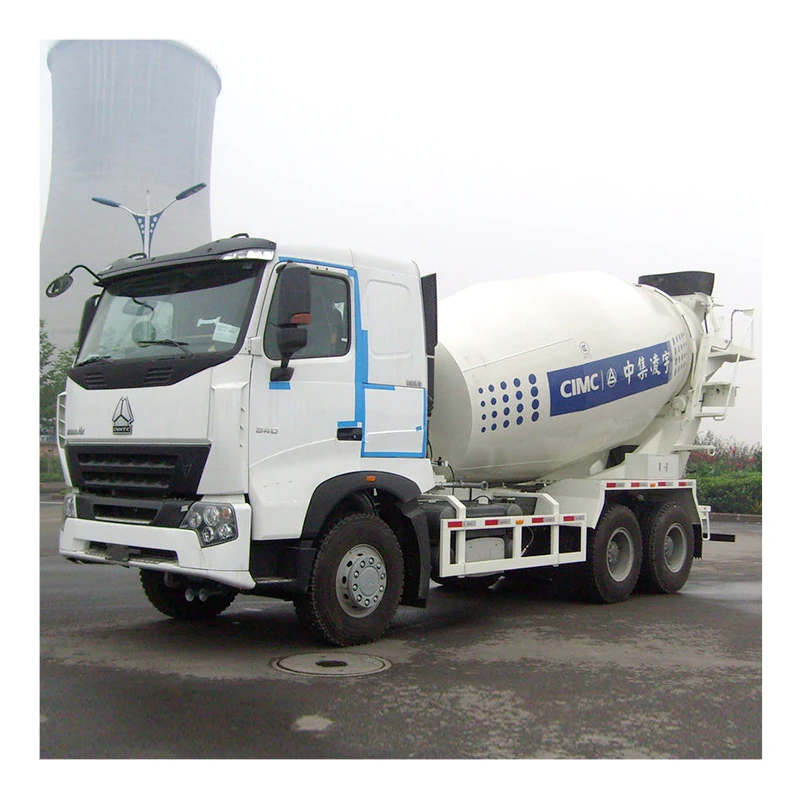
The good news is that concrete mixer trucks are designed to last for many years — even decades — when properly maintained. A disciplined approach to inspection, cleaning, lubrication, and component replacement is the foundation of long-term reliability. This guide outlines the most effective maintenance strategies across every major system of these vehicles, giving operators and fleet owners a practical roadmap for maximizing the lifespan and performance of their concrete mixer trucks throughout years of continuous service.
Concrete mixer trucks are not standard freight vehicles. They carry rotating drums filled with heavy, chemically active material that exerts continuous stress on the chassis, drivetrain, and hydraulic systems. The drum itself rotates during transit, creating constant vibration and mechanical load that no conventional truck experiences. This unique operating profile means that general vehicle maintenance practices are insufficient on their own — you must apply industry-specific protocols to protect these assets effectively.
The materials that concrete mixer trucks handle are also inherently destructive. Cement and aggregates are highly abrasive, and hardened concrete residue can cause serious damage to drum interiors, discharge chutes, and water systems if not cleaned promptly. The alkaline nature of cement paste accelerates corrosion on metal components, making surface protection and cleaning routines not just best practice but a genuine mechanical necessity for long service life.
Understanding these demands at the outset helps operators design a maintenance schedule that addresses the actual stress points of the machine, rather than applying a generic service routine that misses the most critical wear areas specific to concrete mixer trucks.
Deferred maintenance on concrete mixer trucks accumulates costs in ways that are rarely visible until they become emergencies. A worn hydraulic seal, for example, may cause only minor fluid seepage initially, but left unaddressed, it can lead to complete hydraulic pump failure that immobilizes the vehicle on a job site. The cost of emergency repair, crane rental, and project delays can easily exceed the value of a full year of scheduled preventive maintenance.
Preventive maintenance programs have consistently demonstrated that fleets operating concrete mixer trucks under structured service schedules achieve significantly lower lifetime repair costs compared to those using reactive maintenance. More importantly, well-maintained vehicles retain higher resale values, pass safety inspections more reliably, and give operators the confidence to take on demanding project schedules without the risk of unexpected breakdowns disrupting deliveries.
The single most impactful daily maintenance task for concrete mixer trucks is thorough drum cleaning after each use. Concrete begins to set quickly, and even a thin layer of hardened residue inside the drum reduces capacity, adds dead weight, and accelerates wear on the drum fins and mixing blades. Operators should use the onboard water system to flush the drum immediately after discharging the load, while the concrete is still fresh and easily removed.
The discharge chute and hopper area also require immediate attention after each delivery. These surfaces accumulate concrete splatter that hardens into stubborn deposits within hours. A quick high-pressure rinse after every load prevents buildup that would otherwise require aggressive mechanical removal — potentially damaging painted or coated surfaces in the process.
Operators of concrete mixer trucks should also inspect the drum entry area and the drum drive ring gear for concrete intrusion. Even small amounts of hardened material lodged around the gear teeth can interfere with rotation and cause accelerated gear wear that requires costly component replacement far sooner than expected.
Before any shift begins, operators of concrete mixer trucks must verify the levels and condition of all critical fluids: engine oil, coolant, hydraulic fluid, transmission fluid, and the water tank for drum washing. Low fluid levels are a leading cause of premature component failure, and checking them takes only minutes. Any level that falls below the recommended mark should be investigated for leaks before the vehicle is dispatched.
Tire pressure inspection is equally important for concrete mixer trucks, which operate at high gross vehicle weights that amplify the consequences of under-inflated tires. Incorrect tire pressure increases fuel consumption, accelerates tire wear unevenly, and introduces handling risks — particularly when navigating construction site terrain. A calibrated tire pressure gauge should be part of every pre-shift checklist without exception.
Brake system pressure, indicator lights, and horn functionality should also be verified at the start of each shift. Concrete mixer trucks frequently operate in congested construction zones and public roads where reliable braking is non-negotiable. Identifying a brake system anomaly before departure is far safer and less costly than discovering it during operation.
The hydraulic system is the heart of drum operation in concrete mixer trucks. It drives the rotation of the drum during mixing, transit, and discharge — meaning it operates under load for virtually the entire working day. Hydraulic oil contamination is one of the most destructive threats to this system. Dirt, water, and metal particles introduced through degraded seals or improper fluid handling cause rapid wear to pump internals, control valves, and hydraulic motors.
Hydraulic fluid in concrete mixer trucks should be changed at the intervals specified by the manufacturer — typically every 1,000 to 2,000 operating hours depending on the working environment. In dusty or high-temperature conditions, more frequent changes are advisable. Hydraulic filters must be replaced simultaneously with fluid changes, as a used filter cannot adequately protect fresh oil from recirculating contaminants already present in the system.
Hose and fitting inspections should be conducted weekly on concrete mixer trucks operating at high utilization. Hydraulic hoses exposed to concrete splatter, abrasion from debris, and repeated flexing during drum operation are prone to developing micro-cracks that precede catastrophic failure. Identifying and replacing a compromised hose during a scheduled inspection costs a fraction of what an emergency repair and fluid cleanup requires.
Many concrete mixer trucks use hydraulic cylinders to operate the discharge chute, control the mixing drum tilt angle, or actuate other components. These cylinders are exposed to concrete splatter and abrasive grit that can score the rod surface and damage seals. Operators should routinely wipe down exposed cylinder rods and inspect them for pitting, scratches, or rust — any of which can destroy rod seals within a short operating period.
Applying a thin protective film of hydraulic fluid to cylinder rods after cleaning is a simple practice that dramatically extends seal life. When seals do show signs of weeping — even minor oil film on the rod — they should be replaced promptly. Delaying seal replacement in concrete mixer trucks' hydraulic cylinders almost always results in more extensive damage and higher repair costs as the leak worsens.
Concrete mixer trucks have numerous lubrication points distributed across the chassis, drum support bearings, drive shaft universal joints, and suspension components. A comprehensive lubrication schedule using the correct grease type for each application is essential to preventing premature bearing and joint failure. Many operators underestimate how much the weight of a loaded drum amplifies stress on these components, making proper greasing even more critical than on standard commercial trucks.
The drum support rollers and the rear thrust bearing are particularly important lubrication points on concrete mixer trucks. These components carry the full weight of the drum and its contents — which can exceed several tonnes — while the drum rotates continuously. Insufficient lubrication here generates heat, accelerates metal fatigue, and can cause catastrophic bearing collapse that requires drum removal and full bearing replacement.
A systematic approach to lubrication — using a documented service chart that identifies every grease nipple location, the recommended lubricant, and the service interval — ensures that no lubrication point is overlooked during routine maintenance. This is especially important when maintenance responsibilities are shared among multiple technicians working on a fleet of concrete mixer trucks.
The engine in concrete mixer trucks operates under conditions that differ significantly from highway freight vehicles. Stop-and-go operation on construction sites, frequent idling to power the drum, and the additional load of the hydraulic pump mean that the engine accumulates wear faster than its mileage alone would suggest. Engine oil changes should therefore be governed by both mileage and operating hours, with the stricter interval taking priority.
Transmission maintenance is equally important for concrete mixer trucks that navigate inclines, soft ground, and congested delivery routes. Transmission fluid should be inspected at every major service for signs of discoloration, metallic particles, or unusual odor — all of which indicate internal wear that requires investigation. Maintaining the transmission in good condition directly affects the vehicle's ability to control drum speed through the PTO system, which is critical to concrete quality during transit.
Air filter service is often underestimated for concrete mixer trucks working on dusty construction sites. A clogged air filter reduces engine efficiency, increases fuel consumption, and can allow particulate intrusion into the engine over time. Checking and replacing air filters more frequently than the standard interval is a cost-effective way to protect engine life in high-dust operating environments.
The structural integrity of concrete mixer trucks depends on the condition of the chassis frame and the drum shell. Operators and maintenance personnel should conduct visual inspections of the frame at regular intervals, looking for cracks at weld joints, stress fractures near mounting points, and signs of distortion caused by overloading. Early detection of frame damage prevents progressive failure that could render the vehicle unfit for service.
Drum shell inspections focus on identifying areas of wall thinning caused by abrasive wear from aggregate materials. On heavily used concrete mixer trucks, the drum interior at the mixing blade attachment points is particularly susceptible to wear. When blade thickness or drum wall thickness falls below the manufacturer's minimum specification, replacement is necessary to maintain mixing efficiency and prevent perforation that would cause concrete leakage during transit.
Corrosion is one of the most pervasive threats to the long-term structural health of concrete mixer trucks. The combination of cement alkalinity, water exposure, road salt in cold climates, and metallic wear particles creates a highly corrosive environment for exposed steel surfaces. A proactive corrosion management program includes regular pressure washing of the undercarriage, prompt touch-up of paint chips and scratched surfaces, and periodic application of anti-corrosion coatings to vulnerable areas.
The drum exterior is frequently neglected in favor of interior cleaning, but cement paste and water residue on the drum surface slowly attack protective coatings and initiate rust. Maintaining the drum's exterior paint or coating not only preserves appearance but also protects the steel from the alkaline attack that would otherwise thin the drum walls from outside as well as inside.
Fleet operators managing multiple concrete mixer trucks should consider scheduling annual corrosion inspections by a qualified technician who can assess the condition of hidden structural members, weld joints, and sub-frame areas that are difficult to inspect during routine daily checks. This level of systematic attention to corrosion management can add many years to the operational life of each vehicle in the fleet.
Beyond daily operator rinse routines, the drum interior of concrete mixer trucks should undergo a thorough professional cleaning every three to six months depending on utilization. This involves removing hardened concrete buildup using mechanical tools or approved concrete dissolving agents. Accumulated deposits reduce drum capacity, add operational weight, and stress the drum drive system — all of which reduce efficiency and increase wear over time.
Hydraulic fluid contamination is the leading cause of premature hydraulic system failure in concrete mixer trucks. Contamination typically enters through degraded seals, improper fluid top-up practices, or delayed filter replacement. Establishing a strict hydraulic fluid change schedule, using only manufacturer-recommended fluids, and inspecting seals and hoses regularly are the most effective preventive measures.
Maintaining correct tire pressure at all times is the single most impactful practice for extending tire life on concrete mixer trucks. Operators should also rotate tires according to the manufacturer's recommended schedule, avoid overloading beyond the rated GVW, and inspect tires for cuts, uneven wear, and sidewall damage at every pre-shift check. Proper wheel alignment and balancing further reduce irregular wear patterns that shorten tire service life.
Refurbishment of concrete mixer trucks typically makes economic sense when the chassis and engine are in sound structural and mechanical condition but components such as the drum, hydraulic system, or mixing blades have reached end of service life. If the cost of a comprehensive refurbishment is significantly less than 50% of the price of a replacement vehicle of equivalent capacity, refurbishment generally delivers positive ROI — particularly when the refurbished unit can be returned to productive service within a short turnaround period.
Copyright © 2026 Shandong TruckLink Exporters Co.,Ltd.All rights reserved.
 EN
EN
 AR
AR
 BG
BG
 HR
HR
 CS
CS
 DA
DA
 NL
NL
 FI
FI
 FR
FR
 DE
DE
 EL
EL
 HI
HI
 JA
JA
 KO
KO
 PL
PL
 PT
PT
 RO
RO
 RU
RU
 ES
ES
 TL
TL
 ID
ID
 SR
SR
 UK
UK
 VI
VI
 SQ
SQ
 TH
TH
 TR
TR
 AF
AF
 MS
MS
 HY
HY
 AZ
AZ
 KA
KA
 BN
BN
 LO
LO
 LA
LA
 MN
MN
 MY
MY
 KK
KK
 UZ
UZ
 KY
KY