

Трговски превоз у великој мери зависи од поузданих перформанси тешка возила, а камиони са течачким главом служе као кичма терета широм света. Ове моћне машине издржавају хиљаде километара у тешким условима, што чини правилно одржавање неопходним за максимизацију оперативне ефикасности и продужење живота возила. Разумевање свеобухватних захтева за одржавање операција камиона са лотачем за тетрање осигурава смањење времена простора, мање трошкове поправке и побољшане стандарде безбедности током целе стратегије управљања флотом.
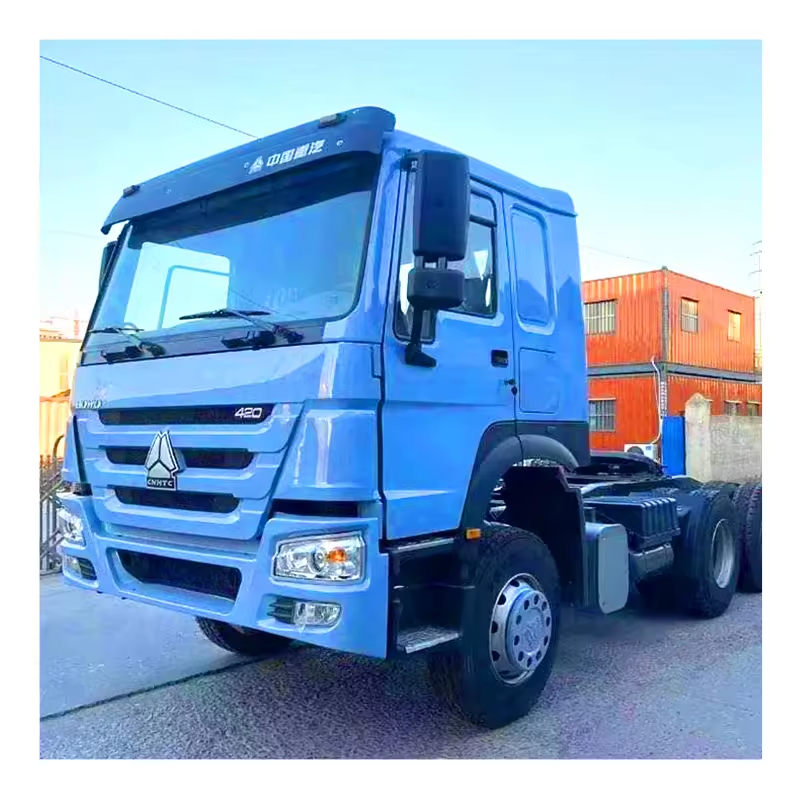
Маторно уље служи као жива крв било ког камиона за тектило, што захтева строго поштовање интервала за промену које је навео произвођач како би се спречило скупо оштећење мотора. Трговски оператери треба да спроведу програме анализе уља који прате нивои контаминације, раздвајање вискозитета и исцрпљење адитива како би оптимизовали фреквенције промене на основу стварних услова рада. Висококвалитетна синтетичка или полусинтетичка уља пружају врхунску заштиту под екстремним температурама и условима великог оптерећења типичним за комерцијалне примене за превоз.
Управници флот мора да успоставе стандардизоване процедуре за верификацију квалитета уља, осигурајући да сви мастила испуњавају или прелазе ОЕМ спецификације за њихове специфичне моделе камиона за тетрачке главе. Документирање промена уља, укључујући километар, датум и врсту уља који је коришћен, ствара вредне записи о одржавању који подржавају гаранције и помажу у идентификовању потенцијалних проблема са мотором пре него што постану критични неуспјех. Редовно замењивање филтера уља током сваке промене уља спречава наткупљање контаминације и осигурава оптималну перформансу филтрације током интервала сервиса.
Чисти системи уноса ваздуха директно утичу на перформансе мотора, ефикасност горива и дуговечност компоненти у апликацијама камиона за дрво са главом где су прашни услови путева уобичајени. Примарни и секундарни филтери ваздуха захтевају редовно прегледање и замену у зависности од тежине оперативног окружења, са чешћем променама потребним за возила која раде у грађевинским зонама или непокривеним подручјима. Правилно одржавање филтера ваздуха спречава прерано зношење мотора узроковано абразивним честицама које улазе у комору за сагоревање.
Напређени системи филтрације ваздуха у модерним конструкцијама камиона са главом трактора укључују индикаторе ограничења који упозоравају операторе када је потребно замењавање филтера. Ови системи за праћење помажу да се спречи прерана замена филтера која троши ресурсе и кашњења замену која угрожава заштиту мотора. Програм одржавања флоте треба да укључује проверу стања филтера ваздуха током рутинских инспекција како би се идентификовали потенцијални проблеми са системом уноса пре него што утичу на перформансе возила.
Правилно одржавање трансмисије осигурава глатке промене брзина, оптималан пренос снаге и продужен живот компоненте у комерцијалним операцијама камиона за главу трактора. Аутоматски преноси захтевају специфичне врсте течности и интервали за промену на основу радних услова, а тешки дужност циклуси захтевају чешће сервисирање како би се спречило прегревање и оштећење унутрашњих компоненти. Ручни преноси такође имају користи од редовних промена течности које уклањају контаминацију и враћају одговарајуће својства масти.
Контрола температуре игра кључну улогу у дуговечности трансмисије, јер прекомерна топлота разбија трансмисијску течност и убрзава зношење компоненти у апликацијама за камионе са лопатом за трактори. Уградња помоћних хладника за преноси у возила која раде под великим оптерећењем помаже одржавању оптималних оперативних температура и продужава трајање трајања течности. Редовни провјера нивоа течности спречавају оштећење узроковано условима ниске течности које се могу појавити због малих пропуста или нормалне потрошње током продуженог рада.
Возне оске и диференцијали у конфигурацијама камиона са течаном главе имају значајан стрес од тешких оптерећења и честих почетака и заустављања у комерцијалним операцијама. Редовни мењачи уља за зубришта уклањају металне честице и контаминацију док враћају одговарајућу вискозитет за оптималну заштиту компоненте. Синтетичка масла за зубрежје пружају бољу заштиту под екстремним условима притиска и продуженим интервалима одвођења у поређењу са конвенционалним мастилима на минералној бази.
Инспекција запљуњавања осије спречава скупи губитак уља у зубама који може довести до неуспеха диференцијала и скупих поправки у traktorski glavni kamion апликације. Визуелна инспекција током рутинског одржавања рано идентификује пропуст запечатине, омогућавајући превентивну замену пре него што унутрашње компоненте претрпе оштећење од неадекватне мазивања. Добра спецификација окретача за компоненте осије спречава прерано зношење и осигурава поуздани пренос снаге широм система погонског система.
Комерцијални системи за кочнице за тетрачке камионе захтевају свеобухватно одржавање како би се осигурала сигурна снага заустављања у условима тешких оптерећења типичних за превоз терета. Свакодневно пре путовања инспекције треба да укључују испитивање притиска ваздуха, испитивање кочнице за кочнице и проверу регулисача за отпуштање како би се идентификовали потенцијални проблеми пре него што угрозе безбедност возила. Правилно време и подешавање кочнице спречавају прерано зношење облоге и обезбеђују уравнотежену кочницу на свим положајима точкова.
Уређење сушилаца ваздуха уклања влагу и контаминације из система кочница, спречавајући замрзнуте ваздушне линије и оштећење корозијом током рада у хладном времену. Редовна замена патрона за сушење ваздуха и сервис одводних вентила одржавају интегритет система и спречавају скупе неуспјехе компоненти. Компоненте кочничких система у апликацијама за камионе са лопатом за тетрање захтевају специјализована знања и одговарајуће алате за безбедне и ефикасне процедуре одржавања.
Мониторинг дебелине кочнице кочнице спречава оштећење бубња и ротора, истовремено обезбеђујући доследну перформансу заустављања у операцијама комерцијалних трактора. Успостављање распореда замене на основу километара, фактора оптерећења и услова рада оптимизује живот компоненте и спречава неочекиване неуспехе током критичних операција. Квалитетне кочнице дизајниране за тешке примене пружају супериорне перформансе и дужи животни век у поређењу са стандардним заменским деловима.
Инспекција барабана и ротора кочнице идентификује топлотне оштећење, пукотине или прекомерно зношење које захтева обраду или замену како би се одржала сигурна кочница. Правилни процедури инсталације и спецификације окретача обезбеђују поуздано монтаже компоненти и спречавају прерано неуспех у захтевним комерцијалним апликацијама. Документација активности одржавања кочница подржава усаглашеност са регулативама и пружа вредне податке за процес доношења одлука у управљању флотом.
Ефикасност система хлађења директно утиче на перформансе мотора и дуговечност у апликацијама камиона за лопту тетрара, где трајно функционисање велике снаге ствара значајна топлотна оптерећења. Редовно чишћење радијатора уклања остатке, инсекте и загађење пута које ограничава проток ваздуха и смањује капацитет хлађења. Изванско чишћење компресираним ваздухом или прањем под притиском одржава оптимални пренос топлоте, док унутрашње пропирање система уклања шкалице и отлоге корозије.
Управљање квалитетом хладилова укључује редовно тестирање заштите од замрзавања, нивоа инхибитора корозије и контаминације како би се спречило оштећење унутрашњег мотора. Хладни материји са продуженом трајаношћу живота пружају дужи интервали сервиса и бољу заштиту у поређењу са конвенционалним антифризним формулацијама у комерцијалним апликацијама за камионе са лопатом за трактори. Прави суотношения мешања хладилова обезбеђују оптимална својства преноса топлоте и спречавају оштећење компоненти због неправилне хемијске равнотеже.
У операцијама камиона са лопатом за терет треба редовно да се проверавају да би се осигурало правилно укључивање и искључивање у различитим условима оптерећења. Вискозни клицки или електронска управљања вентилатором морају правилно функционисати како би се спречило прегревање мотора током рада на ниским брзинама или у условима екстремне температуре окружења. Инспекција лопате вентилатора идентификује оштећење или неравнотежу која може изазвати вибрације и неуспех компоненте.
Напетост и стање вожњег појаса утичу на перформансе система хлађења, пуњење алтернатора и рад серверног управљања у прилозима комерцијалних возила. Правилно напетост појаса спречава клиз који смањује ефикасност хлађења док спречава прекомерно напетост која узрокује зношење лежаја и прерано оштећење компоненте. Редовна замена појаса пре повреде спречава повреде на путу и потенцијалне оштећења мотора због неисправности система хлађења.
Успостављање свеобухватних распореда одржавања заснованих на интервалима километара осигурава систематску негу свих компоненти камиона за држење тетрара, истовремено минимизирајући неочекиване неуспјехе и време простора. Различити системи захтевају различите фреквенције сервиса, са променама уља мотора које се дешавају чешће од трансмисије или диференцијалних услуга у типичним комерцијалним операцијама. Компјутеризовани системи за управљање одржавањем помажу да се прате датови сервиса и интервали за замену компоненти широм читаве флоте.
У условима тешке операције може бити потребно скраћивање интервала сервиса како би се одржале оптималне перформансе возила и поузданост у захтевним комерцијалним апликацијама. Фактори као што су често заустављање и покретање, екстремне температуре или прашно околине убрзавају зношење компоненти и захтевају агресивније распореде одржавања. Оператори флоте треба да прилагоде интервале одржавања на основу стварних услова рада, а не да се ослањају само на стандардне препоруке.
Савремени дизајн камиона са лопатима за тетрање укључује напредне системе за праћење који пружају податке у реалном времену о стању компоненти и параметрима перформанси. Системи за управљање мотором прате оперативне температуре, притиске и показатеље перформанси који указују на потенцијалне потребе за одржавањем пре него што се појави неуспех компоненте. Телематички системи преносе дијагностичке информације центрима за управљање флотом за удаљено праћење и предвиђање распореда одржавања.
Програм анализе уља пружа детаљне информације о стању мотора, нивоима контаминације и стопи зноја компоненти које воде одлуке о одржавању у комерцијалним флотама тракторских камиона. Редовно узимање узорка и лабораторијска анализа рано идентификују проблеме који се развијају, што омогућава планирано одржавање, а не хитне поправке. Ови програми се посебно могу користити за возила са великим километарским растојањем, где се стање компоненти значајно разликује од стандардних распореда замене.
Стратешко снабдевање деловима уравнотежава штедњу трошкова са захтевима квалитета за операције одржавања камиона за држење тетрача. Произвођач оригиналне опреме производи компоненте које пружају гарантују компатибилност и гаранцију, али могу имати префимне цене у поређењу са алтернативама на постмаркету. Квалитетне компоненте за послепродају могу пружити значајну уштеду трошкова, а истовремено одржавати прихватљиве стандарде перформанси за некритичне апликације.
Системи управљања залихама оптимизују доступност делова док минимизирају трошкове превоза за операције одржавања флоте. Уредби за испоруку у право време са добављачима смањују инвестиције у залихе, а истовремено обезбеђују да критичне компоненте остану доступне за хитне поправке. Стандардизација модела камиона за тектиле у свим флотама поједностављава инвентар делова и смањује укупне трошкове одржавања кроз економију скале.
Обука особља за одржавање у одговарајућим процедурама и дијагностичким техникама побољшава квалитет поправке док смањује временско време потребно за рутинске услуге. Специјализовани алати и опрема омогућавају ефикасније процедуре одржавања и смањују ризик од оштећења компоненти током сервисних операција. Успостављање стандардних радних процедура осигурава доследан квалитет одржавања без обзира на то који техничар обавља рад.
Профилактички програми одржавања смањују укупне трошкове рада тако што спречавају велике грешке које захтевају дуго време за поправку и замену компоненти. Планирано одржавање у време ван пик времена максимизује доступност возила у периодима велике потражње, истовремено обезбеђујући довољно времена за темељне инспекције и сервисне процедуре. Системи документације прате ефикасност одржавања и идентификују могућности за побољшање процеса у операцијама сервиса камиона за тетрачке главе.
Најкритичнији елементи одржавања за поузданост камиона са ловцем трактора укључују редовну промену моторног уља, замену ваздушног филтера, инспекцију система кочница, одржавање система хлађења и сервис преноса. Ове компоненте директно утичу на безбедност возила, перформансе и оперативне трошкове када се не одржавају правилно. Успостављање доследних распореда одржавања ових критичних система спречава скупе неуспехе и осигурава поуздано комерцијално функционисање.
Интервали за промену течности за преносни систем за примене на камионима са лопатом за тетрање обично се крећу од 50.000 до 150.000 миља у зависности од услова рада и врсте преноса. Тешки циклуси рада, укључујући честа операција са стопом и покретањем, тешка оптерећења или екстремне температуре, захтевају чешће интервале сервиса. Редовна анализа течности може помоћи у одређивању оптималних интервала за промену на основу стварних нивоа контаминације и исцрпљења адитива, а не само на основу препорука за километарско растојање.
Упозоришни знаци проблема са кочницом у операцијама камиона са течаном течачањем су губитак притиска ваздуха, необичне буке током кочења, повећана удаљеност заустављања, бледење педале кочнице и видљиви цурења ваздуха око кочница кочнице. Возачи треба одмах да пријаве било какво необично понашање кочија, а особље за одржавање треба да проведе темељне инспекције како би идентификовало и исправило проблеме пре него што угрозе безбедност возила. Редовни преглед кочница спречава да се мали проблеми прерасте у велике опасности за безбедност.
Оператори флоте могу смањити трошкове одржавања камиона за држење тетрара кроз програме превентивног одржавања, куповину букмених делова, стандардизоване спецификације возила, програме обуке возача и системе за праћење на основу стања. Инвестирање у праксу одржавања квалитета смањује хитне поправке, продужава живот компоненти и побољшава укупну поузданост флоте. Редовна анализа трошкова одржавања помаже у идентификовању могућности за побољшање процеса и смањење трошкова, а истовремено одржавање стандарда безбедности и перформанси.
Copyright © 2026 Схандонг ТрикЛинк Експортерс Цо., Лтд.Сва права задржана.
 EN
EN
 AR
AR
 BG
BG
 HR
HR
 CS
CS
 DA
DA
 NL
NL
 FI
FI
 FR
FR
 DE
DE
 EL
EL
 HI
HI
 JA
JA
 KO
KO
 PL
PL
 PT
PT
 RO
RO
 RU
RU
 ES
ES
 TL
TL
 ID
ID
 SR
SR
 UK
UK
 VI
VI
 SQ
SQ
 TH
TH
 TR
TR
 AF
AF
 MS
MS
 HY
HY
 AZ
AZ
 KA
KA
 BN
BN
 LO
LO
 LA
LA
 MN
MN
 MY
MY
 KK
KK
 UZ
UZ
 KY
KY