
Purchasing cargo trucks in bulk represents a significant capital investment for logistics companies, fleet operators, and transportation businesses. Ensuring cargo truck quality before committing to large-scale procurement is not merely a due diligence step—it is a strategic imperative that directly impacts operational efficiency, maintenance costs, driver safety, and long-term profitability. Buyers who fail to thoroughly assess cargo truck quality risk inheriting fleets plagued by mechanical failures, excessive downtime, and regulatory non-compliance. This article provides a comprehensive framework for buyers to systematically evaluate cargo truck quality during the pre-purchase phase, covering technical inspection protocols, supplier verification methods, documentation review processes, and field testing procedures that mitigate procurement risk.
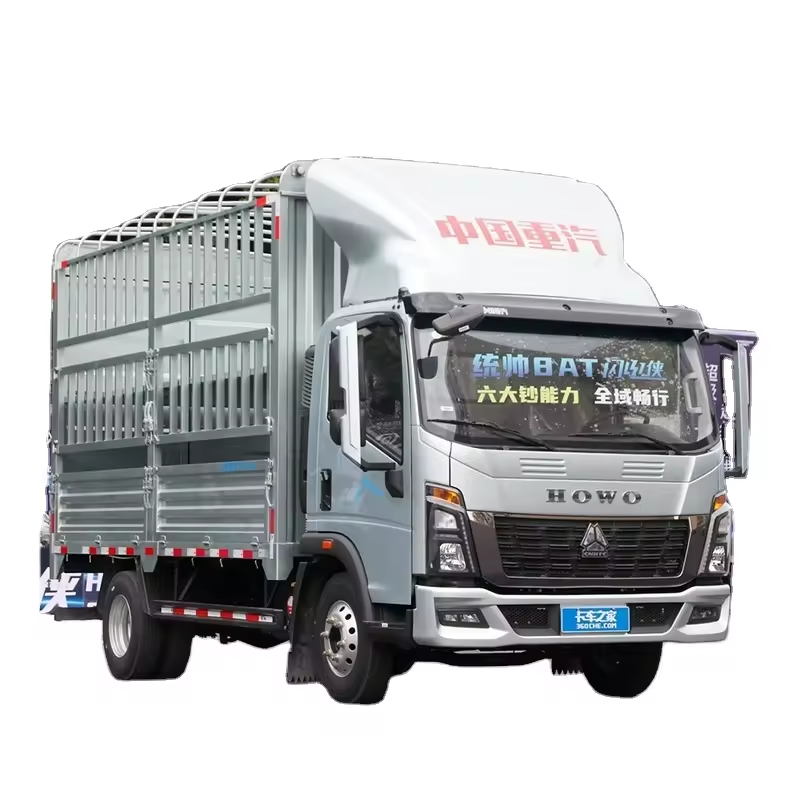
The complexity of bulk cargo truck procurement demands a multi-layered verification approach that goes beyond superficial inspections. Professional buyers must integrate engineering assessments, compliance audits, supplier capability reviews, and performance benchmarking into their quality assurance workflows. The stakes are particularly high in bulk purchases where the multiplication of any quality defect across dozens or hundreds of units translates into exponential operational disruption and financial loss. Understanding how to structure pre-purchase quality verification processes empowers buyers to negotiate from positions of informed confidence, establish clear acceptance criteria, and build supplier accountability into contractual frameworks. The methodologies outlined here draw from industrial procurement best practices, automotive engineering standards, and real-world fleet management experience.
The foundation of cargo truck quality begins with the structural integrity of the chassis and frame assembly. Buyers must verify that the chassis design meets the intended payload specifications without compromising safety margins. This involves examining the grade and thickness of steel used in frame construction, the quality of welding at stress points, and the corrosion protection treatments applied during manufacturing. High-quality cargo trucks feature reinforced cross-members, properly engineered mounting points for body attachments, and appropriate dimensional tolerances that prevent premature fatigue cracking. Buyers should request detailed material specifications and compare them against industry standards for the vehicle's gross vehicle weight rating category.
Chassis evaluation extends to suspension system design and component quality. The suspension must be appropriately rated for the anticipated load conditions while providing adequate durability for the operational terrain. Leaf spring assemblies should exhibit uniform temper, proper arc geometry, and secure mounting hardware. For vehicles equipped with air suspension, buyers need to assess compressor capacity, air tank integrity, and valve quality. The axle assemblies deserve particular scrutiny—differential housing should show no casting flaws, axle shafts must meet specified hardness ratings, and wheel hub assemblies should operate without excessive play. Documenting these structural characteristics establishes baseline quality expectations for the entire fleet.
Engine and transmission quality directly determines operational cost profiles over the vehicle's service life. Buyers evaluating cargo truck quality must obtain comprehensive engine specifications including displacement, power output curves, torque characteristics, and fuel consumption ratings under standardized test conditions. The engine block and cylinder head should be inspected for proper machining tolerances, and buyers should verify that all emission control systems meet applicable regulatory standards. Quality engines feature robust cooling systems with adequately sized radiators, quality thermostats, and properly routed coolant passages that prevent hotspot formation.
Transmission assessment requires understanding the intended duty cycle and matching it to appropriate gear ratios and clutch specifications. Manual transmissions should shift smoothly through all gears without excessive effort or grinding, while automated manual transmissions require evaluation of actuator responsiveness and electronic control unit programming quality. The driveline components—including the propeller shaft, universal joints, and differential—must exhibit proper balance, secure fastening, and adequate lubrication pathways. Buyers should request dynamometer test reports demonstrating powertrain performance under load conditions that simulate actual operational scenarios. These technical evaluations distinguish genuinely robust cargo truck quality from superficial cosmetic appeal.
Modern cargo trucks incorporate increasingly sophisticated electrical systems that govern everything from engine management to lighting and safety features. Quality assessment must include verification of electrical harness routing, connection quality, and circuit protection devices. Wiring harnesses should be properly bundled, secured away from heat sources and moving components, and protected against moisture intrusion. All electrical connectors must be of automotive-grade specification with proper sealing and locking mechanisms. The battery mounting system should provide secure retention while allowing adequate ventilation and maintenance access.
The vehicle's control architecture—particularly the engine control unit, transmission control module, and any integrated telematics systems—represents a critical quality dimension for fleet management. Buyers should verify that diagnostic interfaces comply with standard protocols, enabling compatibility with fleet management software and third-party diagnostic tools. The quality of sensors throughout the vehicle, including those monitoring oil pressure, coolant temperature, air pressure, and emissions systems, directly affects maintenance predictability and operational reliability. Electrical system documentation should include complete wiring diagrams and component specifications that facilitate future troubleshooting and repair activities.
Serious bulk buyers enhance cargo truck quality assurance by conducting factory audits at the manufacturing facility. These site visits reveal production capabilities, quality control processes, and manufacturing consistency that paper documentation cannot adequately convey. During factory audits, buyers should observe assembly line practices, material handling procedures, and in-process quality checkpoints. Quality-focused manufacturers maintain organized production environments with clear workflow sequences, proper tooling calibration programs, and systematic inspection stations at critical assembly stages.
The factory audit should specifically examine component sourcing practices and supplier quality management. Buyers need to understand whether major components like engines, transmissions, and axles come from established tier-one suppliers or are manufactured in-house under what quality standards. Verification of ISO certifications, quality management system documentation, and traceability procedures provides insight into organizational commitment to consistent cargo truck quality. Buyers should request to see quality records from recent production runs, including defect rates, rework statistics, and customer complaint trends. Manufacturers confident in their quality standards typically welcome such transparency and provide comprehensive documentation supporting their quality claims.
No bulk purchase should proceed without thorough testing of representative sample vehicles under conditions that simulate actual operational requirements. Comprehensive test protocols should include loaded driving tests over various road surfaces, extended highway operation to assess fuel consumption and engine temperature stability, and repeated start-stop cycles that stress transmission and brake systems. These field tests reveal cargo truck quality characteristics that static inspections cannot detect, including ride quality, noise levels, ergonomic issues, and component durability under dynamic loading.
Performance validation extends to instrumented testing that measures specific parameters against manufacturer specifications. This includes brake effectiveness testing with calibrated equipment, engine power verification on chassis dynamometers, and fuel consumption measurement under controlled conditions. Buyers should also conduct cold-start testing to evaluate battery capacity and starter motor robustness, particularly important for operations in temperature-extreme environments. The sample testing phase provides an opportunity to identify design weaknesses or manufacturing defects before they multiply across an entire fleet. Documenting test results establishes objective acceptance criteria that can be contractually enforced across all delivered vehicles.
Engaging independent inspection agencies adds professional objectivity to cargo truck quality verification processes. Third-party inspectors bring specialized expertise, calibrated measurement equipment, and impartial assessment perspectives that internal buyer teams may lack. These services typically include dimensional verification, material testing, functional performance checks, and compliance audits against specified standards. For international bulk purchases, third-party inspection becomes particularly valuable in bridging geographic distances and navigating unfamiliar regulatory environments.
Quality certification from recognized automotive testing organizations provides additional assurance and can serve as evidence of due diligence in the event of future disputes. Buyers should specify the inspection scope, acceptance criteria, and reporting requirements in advance, ensuring that inspectors focus on quality dimensions most critical to the intended application. The inspection report should document not only pass-fail determinations but also marginal conditions and observations that might warrant attention. This independent validation strengthens the buyer's negotiating position and creates documented accountability that protects both parties' interests throughout the transaction.
Cargo truck quality assessment cannot be separated from supplier credibility evaluation. Buyers must investigate the manufacturer's history, including years in operation, production volumes, market presence, and customer satisfaction trends. Established manufacturers with substantial market share typically maintain more consistent quality standards due to refined production processes and stronger supplier relationships. Buyers should seek references from existing customers operating similar fleet sizes and applications, specifically inquiring about long-term reliability, parts availability, and warranty claim responsiveness.
Market reputation research should include investigation of any recall histories, regulatory actions, or significant quality controversies. While no manufacturer maintains a perfect record, the pattern and resolution of past issues reveal organizational attitudes toward quality and customer responsibility. Industry associations, trade publications, and fleet management forums often provide insights into manufacturer reputations that marketing materials deliberately obscure. Buyers should also assess the financial stability of the supplier, as companies facing financial distress may compromise quality through cost-cutting measures or may lack resources to honor warranty commitments over the vehicle's anticipated service life.
The practical manifestation of cargo truck quality extends well beyond initial delivery into the realm of after-sales support and parts availability. Buyers must evaluate whether the supplier maintains an adequate service network within the operational territory, including authorized service centers, trained technicians, and genuine parts distribution channels. The geographic density and capability of service points directly affects vehicle uptime when maintenance or repairs become necessary. Suppliers demonstrating commitment to after-sales support typically invest in technician training programs, diagnostic equipment distribution, and technical documentation accessibility.
Parts availability verification should include assessment of inventory stocking policies for wear items, critical components, and specialized parts unique to specific vehicle models. Buyers should request information about typical lead times for common replacement parts and the supplier's policy regarding obsolete part support. Quality-focused suppliers maintain parts availability for extended periods beyond production cessation, recognizing that fleet operators expect ten to fifteen years of supported operation. The comprehensiveness of parts catalogs, clarity of parts identification systems, and responsiveness of ordering processes all contribute to the total cost of ownership equation that sophisticated buyers factor into their cargo truck quality evaluation.
Warranty terms serve as a supplier's confidence statement regarding cargo truck quality and reliability. Buyers should carefully analyze warranty coverage scope, duration, mileage limitations, and exclusion clauses. Comprehensive warranties covering major powertrain components, structural elements, and electrical systems for substantial periods indicate manufacturer confidence in build quality. However, warranty value depends equally on claim resolution effectiveness—a generous warranty means little if the claim process involves excessive documentation, unreasonable denial rates, or protracted resolution timelines.
Buyers should investigate warranty claim procedures by speaking with existing customers about their experiences. Key questions include average claim approval times, parts replacement versus repair policies, and whether warranty service can be performed by independent mechanics or requires authorized service centers. For bulk purchases, negotiating warranty enhancements—such as extended coverage periods, expanded component inclusion, or dedicated claim support channels—becomes feasible and advisable. The warranty agreement should explicitly address quality defect scenarios discovered after delivery, including provisions for vehicle replacement or fleet-wide rectification if systematic manufacturing defects emerge. These contractual protections transform warranty coverage from marketing language into enforceable quality assurance mechanisms.
Protecting cargo truck quality in bulk purchases requires translating inspection findings and performance expectations into precise contractual language. The purchase agreement must reference detailed technical specifications covering all critical vehicle systems, including exact component brands for major assemblies, material grades for structural elements, and performance parameters with measurable acceptance criteria. Vague specifications like industry-standard or equivalent to create enforcement ambiguity that undermines quality assurance efforts. Instead, buyers should specify dimensional tolerances, material certifications, and performance test protocols that delivered vehicles must satisfy.
Documentation requirements should obligate the supplier to provide comprehensive vehicle information including chassis numbers, engine serial numbers, manufacturing dates, and certificates of conformity for applicable regulatory standards. Quality-conscious buyers also require disclosure of component sourcing, particularly for safety-critical items like brake systems, steering components, and structural fasteners. The contract should establish that supplier-provided specifications become binding warranty representations, creating legal recourse if delivered vehicles fail to meet documented standards. This contractual framework transforms quality expectations from subjective judgments into objectively verifiable commitments enforceable through dispute resolution mechanisms.
Risk management in bulk cargo truck purchases benefits from staged delivery schedules that allow quality verification before committing to the full order quantity. Rather than accepting all vehicles simultaneously, buyers should negotiate delivery in tranches with defined acceptance gates between stages. The initial delivery batch undergoes intensive inspection and field testing, with subsequent deliveries contingent on satisfactory performance of earlier units. This approach identifies systemic quality issues early when remediation remains manageable and prevents the catastrophic scenario of discovering defects across hundreds of already-delivered vehicles.
Incremental acceptance protocols establish clear criteria that each delivery batch must satisfy before payment release and before subsequent production authorization. These criteria should include dimensional verification sampling, functional testing of specified systems, documentation completeness checks, and confirmation that vehicles match the approved specifications. The contract should specify the inspection timeframe, the statistical sampling methodology for batch acceptance, and the remediation procedures if vehicles fail acceptance criteria. Staged delivery combined with rigorous acceptance protocols aligns supplier incentives toward consistent cargo truck quality throughout the entire order fulfillment period, rather than allowing quality degradation in later production runs.
Despite thorough pre-purchase verification, quality issues may emerge during delivery or early operation. The purchase contract must establish clear remediation obligations and penalty provisions that motivate supplier attentiveness to cargo truck quality. Remediation clauses should specify whether defects require repair, component replacement, or vehicle replacement depending on severity and whether the defect affects safety, performance, or cosmetics. The contract should obligate the supplier to address identified defects within defined timeframes, with escalating penalties for delayed resolution that compensate the buyer for operational disruption.
Penalty provisions serve dual purposes—they create financial consequences for quality failures and provide compensation mechanisms when buyers suffer losses due to defective vehicles. Effective penalty structures tie consequences to quality impact severity, with minor cosmetic issues attracting modest penalties while safety-critical defects or systematic failures trigger substantial financial remedies including potential order cancellation rights. The contract should also address latent defect scenarios where quality problems emerge after initial acceptance, extending supplier responsibility beyond superficial delivery inspection. These contractual quality protections transform the supplier relationship from caveat emptor to shared accountability, fundamentally improving cargo truck quality outcomes for bulk purchasers.
Modern technology enhances cargo truck quality verification through digital inspection applications that standardize assessment procedures and create comprehensive documentation trails. Tablet-based inspection software guides inspectors through systematic checklists, captures photographs of critical components, records measurements with digital precision, and generates timestamped reports that establish verifiable quality records. These systems eliminate the inconsistency and incompleteness that plague paper-based inspection processes while creating searchable databases that facilitate trend analysis across multiple vehicles and delivery batches.
Digital documentation extends to supplier-provided information including maintenance manuals, parts catalogs, wiring diagrams, and service bulletins. Buyers should require that all technical documentation be delivered in searchable digital formats with version control, enabling fleet maintenance personnel to access current information efficiently. Advanced buyers implement document management systems that link vehicle identification numbers to complete quality records, inspection reports, warranty claims, and service histories. This integrated information architecture supports data-driven quality management and provides evidence for warranty claims or contractual disputes. The investment in digital quality verification tools pays dividends through improved inspection consistency, reduced documentation labor, and enhanced analytical capability.
Buyers operating existing fleets can leverage historical performance data to inform cargo truck quality expectations for new purchases. Analyzing maintenance records, failure patterns, and total cost of ownership from current vehicles reveals which components or systems deserve particular scrutiny during pre-purchase inspections. Predictive analytics identify correlations between specific quality characteristics and long-term reliability, enabling buyers to prioritize inspection resources on the highest-risk quality dimensions. This data-driven approach transforms quality verification from generic checklists to risk-prioritized assessments tailored to actual operational experience.
For newly purchased vehicles, implementing telematics and condition monitoring systems from day one establishes baseline performance data and enables early detection of quality issues before they cause operational failures. Modern telematics platforms capture engine performance parameters, fuel consumption patterns, driver behavior impacts, and maintenance alert triggers that collectively paint comprehensive pictures of vehicle health and quality. Comparing performance data across a newly delivered fleet quickly identifies outlier vehicles that may harbor quality defects requiring supplier attention. This continuous quality monitoring extends the verification process beyond initial acceptance into ongoing validation throughout the warranty period, ensuring that cargo truck quality commitments translate into sustained operational performance.
The most sophisticated buyers view cargo truck quality not as an adversarial inspection battle but as an opportunity for collaborative improvement with suppliers committed to excellence. Sharing operational performance data, failure analysis findings, and customer feedback with suppliers creates information loops that drive manufacturing process improvements benefiting both parties. Suppliers gain insights into real-world performance that laboratory testing cannot replicate, while buyers benefit from quality enhancements implemented in future production runs. This collaborative approach requires transparency, trust, and mutual commitment to continuous improvement rather than blame assignment.
Formal supplier development programs establish joint quality improvement objectives, regular performance review meetings, and shared investment in quality enhancement initiatives. Buyers might provide field testing support for prototype improvements, while suppliers offer enhanced warranty terms or preferential pricing for components proven through collaborative development. These partnerships particularly benefit buyers making repetitive bulk purchases across multiple years, as the cumulative quality improvements compound into substantial total cost of ownership reductions. Technology platforms facilitating secure data sharing, collaborative problem-solving, and transparent performance tracking enable these advanced supplier relationships that transcend traditional transactional procurement models.
The most critical systems for cargo truck quality evaluation include the chassis and frame structure, powertrain components including engine and transmission, brake systems, suspension assemblies, and electrical architecture. The chassis must exhibit proper steel grade, welding quality, and corrosion protection. The powertrain should be verified for performance specifications, emission compliance, and component durability through dynamometer testing. Brake systems require inspection of component quality, hydraulic or pneumatic circuit integrity, and performance testing under load. Suspension components need verification of proper rating for intended payloads and terrain. Electrical systems must show quality harness construction, proper circuit protection, and reliable control module programming. These systems directly affect safety, reliability, and operational costs, making them priority focus areas for quality verification before committing to bulk purchases.
International bulk purchases require enhanced verification methods including third-party inspection services, factory audits, independent performance testing, and reference customer interviews. Buyers should engage recognized inspection agencies to conduct pre-shipment inspections verifying that vehicles meet contracted specifications. Factory audits allow direct observation of manufacturing processes, quality control systems, and component sourcing practices. Arranging for independent performance testing at certified facilities provides objective validation of supplier performance claims. Contacting existing customers in similar markets offers practical insights into long-term reliability and after-sales support quality. Additionally, buyers should verify regulatory compliance certifications from recognized authorities and investigate supplier reputation through industry associations and trade organizations. For high-value bulk orders, commissioning engineering consultants to review technical documentation and conduct detailed technical assessments provides professional expertise that mitigates the inherent risks of international procurement.
Sample testing serves as essential validation that bridges the gap between supplier specifications and actual vehicle performance under real-world conditions. Before authorizing full bulk order production, buyers should thoroughly test representative sample vehicles through comprehensive protocols including loaded driving tests, extended highway operation, repeated start-stop cycles, and instrumented measurement of key performance parameters. Sample testing reveals quality characteristics invisible in static inspections, including ride comfort, noise levels, driver ergonomics, fuel consumption accuracy, and component durability under dynamic loading. The sample testing phase should include extended evaluation periods allowing time for early-life failures to manifest and for operational personnel to assess practical suitability. Results from sample testing establish objective acceptance criteria that can be contractually enforced across all delivered vehicles and identify any design or manufacturing issues requiring correction before bulk production proceeds. This investment in thorough sample evaluation prevents the costly scenario of discovering quality deficiencies after accepting hundreds of vehicles.
Effective warranty structuring for bulk cargo truck purchases requires comprehensive coverage scope, reasonable duration aligned with expected service life, clear claim procedures with defined resolution timelines, and explicit remediation hierarchies for various defect severities. The warranty should cover all major systems including powertrain, chassis, electrical systems, and safety components for substantial periods reflecting typical commercial vehicle durability expectations. Coverage terms must clearly define what constitutes warrantable defects versus normal wear, maintenance responsibilities, and usage limitations. The claim process should specify documentation requirements, approval timelines, and whether repairs can be performed by independent facilities or require authorized service centers. For bulk purchases, buyers should negotiate enhanced warranties including extended coverage periods, expanded component inclusion, fleet-wide rectification provisions if systematic defects emerge, and dedicated support channels ensuring priority claim handling. The warranty agreement should explicitly address quality defect scenarios discovered post-delivery and establish penalty provisions for delayed defect resolution that compensate buyers for operational disruption and lost revenue.
Copyright © 2026 Shandong TruckLink Exporters Co.,Ltd.All rights reserved.
 EN
EN
 AR
AR
 BG
BG
 HR
HR
 CS
CS
 DA
DA
 NL
NL
 FI
FI
 FR
FR
 DE
DE
 EL
EL
 HI
HI
 JA
JA
 KO
KO
 PL
PL
 PT
PT
 RO
RO
 RU
RU
 ES
ES
 TL
TL
 ID
ID
 SR
SR
 UK
UK
 VI
VI
 SQ
SQ
 TH
TH
 TR
TR
 AF
AF
 MS
MS
 HY
HY
 AZ
AZ
 KA
KA
 BN
BN
 LO
LO
 LA
LA
 MN
MN
 MY
MY
 KK
KK
 UZ
UZ
 KY
KY