
ကုန်စည်သယ်ယူရေး အဖွဲ့စည်းမှုများနှင့် တည်ဆောက်ရေးကုမ္ပဏီများသည် စွမ်းဆောင်ရည်အကဲဖြတ်မှုများ မလုပ်ဆောင်ဘဲ အလေးချန်မော်တော်ယာဉ်များကို အများအပြားဝယ်ယူခြင်းဖြင့် အရေးကြီးသော ငွေကြေးဆိုင်ရာ အန္တရာယ်များကို ရင်ဆိုင်ရပါသည်။ သန်းနှစ်ခုခန့် ရင်းနှီးမှုအဖြစ် ရှုမ်းမှုရှိသော အများအပြားဝယ်ယူမှုများကို ဆောင်ရွက်ရာတွင် ရှုံးမော်တော်ယာဉ်များ၏ စွမ်းဆောင်ရည် အထူးသမ္မာဏ်များကို နားလည်ရန်မှုအရေးကြီးပါသည်။ အကြာရှည်တွင် အမြတ်အစွန်းရရှိမှုနှင့် လုပ်ငန်းဆောင်ရွက်မှုအောင်မွန်မှုကို သေချာစေရန်အတွက် အင်ဂျင်အသေးစိတ်အချက်အလက်များ၊ ပစ္စည်းတင်နိုင်မှုစွမ်းရည်၊ လောင်စာခွဲခြမ်းစိတ်ဖြာမှုနှင့် လုပ်ငန်းဆောင်ရွက်မှု ယုံကြည်စိတ်ချရမှုတို့ကို စနစ်တကျ အကဲဖြတ်ရန် လိုအပ်ပါသည်။
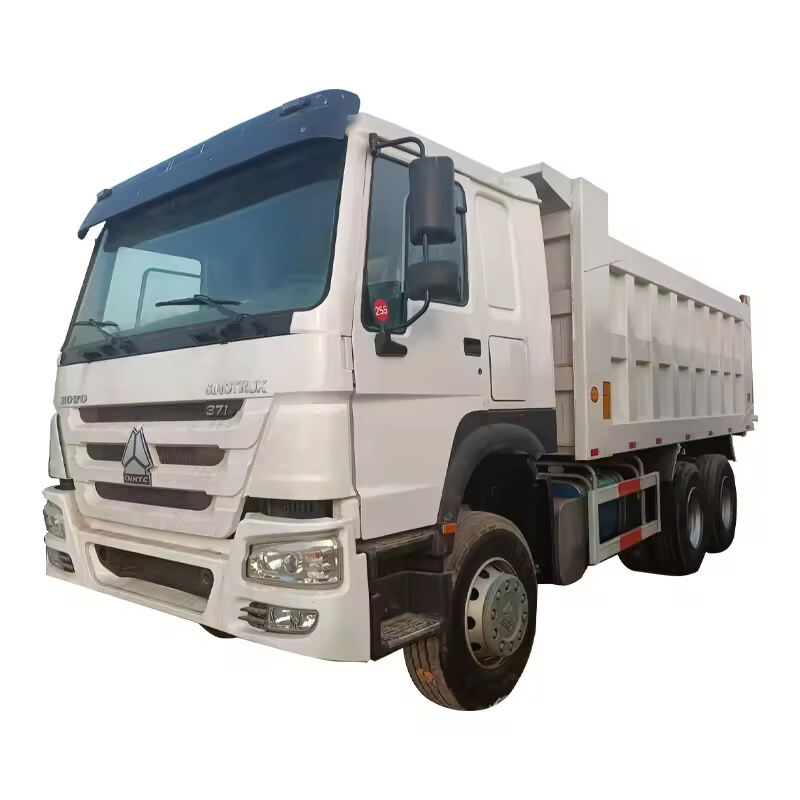
ခေတ်မီ အမှိုက်သယ်ကားများ လုပ်ငန်းဆောင်တာများ၏ ထိရောက်မှုနှင့် ပိုင်ဆိုင်မှုစုစုပေါင်းစုစုပေါင်းစုစုပေါင်းစုစုပေါင်းစုစုပေါင်းစုစုပေါင်းစုစုပေါင်းစုစုပေါင်းစုစုပေါင်းစုစုပေါင်းစုစုပေါင်းစုစုပေါင်းစုစုပေါင်းစုစုပေါင်းစုစုပေါင်းစုစုပေါင်းစုစုပေါင်းစုစုပေါင်းစုစုပေါင်းစုစုပေါင်းစုစုပေါင်းစုစုပေါင်းစုစုပေါင်းစုစုပေါင်းစုစုပေါင်းစုစုပေါင်းစုစုပေါင်းစုစုပေါင်းစုစုပေါင်းစုစုပေါင်းစုစုပေါင်းစုစုပေါင်း......
အင်ဂျင်အား (horsepower) သည် မတူညီသောလုပ်ဆောင်မှုအခြေအနေများတွင် ဒမ့်ပ်ထရပ်ကား၏ စွမ်းဆောင်ရည်ကို အဓိကအားဖြင့်ဖော်ပြသည့် ညွှန်ပ indicators ဖြစ်သည်။ အလေးချန်အသုံးပျော်မှုများတွင် အများအားဖြင့် ပိုမိုမြင့်မားသော အလေးချန် (payload) လိုအပ်ချက်များနှင့် မြေပုံအခြေအနေများပေါ်မူတည်၍ အင်ဂျင်အား ၃၀၀ မှ ၅၀၀ အထိ ထုတ်လုပ်နိုင်သည့် အင်ဂျင်များကို လိုအပ်ပါသည်။ ဝယ်သူများသည် အထူးသဖြင့် တောင်တန်းများကို တက်နိုင်မှု၊ အလေးချန်တင်ထားစဉ် အရှိန်မြင့်နိုင်မှုနှင့် မြန်နှုန်းမြင့် အများပြည်သူလမ်းမကြီးများတွင် အချိန်ကြာမြင့်စွာ မြန်နှုန်းထိန်းထားနိုင်မှုတို့ကဲ့သို့သော အချက်များကို ထည့်သွင်းစဉ်းစား၍ အင်ဂျင်အား အဆင့်သတ်မှတ်ချက်များကို သက်ဆိုင်ရာ လုပ်ဆောင်မှုလိုအပ်ချက်များနှင့် နှိုင်းယှဉ်စဥ်းစားသင့်ပါသည်။
အင်ဂျင်အားနှင့် လုပ်ဆောင်မှုထိရောက်မှုအကြား ဆက်နှုံ့မှုသည် တောင်တန်းများနှင့် စိမ်းလန်းသော မြေပုံအခြေအနေများကို ကုန်သိပ်မှုများတွင် တွေ့ကြုံရသည့် တူးဖော်ရေးနှင့် တူးမြောင်းရေးလုပ်ငန်းများတွင် အထူးအရေးကြီးပါသည်။ အင်ဂျင်အားများသော အင်ဂျင်များသည် စိမ်းလန်းသော အခြေအနေများတွင် ပိုမိုကောင်းမွန်သော စွမ်းဆောင်ရည်ကို ပေးစွမ်းနိုင်သော်လည်း အလေးချန်နည်းသော လုပ်ဆောင်မှုများတွင် အင်္ဂါရပ်များကို ပိုမိုစားသုံးနိုင်ပါသည်။ ဤအချိန်နှင့် စွမ်းအင်အသုံးချမှုအကြား ဟန်ချက်ညီမှုကို စုံစမ်းစဥ်းစားခြင်းဖြင့် ဝယ်သူများသည် သက်ဆိုင်ရာ လုပ်ဆောင်မှုများအတွက် အကောင်းဆုံး အင်ဂျင်အသုံးပြုမှုအချက်များကို ရွေးချယ်နိုင်ပါသည်။
အမြင့်ဆုံး တော်ကြီးအားထုတ်မှု (Peak torque output) သည် အမြင့်ဆုံး ပိုက်ဆံဖိအား (maximum payload capacities) ကို ကိုင်တွယ်စဉ် ဒမ့်ပ် တရပ်ခ်များ၏ စွမ်းဆောင်ရည်ကို အရေးကြီးစွာ သက်ရောက်မှုရှိပါသည်။ အနိမ့် RPM အတိုင်းအတာတွင် အမြင့်ဆုံး တော်ကြီးအားကို ထုတ်လုပ်နေသည့် အင်ဂျင်များသည် အလုပ်များသည့် လုပ်ဆောင်မှုများအတွင်း လောင်စာခြေနှုန်းကောင်းမှုနှင့် အင်ဂျင်ဖိအားလျော့နည်းမှုကို ပုံမှန်အတိုင်း ပေးစေပါသည်။ ဝယ်သူများသည် အင်ဂျင်များ၏ လုပ်ဆောင်မှုများကို အခြားသော လုပ်ဆောင်မှုအခြေအနေများနှင့် ဖိအားအခြေအနေများတွင် နှုန်းထားများကို နားလည်ရန် တော်ကြီးအား ကွက်ခ်များ (torque curves) ကို စူးစမ်းလေ့လာသင့်ပါသည်။
အနိမ့်အဆင့် တော်ကြီးအား (Low-end torque) သည် အထောက်အပံ့များပေါ်တွင် ပြည့်ဝသည့် ဖိအားများကို သယ်ဆောင်နေသည့် တရပ်ခ်များ၏ စတင်မှုစွမ်းဆောင်ရည်ကို အထူးသဖြင့် သက်ရောက်မှုရှိပါသည်။ အနိမ့် RPM တွင် အထောက်အပံ့များကို ပေးစေသည့် အင်ဂျင်များသည် ထုတ်လုပ်မှုစနစ် (transmission) အပေါ် ဖိအားလျော့နည်းစေပြီး မော်တော်ယာဉ် မောင်းနှင်မှုစနစ် (drivetrain) ၏ သက်တမ်းကို တိုးမှုန်းပေးပါသည်။ ဤအရည်အသွေးသည် ဖိအားအောက်တွင် အကြိမ်များစွာ အရှိန်မှုန်းမှုများ ဖြစ်ပေါ်သည့် ရပ်နှင့်သွား အဆောက်အအိမ်ဆောက်လုပ်ရေး ပတ်ဝန်းကျင်များတွင် အထူးအရေးကြီးပါသည်။
စုစုပေါင်းယာဥ်အလေးချိန်အမျှတ် (GVWR) သည် ဖောင်းကြီးမောင်းယာဥ်များအတွက် တရ်စ်တစ်ခုစီ၏ အများဆုံး ဥပဒေအရ ခွင့်ပြုထားသော အလေးချိန်ကို သတ်မှတ်ပေးပြီး တစ်ခါတွင် ရရှိနိုင်သော ဝင်ငွေပေါ်တွင် တိုက်ရိုက်သက်ရောက်မှုရှိပါသည်။ ဝယ်သူများသည် လုပ်ငန်းဆောင်တွင် အထိရောက်ဆုံးဖြစ်စေရန် အလေးချိန်အမျှတ် GVWR ကို ဒေသခံ အလေးချိန်စည်းမျဉ်းများနှင့် ပုံမှန်အားဖြင့် လိုအပ်သည့် ပိုက်ဆံအလေးချိန်လုပ်ဆောင်ချက်များနှင့် နှိုင်းယှဉ်စဥ်းစားရန် လိုအပ်ပါသည်။ GVWR အမျှတ်များ မြင့်မားလေလေ ရရှိနိုင်သော ဝင်ငွေလည်း မြင့်မားလေလေ ဖြစ်ပါသည်။ သို့သော် ထိုသို့သော အမျှတ်များသည် အပိုလိုင်စင်များနှင့် စည်းမျဉ်းစည်းကမ်းများနှင့် ကိုက်ညီမှုအတွက် အပိုလုပ်ဆောင်မှုများ လိုအပ်နိုင်ပါသည်။
GVWR နှင့် အမှန်တကယ်သုံးစွဲနိုင်သော ပိုက်ဆံအလေးချိန်စွမ်းရည်အကြား ဆက်စပ်မှုကို နားလည်ခြင်းဖြင့် ဝယ်သူများသည် အလေးချိန်ပိုမိုတင်ခြင်းကြောင့် ဖြစ်ပေါ်လာနိုင်သည့် အရေးကြီးသော အရေးအသားများ၊ ဘောလုံးများ ပိုမို wear ဖြစ်ခြင်းနှင့် အစိတ်အပိုင်းများ အရ sớm ပျက်စေခြင်းတို့ကို ရှောင်ရှားနိုင်ပါသည်။ ထိရောက်သော အကဲဖြတ်မှုတွင် ယာဥ်၏ အလေးချိန် (curb weight) ကို အသုံးပြု၍ လုပ်ငန်းဆောင်တွင် အသုံးပြုမှုအမျိုးမျိုးအတွက် အမှန်တကယ်သုံးစွဲနိုင်သော ပိုက်ဆံအလေးချိန်စွမ်းရည်ကို ဆန်းစွမ်းရန် ပါဝင်ပါသည်။
အက်ဆယ် ပုံစံသည် ဘောက်စ်ထရပ်ကား၏ စွမ်းဆောင်ရည်ကို ဝန်အားဖြန့်ဖြူးမှုနှင့် လမ်းမျက်နှာပြင်အပေါ် သက်ရောက်မှုတို့နှင့် ပတ်သက်၍ အရေးပါသော အခန်းကဏ္ဍမှ ပါဝင်ပါသည်။ အက်ဆယ်အများပါဝင်သော ပုံစံများသည် အလေးချိန်ကို ပိုမိုညီညာစွာ ဖြန့်ဖြူးပေးပြီး လမ်းမျက်နှာပြင်ပျက်စီးမှုကို လျော့နည်းစေကာ တံတားအပေါ် သတ်မှတ်ထားသော အလေးချိန်ကန့်သတ်ချက်များနှင့် ကိုက်ညီမှုကို မြင့်တင်ပေးပါသည်။ ဝယ်သူများသည် ဒေသခံ အခြေခံအဆောက်အအုံ ကန့်သတ်ချက်များနှင့် စည်းမျဉ်းစည်းကမ်းဆိုင်ရာ လိုအပ်ချက်များအရ အက်ဆယ်ပုံစံများကို အကဲဖြတ်သင့်ပါသည်။
တန်ဒမ် (Tandem) နှင့် ထရိ-အက်ဆယ် (Tri-axle) ပုံစံများသည် အထူးသဖြင့် အသုံးပြုမှုအမျိုးမျိုးအတွက် ကွဲပြားသော အကျေးနျူးများကို ပေးစေပါသည်။ တန်ဒမ်အက်ဆယ်များသည် ဝန်အားဖြန့်ဖြူးမှုကောင်းမှုကို ပေးစေပြီး လှည့်လည်မှု လွယ်ကူမှုကို ထိန်းသိမ်းပေးပါသည်။ ထရိ-အက်ဆယ်စနစ်များသည် အများဆုံး ဝန်အားသယ်ဆောင်နိုင်မှုအတွက် အထူးကောင်းမွန်သော်လည်း လမ်းမျက်နှာပြင်အမျိုးမျိုးပေါ်တွင် ကန့်သတ်ချက်များ ရှိနိုင်ပါသည်။ အထူးသဖြင့် လှည့်လည်ရန် အကွက်သေးသော မြို့ပြနေရာများတွင် ကန့်သတ်ချက်များ ရှိနိုင်ပါသည်။
လောင်စာသုံးစွဲမှုက ကုန်တင်ကားပိုင်ဆိုင်မှု ရေရှည် စီးပွားရေးကို တိုက်ရိုက် သက်ရောက်စေတဲ့ အဓိက လုပ်ငန်းသုံး ကုန်ကျစရိတ် အကြောင်းရင်းတစ်ခုဖြစ်ပါတယ်။ ခေတ်သစ်အင်ဂျင်များတွင် အဆင့်မြင့်လောင်စာထိုးသွင်းစနစ်များနှင့် turbocharging နည်းပညာများပါဝင်ပြီး dump truck စွမ်းဆောင်ရည် အလေးချိန် အခြေအနေ အမျိုးမျိုးမှာ လောင်စာသုံးစွဲမှုကို အနည်းဆုံးထိ လျှော့ချပေးပါတယ်။
လောင်စာ ထိရောက်မှုကို အကဲဖြတ်ရန်အတွက် ဝန်ထမ်းများနှင့် အလွတ်သုံးစွဲမှု အခြေအနေများတွင် သုံးစွဲမှုနှုန်းများကို ဆန်းစစ်ရန် လိုအပ်သည်။ အလွတ်ပြန်ခရီးတွေဟာ စုစုပေါင်း လောင်စာ ထိရောက်မှုကို သိသိသာသာ သက်ရောက်စေနိုင်လို့ ဒီစက်ဝန်းတွေအတွင်း မော်တာတွေ လုပ်ဆောင်ပုံကို နားလည်ဖို့ အရေးကြီးပါတယ်။ အဆင့်မြင့် အင်ဂျင် စီမံခန့်ခွဲရေး စနစ်တွေဟာ အချိန်နဲ့တပြေးညီ ဝန်ထုပ်ဝန်ထုပ် အခြေအနေတွေနဲ့ မောင်းနှင်မှု ပုံစံတွေကို အခြေခံပြီး လောင်စာ ပို့ဆောင်မှုကို အကောင်းဆုံးဖြစ်စေပါတယ်။
ပိုင်ဆိုင်မှု စုစုပေါင်း ကုန်ကျစရိတ်သည် မူလ ဝယ်ယူမှု ဈေးထက် ပို၍ ကျယ်ပြန့်ပြီး လောင်စာ ကုန်ကျစရိတ်၊ ထိန်းသိမ်းမှု ကုန်ကျစရိတ်၊ အာမခံကြေးနှင့် ပြန်လည်ရောင်းချမှု တန်ဖိုးများ ပါဝင်သည်။ ဝယ်ယူသူများသည် ကုန်တင်ကားများ၏ ရွေးချယ်မှု အမျိုးမျိုးကို တိကျစွာ နှိုင်းယှဉ်နိုင်ရန်အတွက် မျှော်လင့်ထားသော နှစ်စဉ် မိုင်ခေါင်နှုန်း၊ လောင်စာစျေးနှုန်း အတက်အကျနှင့် ထိန်းသိမ်းမှု အစီအစဉ်များကို ထည့်သွင်းစဉ်းစားသည့် အပြည့်အဝ ကုန်ကျစရိတ် ပုံစံများ ပြုစုသင့်သည်။
ကုန်ထုတ်လုပ်သူတွေနဲ့ မော်ဒယ်ပုံစံအမျိုးမျိုးအကြားမှာ တန်ဖိုးလျှော့ချမှုနှုန်းတွေဟာ သိသိသာသာ ကွဲပြားပြီး ရေရှည် ငွေကြေးအကျိုးအမြတ်ကို သက်ရောက်ပါတယ်။ သက်သေထူပြထားသော ယုံကြည်မှု မှတ်တမ်းများနှင့် ခိုင်မာသော ကုန်သည်များအား ထောက်ပံ့ရေး ကွန်ရက်များရှိသည့် ကုန်တင်ကားများသည် ပုံမှန်အားဖြင့် ပိုမြင့်သော ပြန်လည်ရောင်းချမှု တန်ဖိုးများကို ထိန်းသိမ်းထားပြီး ယာဉ်၏ လုပ်ငန်းသက်တမ်းတစ်ခုလုံးအတွင်း ပိုင်ဆိုင်မှု ကုန်ကျစရိတ် စုစုပေါင်းကို လျှော့ချပေးသည်။
ဂီယာရွေးချယ်မှုသည် လောင်စာခြောက်သွေ့မှု၊ အော်ပရေတာ၏ သက်တောင်းသက်သာမှုနှင့် ထိန်းသိမ်းရေးလိုအပ်ချက်များ စသည့် ဒမ်ပ်ထရပ်မှုတ်ကုန်များ၏ စွမ်းဆောင်ရည်ကို အရေးပါစွာ သက်ရောက်မှုရှိပါသည်။ လက်ဖျားဖြင့် ထိန်းချုပ်သော ဂီယာများသည် အစပိုင်းတွင် စုစုပေါင်းစုစုပေါင်းနိမ့်ပါသည်နှင့် ထိန်းသိမ်းရေးလုပ်ထုံးလုပ်နည်းများသည် ရှုပ်ထွေးမှုနည်းပါသည်။ သို့သော် ၎င်းတို့သည် အကောင်းမွန်ဆုံးစွမ်းဆောင်ရည်အတွက် ကျွမ်းကျင်သော အော်ပရေတာများကို လိုအပ်ပါသည်။ အလိုအလျောက် လက်ဖျားဖြင့် ထိန်းချုပ်သော ဂီယာများသည် အချိန်မှန်ကန်စွာ ပြောင်းလဲမှုများကို ပေးစွမ်းနိုင်ပြီး လောင်စာခြောက်သွေ့မှုကို တိုးတက်စေနိုင်ပါသည်။ ထို့အတူ အော်ပရေတာ၏ ပင်ပန်းမှုကိုလည်း လျော့နည်းစေပါသည်။
ခေတ်မှီ အလိုအလျောက်စနစ်များသည် ယာဉ်၏ အလေးချိန်နှင့် မြေပုံအခြေအနေများအရ ပြောင်းလဲမှုများကို ညှိပေးသည့် ဘာသာစကားအာရုံခံနည်းပညာများကို ပါဝင်ပါသည်။ ဤ အလိုအလျောက်ညှိမှုစွမ်းရည်သည် မတူညီသော လုပ်ဆောင်မှုအခြေအနေများတွင် အင်ဂျင်၏ စွမ်းဆောင်ရည်နှင့် လောင်စာခြောက်သွေ့မှုကို အကောင်းမွန်ဆုံးဖြစ်အောင် ကူညီပေးပါသည်။ အထူးသဖြင့် ကျွမ်းကျင်မှုအဆင့်များ မတူညီသည့် အော်ပရေတာများ အများအပြားပါဝင်သည့် ယာဉ်အုပ်စုများအတွက် အထူးအကျေးဇူးပုံပေါ်ပါသည်။
အဆုံးသတ်မောင်းနှင့်အချိုးများသည် အမြင့်ဆုံးအမြန်နှုန်းစွမ်းရည်နှင့် ဆွဲယူအားကြား ဟန်ချက်ညီမှုကို ဆုံးဖြတ်ပေးပြီး သီးသန့်လုပ်ဆောင်မှုများတွင် ဒမ့်ပ်ထရပ်ကား၏ စွမ်းဆောင်ရည်ကို တိုက်ရိုက်သက်ရောက်မှုရှိပါသည်။ ဂဏန်းအနေဖြင့် နိမ့်သော အဆုံးသတ်မောင်းနှင့်အချိုးများသည် အမြန်လမ်းများတွင် အမြင့်ဆုံးအမြန်နှုန်းကို မြင့်တင်ပေးပြီး လောင်စာခွဲစိတ်မှုကို ပိုမိုကောင်းမွန်စေသည်။ အဆုံးသတ်မောင်းနှင့်အချိုးများကို မြင့်မားသော အချိုးများဖြင့် ရွေးချယ်ပါက အလုပ်လုပ်မှုပိုမိုကြီးမားသော အားကို ပေးစွမ်းနိုင်ပါသည်။
ဝယ်သူများသည် အများအားဖြင့် လုပ်ဆောင်မှုလိုအပ်ချက်များနှင့် ကိုက်ညီမှုရှိမှုကို အဆုံးသတ်မောင်းနှင့်အချိုးများကို အကဲဖြတ်သင့်ပါသည်။ ထိုအချိုးများကို ရွေးချယ်ရာတွင် အမြင့်ဆုံးတောင်တက်နိုင်စွမ်း၊ အရှိန်မြင့်မှုစွမ်းရည်နှင့် အလုပ်လုပ်မှုအချိန်အတွင် အမြန်နှုန်းထိရောက်မှုတို့ကို ထည့်သွင်းစဉ်းစားသင့်ပါသည်။ သင့်လျော်သော အဆုံးသတ်မောင်းနှင့်အချိုးများကို ရွေးချယ်ခြင်းဖြင့် အလုပ်လုပ်မှုအချိန်အတွင် အင်ဂျင်သည် အကောင်းဆုံး RPM အတွင်းတွင် အကောင်းဆုံးအားဖြင့် လုပ်ဆောင်နိုင်မည်ဖြစ်ပါသည်။
ဟိုင်ဒရောလစ်စနစ်၏ စွမ်းဆောင်ရည်သည် အလေးချိန်မြှင့်တင်နိုင်စွမ်းနှင့် ပစ္စည်းထုတ်လွှတ်ချိန် (dump cycle times) တို့ကို တိုက်ရိုက်အကျိုးသက်ရောက်စေပြီး ထုတ်လုပ်မှုနွယ်ဝါးမှုကို သက်ရောက်စေသည်။ စွမ်းအားမြင့်မားသော စနစ်များသည် ပိုမိုလေးသော ဘောင်ဖောင်းများကို ကိုင်တွယ်နိုင်ပြီး ပိုမ быстр ဖြစ်သော ပစ္စည်းထုတ်လွှတ်ချိန်များကို ပေးစေသည်။ ထို့ကြောင့် စုစုပေါင်းလုပ်ဆောင်မှု ထိရောက်မှုကို မြှင့်တင်ပေးသည်။ ဝယ်သူများသည် သူတို့၏ အထူးလုပ်ဆောင်မှုများအတွက် ပုံမှန်အားဖြင့် လိုအပ်သော ဘောင်ဖောင်းအလေးချိန်များနှင့် လိုအပ်သော ချိန်ကာလများနှင့် နှိုင်းယှဉ်၍ ဟိုင်ဒရောလစ်အသေးစိတ်အချက်အလက်များကို အကဲဖြတ်သင့်သည်။
ခေတ်မှီ ဟိုင်ဒရောလစ်စနစ်များတွင် ပြောင်းလဲနိုင်သော ပုံသဏ္ဍာန်အရ ပုံသောင်းနှုန်း (variable displacement pumps) များနှင့် အဆင့်မြင့် ဖွင့်ပေးခြင်းနှင့် ပိတ်ပေးခြင်း နည်းပညာ (advanced valve technology) များကို ထည့်သွင်းထားပြီး ဒမ့်ပ်တရပ်ကာ (dump truck) ၏ စွမ်းဆောင်ရည်ကို အကောင်းဆုံးဖော်ဆောင်ရန်နှင့် လေးစိတ်အားသုံးစွမ်းအားကို အနည်းဆုံးဖော်ဆောင်ရန် အတွက် အသုံးပြုထားသည်။ ဤစနစ်များသည် ဘောင်ဖောင်းအခြေအနေပေါ်တွင် အလိုအလျောက် ဖိအားနှင့် စီးဆေးနှုန်းများကို ညှိပေးပြီး လုပ်ဆောင်မှုအခြေအနေများ အများအပြားတွင် စွမ်းဆောင်ရည်ကို တည်ငြိမ်စေသည်။
ဟိုင်ဒရောလစ်စနစ်၏ ယုံကြည်စိတ်ချရမှုသည် ယာဥ်၏ စုစုပေါင်း အသုံးပြုမှုအချိန် (uptime) နှင့် ပြုပြင်ထိန်းသောင်းစရိတ်များကို အရေးကြီးစွာ သက်ရောက်မှုရှိပါသည်။ စမ်းသပ်မှုများဖြင့် အတည်ပြုထားပြီးဖြစ်သည့် စနစ်များနှင့် အလွယ်တကူ အစားထိုးပစ္စည်းများ ရရှိနေသည့် စနစ်များသည် အများအားဖြင့် ရှည်လျားသောကာလအတွင်း လုပ်ဆောင်မှုစရိတ်များကို နိမ့်ပါးစေပါသည်။ ဝယ်သူများသည် ဝယ်ယူမှုဆုံးဖြတ်ချက်များ ချမှတ်ရာတွင် ဟိုင်ဒရောလစ်အစိတ်အပိုင်းများ၏ အရည်အသွေး၊ အာမခံချက်အက пок်မှုနှင့် ဒေသတွင်း ဝန်ဆောင်မှုရရှိနိုင်မှုကို အကဲဖြတ်သင့်ပါသည်။
ဟိုင်ဒရောလစ်စနစ်များ၏ ကာကွယ်ရေး ထိန်းသောင်းလုပ်ငန်းများ လိုအပ်ချက်များသည် စနစ်ဒီဇိုင်းအမျိုးမျိုးပေါ်တွင် ကွဲပြားမှုရှိပါသည်။ အချို့သော စနစ်များသည် အရည်အသေးစိတ်ပြောင်းလဲမှုများနှင့် စစ်ထုတ်စက်များ အစားထိုးမှုများကို ပိုမိုမက်သော ကြိမ်နှုန်းဖြင့် လုပ်ဆောင်ရန် လိုအပ်ပါသည်။ ဤလုပ်ဆောင်မှုလိုအပ်ချက်များကို နားလည်ခြင်းဖြင့် ဝယ်သူများသည် အဆက်မပြတ် ထိန်းသောင်းစရိတ်များအတွက် ဘတ်ဂျက်ချမှတ်နိုင်ပါသည်။ ထို့အပ alongside စနစ်၏ အသက်တာကို အများဆုံးအထိ တိုးမွှေးနိုင်ရန် သင့်လျော်သော ဝန်ဆောင်မှုအချိန်ဇယားများကို ချမှတ်နိုင်ပါသည်။
ခေါင်းစဉ်အတွက် ခေါင်းစဉ်ဖွဲ့စည်းပုံသည် ပိုမိုမြင့်မားသော ဘောက်စ်နှင့် လုပ်ဆောင်မှုကြာခြင်းအပေါ် တိုက်ရိုက်သက်ရောက်မှုရှိပါသည်။ အထူးခြင်းအားဖြင့် အလေးချိန်များစွာကို သယ်ဆောင်ရန် ဒီဇိုင်းထုတ်ထားသော ခေါင်းစဉ်များတွင် အထူးခြင်းအားဖြင့် အားကောင်းသော သံမဏိဖွဲ့စည်းပုံကို အသုံးပြုပြီး ဟိုက်ဒရောလစ်ပစ္စည်းများနှင့် ကားခန္ဓာကိုယ်တွင် တပ်ဆင်ရန် အားကောင်းသော တပ်ဆင်နေရာများကို အသုံးပြုပါသည်။ ဝယ်သူများသည် ခေါင်းစဉ်အသေးစိတ်အချက်အလက်များကို မျှော်မှန်းထားသော ဘောက်စ်အက်စ်နှင့် လုပ်ဆောင်မှုအပေါ် ဖိအားများနှင့် နှိုင်းယှဉ်စဥ်းစားသင့်ပါသည်။
ခေါင်းစဉ်ဒီဇိုင်းသည် ကားခန္ဓာကိုယ်တွင် တပ်ဆင်ရန် ရွေးချယ်စရာများနှင့် ဘောက်စ်လုပ်ဆောင်မှုအတွင်း ကား၏ စုံလင်မှုကို သက်ရောက်မှုရှိပါသည်။ အသေးစိတ်ဒီဇိုင်းထုတ်ထားသော ခေါင်းစဉ်များသည် ကား၏ လုပ်ဆောင်မှုသက်တမ်းတစ်လုံးလုံးအတွင်း စုံလင်မှုကို ထိန်းသိမ်းပေးပြီး အများဆုံးဘောက်စ်အခြေအနေများအောက်တွင် ဖွဲ့စည်းပုံအား ထိန်းသိမ်းပေးပါသည်။
ဆပင်ရှင်းစနစ်များသည် ပို့ဆောင်ရေးလုပ်ငန်းများအတွင်း စက်မှုသမားများ၏ သက်တောင်းသက်သာမှုနှင့် ကုန်ပစ္စည်းများ၏ ကာကွယ်မှုတို့ကို နှစ်ဖက်စလုံးတွင် အကျိုးသက်ရောက်မှုရှိပါသည်။ အလေးချန်အားကောင်းသော အရွက်ပြားချောင်းစနစ်များသည် ဝန်အားသယ်ဆောင်နိုင်မှုကောင်းမွန်သော်လည်း မျှော်လင့်မထားသော မျက်နှာပြင်များပေါ်တွင် စက်မှုသမားများ၏ စီးနေမှုအရည်အသွေးကို ထိခိုက်စေနိုင်ပါသည်။ လေဆပင်ရှင်းစနစ်များသည် စီးနေမှုအရည်အသွေးကောင်းမွန်ပြီး ဝန်အားအခြေအနေပေါ် အလိုအလျောက် ညှိနေနိုင်ပါသည်။
ခေတ်မှီဆပင်ရှင်းဒီဇိုင်းများတွင် ယာဥ်၏အလေးချန်နှင့် လမ်းအခြေအနေအပေါ် မှီခိုပြီး ချောမွေ့မှုကို ညှိနေနိုင်သည့် ဝန်အားခြေလက်မှုစနစ်များ ပါဝင်ပါသည်။ ဤစနစ်များသည် ဝန်အားအခြေအနေများစုံမျှ တူညီသည့် ပိုက်ဆံကုန်တင်ကုန်သုံးယာဥ်၏ စွမ်းဆောင်ရည်ကို ထိန်းသိမ်းပေးပြီး စက်မှုသမားများ၏ သက်တောင်းသက်သာမှုကို မြင့်တင်ပေးကာ ပို့ဆောင်ရေးလုပ်ငန်းများအတွင်း ကုန်ပစ္စည်းများ ပျက်စီးမှုကို လျော့နည်းစေပါသည်။
ဒမ်ပ် တရပ်ကား၏ လုံခြုံရေးနှင့် အများဆုံး ဘော်ဒီအလေးချိန်အခြေအနေများတွင် လုပ်ဆောင်နိုင်မှုကို စိစီမှုပြုသည့်အခါ ဘရိတ်စနစ်၏ စွမ်းဆောင်ရည်သည် အလွန်အရေးကြီးသည်။ ခေတ်မှီ လေဘရိတ်စနစ်များသည် ဘော်ဒီအလေးချိန်ပြောင်းလဲမှုများကို မှီငြမ်းမှုမရှိဘဲ အမြဲတမ်း အောင်မြင်စွာ ရပ်တန်းနိုင်သည့် စွမ်းအားကို ပေးစေပါသည်။ ထိုစနစ်များသည် အလိုအလျောက် စလက် အက်ဂျပ်စ်တာများနှင့် ခေတ်မှီသော အခြေခံဘရိတ်ဒီဇိုင်းများကို အသုံးပြု၍ အကောင်းမွန်ဆုံး စွမ်းဆောင်ရည်ကို ထိန်းသိမ်းပေးပါသည်။
အီလက်ထရွနစ် ဘရိတ်စနစ်များသည် တည်ငြိမ်မှုထိန်းချုပ်မှုနှင့် အရေးပေါ်အခြေအနေတွင် အလိုအလျောက် ဘရိတ်ဖွင့်ခြင်း စွမ်းရည်တို့ကဲ့သို့သော အပိုလုံခြုံရေးလုပ်ဆောင်ချက်များကို ပေးစေပါသည်။ ဤစနစ်များသည် ယာဥ်၏ လှုပ်ရှားမှုများကို စောင်းကြည့်ပြီး အရေးပေါ်အခြေအနေများတွင် ထိန်းချုပ်မှုပိုင်းဆုံးရှုံးမှုကို ကာကွယ်ရန် လုပ်ဆောင်နိုင်ပါသည်။ ထိုစနစ်များသည် တောင်သို့ တက်သည့် လမ်းများ (သို့) ပိုမိုလျော့ထွေးသော မျက်နှာပြင်များပေါ်တွင် မောင်းနှင်သည့်အခါ အထူးအသုံးဝင်ပါသည်။
ဘရိတ်စနစ်၏ ပုံမှန်ပြုပြင်ထိန်းသောင်းလုပ်ဆောင်မှုများသည် လုပ်ဆောင်မှုစုစုပေါင်း ကုန်ကျစားရိတ်များနှင့် ယာဥ်အသုံးပြုနိုင်မှုကို တိုက်ရိုက်သက်ရောက်မှုရှိပါသည်။ ဝန်ဆောင်မှုကာလ ပိုမိုရှည်လျားပြီး အစိတ်အပိုင်းများကို လွယ်ကူစွာ အစားထိုးနိုင်သည့် စနစ်များသည် ပိုမိုနိမ့်ပါးသော စုစုပေါင်း ပိုင်ဆိုင်မှုစုစုပေါင်းကုန်ကျစားရိတ်များကို ပေးစေပါသည်။ ဝယ်သူများသည် ဝယ်ယောင်းဆုံးဖြတ်ချက်များ ချမှတ်ရာတွင် ဘရိတ်အစိတ်အပိုင်းများ၏ အရည်အသွေးနှင့် ဒေသတွင်း အစိတ်အပိုင်းများ ရရှိနိုင်မှုကို အကဲဖြတ်သင့်ပါသည်။
အဆင့်မြင့်ဘရိတ်စနစ် စောင်းကြည့်မှုစနစ်များသည် အချိန်နှင့်တစ်ပါတ်တွင် အလုပ်လုပ်မှုဆိုင်ရာ အချက်အလက်များနှင့် ကြိုတင်သတိပေးခြင်းများကို ပေးစေပါသည်။ ထိုစနစ်များသည် အော်ပရေတာများအား ဒမ့်ပ်ထရပ်ကားများ၏ အကောင်းဆုံး အလုပ်လုပ်မှုကို ရှာဖွေရာတွင် အထောက်အကူပုံဖော်ပေးပါသည်။ ထို့အပါအဝင် စုံစမ်းမှုများကို မှုန်းသော ဘရိတ်ပျက်စီးမှုများကို ကာကွယ်ပေးပါသည်။ ထိုစနစ်များသည် အစီအစဥ်မရှိသော အလုပ်လုပ်မှု ရပ်ဆို့မှုများကို သိသိသာသာ လျော့နည်းစေပါသည်။ ထို့အပါအဝင် ယာဥ်အုပ်စု၏ စုံစမ်းမှု လုံခြုံရေး မှတ်တမ်းများကို တိုးတက်စေပါသည်။
ကျယ်ပြန့်တဲ့ ကွင်းဆင်း စမ်းသပ်မှုက လက်တွေ့ လုပ်ကိုင်မှု အခြေအနေများအတွင်း dump truck ရဲ့ စွမ်းဆောင်ရည်ကို အတိအကျဆုံး အကဲဖြတ်ပေးနိုင်တယ်။ ဝယ်ယူသူများသည် လောင်စာသုံးစွဲမှု၊ စက်ဝန်းအချိန်များ၊ အသုံးဝင်ဝန်ဆောင်မှုစွမ်းရည်နှင့် အခြေအနေအမျိုးမျိုးတွင် လုပ်ငန်းဆောင်ရွက်မှု ယုံကြည်မှုအပါအဝင် အဓိက စွမ်းဆောင်မှု မက်ထရစ်များကို အကဲဖြတ်သည့် စံသတ်မှတ်ထားသော စမ်းသပ်မှု ပရိုတိုကောများကို တီထွင်သင့်သည်။
စမ်းသပ်မှုလုပ်ထုံးများတွင် စွမ်းဆောင်ရည်အားလုံးကို နားလည်ရန်အတွက် ပြည့်နေသောအခြေအနေများနှင့် လုပ်ဆောင်နေသောအခြေအနေများ နှစ်များစွာ ပါဝင်သင့်ပါသည်။ စမ်းသပ်မှုကာလများကို ရှည်လျားစေခြင်းဖြင့် ယုံကုံရမှုနှင့်ဆိုင်သော ပြဿနာများကို စုံစမ်းရှာဖွေနိုင်ပြီး စုစုပေါင်းပိုင်ဆိုင်မှုစရိတ် တွက်ချက်မှုများအတွက် တိကျသောအချက်အလက်များကို ပေးစေပါသည်။ စမ်းသပ်မှုရလဒ်များကို သင့်လျော်စွာမှတ်တမ်းတင်ခြင်းဖြင့် ကွဲပြားသော ယာဉ်ရွေးချယ်မှုများကြား အကောင်းဆုံးနှိုင်းယှဉ်မှုများကို ပေးစေပါသည်။
ခေတ်မှီ တယ်လီမေတ်တစ်စနစ်များသည် စွမ်းဆောင်ရည်အကဲဖြတ်မှုကာလများအတွင်း အသေးစိတ်အချက်အလက်များကို စုဆောင်းရှာဖွေနိုင်ပါသည်။ ထိုအချက်အလက်များသည် လောင်စာသု consumption၊ အင်ဂျင်စွမ်းဆောင်ရည်နှင့် လုပ်ဆောင်မှုစွမ်းရည်တို့ကို အကောင်းဆုံးအတိုင်းအတာဖြင့် တိကျစွာတိုင်းတာပေးပါသည်။ ထိုအချက်အလက်များသည် ဝယ်သူများအား ထုတ်လုပ်သူ၏ အတိုင်းအတာများသာမက အမှန်တကယ်ဖြစ်ပေါ်နေသော စွမ်းဆောင်ရည်အပေါ် အခြေခံ၍ သင်းအောင်စဥ်းစားမှုများကို ပေးစေပါသည်။
အပြည့်အဝ ဒေတာ ဆန်းစစ်မှုမှာ စွမ်းဆောင်မှု အပြောင်းအလဲတွေရဲ့ စာရင်းအင်း အကဲဖြတ်မှု နဲ့ dump truck စွမ်းဆောင်မှုကို အလေးအနက် သက်ရောက်မှုရှိဆုံး လုပ်ငန်းဆောင်ရွက်မှု အကြောင်းရင်းတွေကို ဖော်ထုတ်ခြင်း ပါဝင်သင့်ပါတယ်။ ဒီအချက်အလက်တွေက ထုတ်လုပ်မှုကို အမြင့်ဆုံးထိ မြှင့်တင်ဖို့နဲ့ ကုန်ကျစရိတ်ကို အနည်းဆုံးထိ လျှော့ချဖို့ ရထားစုရဲ့ သတ်မှတ်ချက်တွေနဲ့ လုပ်ငန်းဆောင်တာတွေကို အကောင်းဆုံးဖြစ်အောင် ကူညီပေးပါတယ်။
ယာဉ်ရဲ့ အလေးချိန်အပြည့်အဝနဲ့ နှိုင်းယှဉ်ရင် အသုံးဝင်တဲ့ ဝန်ထုပ်စွမ်းဆောင်ရည်ဟာ ခရီးစဉ်တစ်ခုချင်း ဝင်ငွေ အလားအလာကို တိုက်ရိုက် သက်ရောက်မှုရှိတာကြောင့် အများဆုံး အရေးပါတဲ့ စွမ်းဆောင်မှု မက်ထရစ်ကို ကိုယ်စားပြုပါတယ်။ သို့သော်လည်း ဝယ်ယူသူများသည် ပိုင်ဆိုင်မှု ကုန်ကျစရိတ်အပြည့်အဝကို နားလည်ရန်အတွက် လောင်စာ ထိရောက်မှုနှင့် ထိန်းသိမ်းမှု လိုအပ်ချက်များနှင့်အတူ ဤကိန်းကို အကဲဖြတ်သင့်သည်။
ထိရောက်သော စွမ်းဆောင်ရည်အကဲဖြတ်မှုသည် လုပ်ငန်းဆောင်တာများနှင့် အလုပ်လုပ်မှုစက်ဝန်းများကို ထည့်သွင်းစဉ်းစားရန် အနည်းဆုံး ၃၀ ရက်နှင့် အထက် စမ်းသပ်မှုကာလများကို လိုအပ်ပါသည်။ ၆၀-၉၀ ရက်ကြာသော ရှည်လျားသော စမ်းသပ်မှုကာလများသည် အဓိက ယာဥ်အုပ်စုဝယ်ယူမှုများအတွက် ပိုမိုစုစည်းထားသော ဒေတာများကို ပေးစေပြီး ရာသီဥတုအလွဲအစားများနှင့် ရှည်လျားသောကာလ စွမ်းဆောင်ရည်ညွှန် indicators များကို အကဲဖြတ်ရန် ခွင့်ပေးပါသည်။
အားကောင်းမှု (torque) အများအားဖြင့် ဖောင်းပေါက်ကုန်တင်ယာဥ်များ၏ ဖောင်းပေါက်မှုအောက်တွင် စွမ်းဆောင်ရည်ကို ပိုမိုကောင်းမွန်စွာ ညွှန်ပြပေးပါသည်။ အထူးသဖြင့် စတင်မှုနှင့် တက်လှမ်းမှုစွမ်းရည်အတွက် အနိမ့်အဆင့် အားကောင်းမှု (low-end torque) ပေးစေပါသည်။ အင်ဂျင်အားကောင်းမှု (horsepower) သည် အများဆုံးအမြန်နှုန်းကို သက်ရောက်မှုရှိသော်လည်း အားကောင်းမှု (torque) အတိုင်းအတာများသည် တည်ဆောက်ရေးနှင့် ကုန်တင်ခြင်းလုပ်ငန်းများတွင် လုပ်ငန်းဆောင်တာများ၏ စွမ်းဆောင်ရည်ကို ပိုမိုတိက်တိက်ကောင်းစွာ သက်ရောက်မှုရှိပါသည်။
ထုတ်လုပ်မှုစနစ်ရွေးချယ်မှုသည် အင်ဂျင်အားသုံးစွဲမှု ထိရောက်မှု၊ လုပ်သမ်းများ၏ ထုတ်လုပ်မှုစွမ်းရည်နှင့် ရှည်လျားသောကာလ ပြုပြင်ထိန်းသိမ်းမှုစရိတ်များကို အရေးကြီးစွာ သက်ရောက်မှုရှိပါသည်။ အလိုအလျောက်လုပ်ဆောင်သော လက်ကိုင်ထုတ်လုပ်မှုစနစ်များသည် လုပ်သမ်းများအားလုံးအတွက် အများအားဖြင့် ပိုမိုတည်ငြိမ်သော ဒမ့်ပ်ထရပ်ကားစွမ်းဆောင်ရည်ကို ပေးစေပြီး အကောင်းဆုံးဖြစ်သော ဂီယာပြောင်းချိန်နှင့် တော်ကြ်စ်ကွန်ဗာတာ လော့ခ်အပ် နည်းဗျူဟာများကို အသုံးပြုခြင်းဖြင့် အင်ဂျင်အားသုံးစွဲမှု ထိရောက်မှုကို မှန်ကန်စွာ တိုးတက်စေနိုင်ပါသည်။
မူပိုင်ခွင့် © ၂၀၂၆ Shandong TruckLink Exporters Co.,Ltd.၊ မူပိုင်ခွင့်အားလုံးကို ကာကွယ်ထားပါသည်။
 EN
EN
 AR
AR
 BG
BG
 HR
HR
 CS
CS
 DA
DA
 NL
NL
 FI
FI
 FR
FR
 DE
DE
 EL
EL
 HI
HI
 JA
JA
 KO
KO
 PL
PL
 PT
PT
 RO
RO
 RU
RU
 ES
ES
 TL
TL
 ID
ID
 SR
SR
 UK
UK
 VI
VI
 SQ
SQ
 TH
TH
 TR
TR
 AF
AF
 MS
MS
 HY
HY
 AZ
AZ
 KA
KA
 BN
BN
 LO
LO
 LA
LA
 MN
MN
 MY
MY
 KK
KK
 UZ
UZ
 KY
KY