
ອຸດສາຫະກຳຂົນສົ່ງສິນຄ້າເປັນພື້ນຖານຂອງການຄ້າໂລກ, ໂດຍທີ່ເຄື່ອງພາກມີບົດບາດສຳຄັນໃນການຮັບປະກັນວ່າສິນຄ້າຈະເດີນທາງໄປຮອດຈຸດໝາຍໝົດຢ່າງມີປະສິດທິພາບ ແລະ ຄຸ້ມຄ່າ. ພາຫະນະທີ່ຫຼາກຫຼາຍເຫຼົ່ານີ້ໄດ້ປ່ຽນແປງວິທີທີ່ທຸລະກິດເຂົ້າໃຈການຈັດການດ້ານເຊື້ອຊາດ, ໂດຍສະເໜີຄວາມຍືດຫຍຸ່ນ ແລະ ຄວາມສາມາດໃນການຂົນສົ່ງສິນຄ້າທີ່ຫຼາກຫຼາຍໃນໄລຍະທາງທີ່ຍາວນານ. ຈາກການຈັດສົ່ງຂະໜາດນ້ອຍໃນທ້ອງຖິ່ນ ໄປຫາການຂົນສົ່ງຂ້າມທະວີບ, ເຄື່ອງພາກໄດ້ກາຍເປັນເຄື່ອງມືທີ່ຈຳເປັນທີ່ຊ່ວຍໃຫ້ບໍລິສັດຂົນສົ່ງຮັກສາຄວາມໄດ້ປຽບໃນການແຂ່ງຂັນໃນຕະຫຼາດທີ່ມີຄວາມຕ້ອງການສູງຂຶ້ນເລື້ອຍໆ.
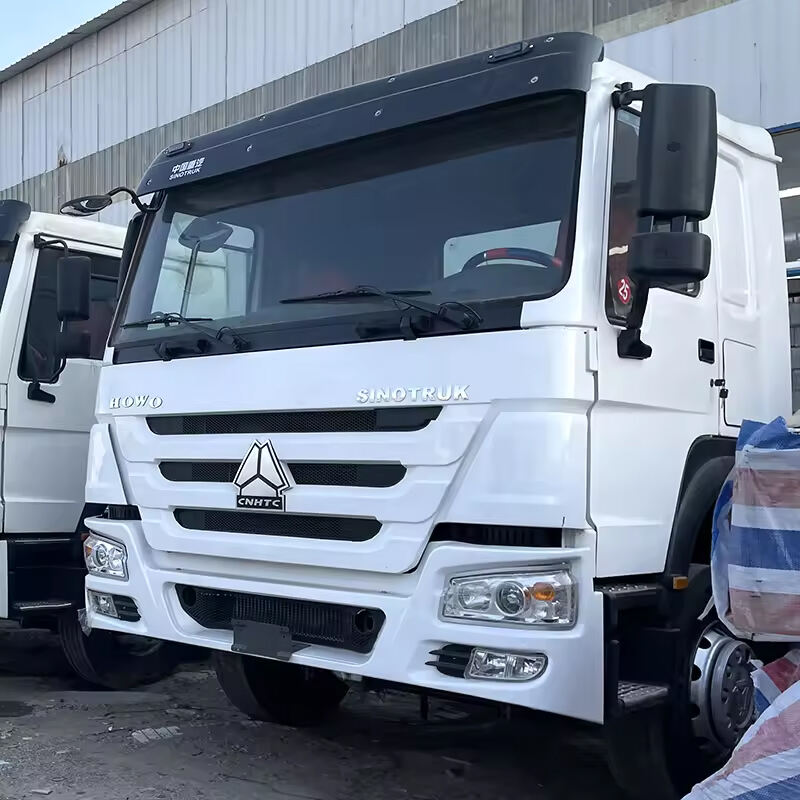
ເທິງລົດພ່ວງກັນແບບກາງຊ່ວຍໃຫ້ບໍລິສັດຂົນສົ່ງມີຂໍ້ໄດ້ປຽບດ້ານນ້ຳໜັກສິນຄ້າທີ່ຈະຂົນສົ່ງ ເຊິ່ງຊ່ວຍເພີ່ມປະສິດທິພາບໃນການດຳເນີນງານ ແລະ ການກຳໄລ. ລົດເຫຼົ່ານີ້ສາມາດຮັບນ້ຳໜັກຕັ້ງແຕ່ 26,000 ຫາ 80,000 ປອນ ຂຶ້ນຢູ່ກັບຮູບແບບການຕິດຕັ້ງ ແລະ ລະບຽບກົດໝາຍທ້ອງຖິ່ນ. ພື້ນທີ່ຂົນສົ່ງສິນຄ້າທີ່ກວ້າງຂວາງຊ່ວຍໃຫ້ບໍລິສັດສາມາດລວມສິນຄ້າຫຼາຍຊຸດເຂົ້າເປັນການຂົນສົ່ງຄັ້ງດຽວ ເຊິ່ງຫຼຸດຜ່ອນຈຳນວນເທື່ອທີ່ຕ້ອງຂົນສົ່ງ ແລະ ເພີ່ມປະສິດທິພາບໃນການນຳໃຊ້ຊັບພະຍາກອນ. ຂໍ້ໄດ້ປຽບດ້ານຄວາມຈຸນີ້ຈະກາຍເປັນສິ່ງທີ່ມີຄຸນຄ່າໂດຍສະເພາະໃນການຂົນສົ່ງສິນຄ້າສົດ, ສິນຄ້າອຸດສາຫະກຳ ຫຼື ສິນຄ້າຜູ້ບໍລິໂພກທີ່ມີປະລິມານສູງ.
ການອອກແບບຂອງເທິງກາງໄດ້ໃຫ້ຄວາມສຳຄັນກັບການຈັດຈຳນວນນ້ຳໜັກ ແລະ ຄວາມແໜ້ນໜາຂອງໂຄງສ້າງ, ເຊິ່ງຊ່ວຍໃຫ້ການຂົນສົ່ງສິນຄ້າໜັກໄດ້ຢ່າງປອດໄພໂດຍບໍ່ມີຜົນກະທົບຕໍ່ຄວາມໝັ້ນຄົງຂອງພາຫະນະ ຫຼື ຄວາມປອດໄພຂອງຖະໜົນ. ວິສະວະກຳຂັ້ນສູງຮັບປະກັນວ່ານ້ຳໜັກຖືກຈັດຈຳຈຸດຢ່າງສະເໝີກັນໃນແກນລໍ້ຫຼາຍຈຸດ, ລົດຜ່ອນຄວາມສວມໃສຂອງທັງພາຫະນະ ແລະ ລະບົບຖະໜົນ. ການອອກແບບທີ່ຄິດໄລ່ຢ່າງລະອຽດນີ້ຊ່ວຍໃຫ້ບໍລິສັດຂົນສົ່ງສາມາດດຳເນີນງານພາຍໃນຂອບເຂດນ້ຳໜັກທີ່ກົດໝາຍອະນຸຍາດ ໃນຂະນະທີ່ສູງສຸດຂີດຂອງລາຍຮັບຕໍ່ການຂົນສົ່ງແຕ່ລະຄັ້ງ.
ເທິກຊະງເຄື່ອງຈັກທີ່ທັນສະໄໝປະກອບມີຄຸນລັກສະນະດ້ານອາໂຣເດີເນມິກທີ່ຊ່ວຍປັບປຸງປະສິດທິພາບການໃຊ້ນ້ຳມັນເຊື້ອໄຟຢ່າງຫຼວງຫຼາຍ ສົມທຽບກັບການອອກແບບລົດບັນທຸກຮຸ່ນເກົ່າ. ຮູບຮ່າງທີ່ລຽບ, ປີກຂ້າງ ແລະ ອຸປະກອນປົກປ້ອງທ້າຍລົດ ຊ່ວຍຫຼຸດຜ່ອນຄວາມຕ້ານທານຂອງລົມ ເຮັດໃຫ້ພາຫະນະສາມາດຮັກສາຄວາມໄວໃນລະດັບສູງຂຶ້ນ ໂດຍໃຊ້ນ້ຳມັນໜ້ອຍລົງ. ການປັບປຸງດ້ານປະສິດທິພາບເຫຼົ່ານີ້ມີຜົນກະທົບໂດຍກົງຕໍ່ຕົ້ນທຶນການດຳເນີນງານ ເນື່ອງຈາກຄ່ານ້ຳມັນມັກຈະເປັນໜຶ່ງໃນຄ່າໃຊ້ຈ່າຍໃຫຍ່ທີ່ສຸດຂອງບໍລິສັດຂົນສົ່ງ. ການປັບປຸງປະສິດທິພາບການໃຊ້ນ້ຳມັນຍັງສະໜັບສະໜູນການດຳເນີນງານດ້ານສິ່ງແວດລ້ອມຢ່າງຍືນຍົງ ໃນຂະນະທີ່ຮັກສາໂຄງສ້າງລາຄາໃຫ້ແຂ່ງຂັນໄດ້.
ປະສິດທິຜົນທີ່ດີຂຶ້ນຈາກການໃຊ້ເຄື່ອງຈັກກາງທາງເຄິ່ງຫຼັງ (semi trailers) ມີຫຼາຍດ້ານທີ່ເກີນກວ່າພຽງແຕ່ການອອກແບບທີ່ເຮັດໃຫ້ລົດລ້ຽນໄດ້ດີ (aerodynamics) ເທົ່ານັ້ນ ແຕ່ຍັງລວມເຖິງ ລະບົບເຄື່ອງຈັກທີ່ຖືກອອກແບບຢ່າງມີປະສິດທິພາບ, ເຕັກໂນໂລຢີກ່ຽວກັບກ່ອງເກີບ (transmission) ທີ່ທັນສະໄໝ, ແລະ ຄວາມສາມາດໃນການຈັດເສັ້ນທາງຢ່າງສຸດລິ້ນ (intelligent routing capabilities). ການປັບປຸງເຕັກໂນໂລຢີເຫຼົ່ານີ້ເຮັດວຽກຮ່ວມກັນຢ່າງເປັນເອກະລາດເພື່ອຫຼຸດຜ່ອນຕົ້ນທຶນການດຳເນີນງານທັງໝົດ ໃນເວລາດຽວກັນກໍເພີ່ມຄວາມເຊື່ອຖືໄດ້ຂອງການບໍລິການ. semi Trailer ບໍລິສັດຂົນສົ່ງທີ່ລົງທຶນໃນຟະລີດທີ່ທັນສະໄໝ ມັກຈະລາຍງານວ່າມີການຫຼຸດລົງຢ່າງມີນັກຂອງຕົ້ນທຶນຕໍ່ແຕ່ລະໄມລ໌ (per-mile costs) ເຊິ່ງເຮັດໃຫ້ພວກເຂົາສາມາດສະເໜີອັດຕາທີ່ແຂ່ງຂັນຫຼາຍຂຶ້ນໃຫ້ແກ່ລູກຄ້າ ໂດຍຍັງຮັກສາອັດຕາກຳໄລທີ່ດີຢູ່.
ເທິງລົດພ່ວງກັນຄູ່ມີຄວາມຫຼາກຫຼາຍຢ່າງຍິ່ງໃນການຮອງຮັບປະເພດສິນຄ້າຕ່າງໆ ຜ່ານການຈัดຕັ້ງລົດພ່ວງທີ່ຊໍານິຊໍານານ. ລົດພ່ວງແບບເທິງເປີດເໝາະສຳລັບການຂົນສົ່ງວັດສະດຸກໍ່ສ້າງ, ເຄື່ອງຈັກ ແລະ ອຸປະກອນຂະໜາດໃຫຍ່, ໃນຂະນະທີ່ລົດພ່ວງແບບມີກ່ອງປິດຊ່ວຍປ້ອງກັນສິນຄ້າທີ່ອ່ອນໄຫວຈາກອາກາດ ແລະ ການລັກ. ລົດພ່ວງແບບມີເຄື່ອງປັບຄວາມເຢັນສາມາດຮັກສາອຸນຫະພູມໃຫ້ຖືກຕ້ອງສຳລັບຜະລິດຕະພັນທີ່ງ່າຍຕໍ່ການເນົ່າເສຍ, ແລະ ລົດພ່ວງແບບຖັງຊ່ວຍຂົນສົ່ງຂອງແຫຼວ ແລະ ວັດຖຸອັນຕະລາຍຢ່າງປອດໄພ. ຄວາມຫຼາກຫຼາຍນີ້ຊ່ວຍໃຫ້ບໍລິສັດຂົນສົ່ງສາມາດບໍລິການໃຫ້ແກ່ສ່ວນຕ່າງໆຂອງຕະຫຼາດໂດຍບໍ່ຈຳເປັນຕ້ອງມີຟີດລົດທີ່ແຍກຕ່າງຫາກທັງໝົດ.
ລັກສະນະແບບມອດູລຂອງລະບົບເທິງກາງຄືນຊ່ວຍໃຫ້ສາມາດປ່ຽນຕູ້ຂົນສົ່ງໄດ້ຢ່າງວ່ອງໄວ, ເຮັດໃຫ້ໜ່ວຍງຸດດຶງດຽວສາມາດດຶງຕູ້ຂົນສົ່ງທີ່ແຕກຕ່າງກັນໄດ້ຕາມຄວາມຕ້ອງການຂອງວຽກ. ຄວາມຍືດຫຍຸ່ນນີ້ຊ່ວຍເພີ່ມການນຳໃຊ້ອຸປະກອນໃຫ້ສູງສຸດ ແລະ ຫຼຸດຜ່ອນເວລາທີ່ບໍ່ໄດ້ເຮັດວຽກ, ເນື່ອງຈາກວ່າງຸດດຶງຍັງຄົງເຮັດວຽກໄດ້ໃນຂະນະທີ່ຕູ້ກຳລັງຖືກໂຫຼດ ຫຼື ຖອກສິນຄ້າ. ບໍລິສັດຂົນສົ່ງສາມາດຕອບສະໜອງຕໍ່ຄວາມຕ້ອງການຂອງລູກຄ້າ ແລະ ການຜັນປ່ຽນຕາມລະດູການໄດ້ຢ່າງວ່ອງໄວ ໂດຍການປັບປຸງປະສົມປະສານຕູ້ຂອງພວກເຂົາໂດຍບໍ່ຈຳເປັນຕ້ອງລົງທຶນຫຼາຍ.
ເທິງກາງທີ່ໃຫຍ່ຊ່ວຍໃຫ້ບໍລິສັດຂົນສົ່ງມີຄວາມສາມາດໃນການຂົນສົ່ງໄປໃນເຂດພື້ນທີ່ກວ້າງຂວາງ, ເຮັດໃຫ້ການຂົນສົ່ງໄລຍະທາງໄກເປັນໄປໄດ້ຢ່າງມີປະສິດທິພາບ ທຽບກັບການໃຊ້ພາຫະນະຂະໜາດນ້ອຍ. ພາຫະນະເຫຼົ່ານີ້ເຮັດວຽກໄດ້ດີໃນຖະໜົນລະຫວ່າງລັດ ແລະ ໂຄງລ່າງຂົນສົ່ງຫຼັກ, ເຊິ່ງເຊື່ອມຕໍ່ສູນກາງການຜະລິດກັບສູນຈັດຈໍາໜ່າຍ ແລະ ຕະຫຼາດຍ່ອຍໃນໄລຍະທາງທີ່ກວ້າງຂວາງ. ຄວາມສາມາດໃນການຂົນສົ່ງໄລຍະທາງໄກຢ່າງມີປະສິດທິພາບ ຊ່ວຍຫຼຸດຜ່ອນຄວາມຈໍາເປັນໃນການຖ່າຍໂອນສິນຄ້າລະຫວ່າງທາງ, ລວມທັງຄວາມສ່ຽງດ້ານຄວາມເສຍຫາຍຂອງສິນຄ້າ ແລະ ການສົ່ງຊ້າ.
ເຕັກໂນໂລຊີການກໍານົດເສັ້ນທາງຂັ້ນສູງທີ່ຖືກເຊື່ອມຕໍ່ກັບ ເທິງກາງທີ່ໃຫຍ່ ຊ່ວຍໃຫ້ການເລືອກເສັ້ນທາງແບບເຄື່ອນໄຫວໄດ້ຕາມສະພາບການຈາລະຈອນ, ລາຄານ້ຳມັນ ແລະ ຄວາມຕ້ອງການຂອງລູກຄ້າໃນເວລາຈິງ. ລະບົບເຫຼົ່ານີ້ຊ່ວຍໃຫ້ຜູ້ຂັບຂີ່ຫຼີກເວັ້ນເຂດທີ່ມີການຈາລະຈອນໜາແໜ້ນ, ຫຼຸດຜ່ອນເວລາເດີນທາງ ແລະ ບັນລຸການໃຊ້ນ້ຳມັນຢ່າງມີປະສິດທິພາບ. ບໍລິສັດຂົນສົ່ງໄດ້ຮັບປະໂຫຍດຈາກການຈັດສົ່ງທີ່ທັນເວລາ ແລະ ຄ່າໃຊ້ຈ່າຍດ້ານການດໍາເນີນງານທີ່ຫຼຸດລົງ ຜ່ານການວາງແຜນ ແລະ ດໍາເນີນການເສັ້ນທາງຢ່າງມີປະສິດທິພາບ.
ເທີກກົງທີ່ທັນສະໄໝປະກອບມີລະບົບຄວາມປອດໄພຢ່າງຄົບຖ້ວນທີ່ຊ່ວຍປ້ອງກັນທັງສິນຄ້າ ແລະ ຜູ້ໃຊ້ທາງດ່ວນ. ລະບົບຄວບຄຸມຄວາມໝັ້ນຄົງອີເລັກໂທຣນິກ, ລະບົບເບີກຕໍ່ຕ້ານລໍ້ລັອກ, ແລະ ເຕັກໂນໂລຊີການຫຼີກລ່ຽງການชน ດຳເນີນງານຮ່ວມກັນເພື່ອປ້ອງກັນອຸບັດຕິເຫດ ແລະ ຫຼຸດຜ່ອນຄວາມສ່ຽງດ້ານບາດເຈັບ. ຄຸນລັກສະນະດ້ານຄວາມປອດໄພເຫຼົ່ານີ້ບໍ່ພຽງແຕ່ປ້ອງກັນສິນຄ້າມູນຄ່າເທົ່ານັ້ນ, ແຕ່ຍັງຊ່ວຍຫຼຸດຜ່ອນຄ່າປະກັນໄພ ແລະ ຄວາມສ່ຽງດ້ານຄວາມຮັບຜິດຊອບຂອງບໍລິສັດຂົນສົ່ງ. ບັນທຶກຄວາມປອດໄພທີ່ດີຂຶ້ນຊ່ວຍສ້າງຄວາມໝັ້ນໃຈໃຫ້ລູກຄ້າ ແລະ ສະໜັບສະໜູນການປະຕິບັດຕາມຂໍ້ກຳນົດຂອງລັດຖະບານ.
ເຕັກໂນໂລຊີຊ່ວຍຜູ້ຂັບຂີ່ເຊັ່ນ: ການຕິດຕາມຈຸດບອດ, ການເຕືອນອອກຈາກຊ່ອງທາງ, ແລະ ລະບົບຄຣິວຄອນໂທລຄັດຕາມສະພາບ ຊ່ວຍຫຼຸດຜ່ອນຂໍ້ຜິດພາດຂອງມະນຸດ ແລະ ອຸບັດຕິເຫດທີ່ກ່ຽວຂ້ອງກັບຄວາມເມື່ອຍລ້າ. ລະບົບເຫຼົ່ານີ້ໃຫ້ຂໍ້ມູນປ້ອນກັບແບບເວລາຈິງກັບຜູ້ຂັບຂີ່ ໃນຂະນະທີ່ຮັກສາບັນທຶກລາຍລະອຽດກ່ຽວກັບການດຳເນີນງານຂອງຍານພາຫະນະ ແລະ ເຫດການດ້ານຄວາມປອດໄພ. ບໍລິສັດຂົນສົ່ງໄດ້ຮັບປະໂຫຍດຈາກການຫຼຸດຜ່ອນອັດຕາອຸບັດຕິເຫດ, ຄ່າປະກັນໄພທີ່ຕ່ຳລົງ, ແລະ ການຮັກສາຜູ້ຂັບຂີ່ໄດ້ດີຂຶ້ນຜ່ານການປັບປຸງຄວາມປອດໄພໃນສະຖານທີ່ເຮັດວຽກ.
ເຄື່ອງພ່ວງກາງໄດ້ຖືກອອກແບບມາເພື່ອຄວາມທົນທານແລະອາຍຸການໃຊ້ງານທີ່ຍາວນານ, ມີການກໍ່ສ້າງທີ່ແຂງແຮງ ເຊິ່ງສາມາດຕ້ານທານຕໍ່ເງື່ອນໄຂການຂົນສົ່ງສິນຄ້າທີ່ເຂັ້ມງວດ. ວັດສະດຸທີ່ມີຄຸນນະພາບສູງ ແລະ ການຜະລິດທີ່ມີຄວາມແນ່ນອນ ຮັບປະກັນການປະຕິບັດງານທີ່ເຊື່ອຖືໄດ້ ໃນໄລຍະຫຼາຍຮ້ອຍພັນໄມ. ໂຄງການບໍາລຸງຮັກສາຢ່າງປົກກະຕິຈະຊ່ວຍຮັກສາລົດໃຫ້ດໍາເນີນງານໃນສະພາບການໃຊ້ງານສູງສຸດ ໃນຂະນະທີ່ຫຼຸດຜ່ອນການຂັດຂ້ອງທີ່ບໍ່ຄາດຄິດ ເຊິ່ງອາດຈະລົບກວນຕໍ່ຕາຕະລາງຂອງລູກຄ້າ.
ລັກສະນະມາດຕະຖານຂອງຊິ້ນສ່ວນເຄື່ອງພ່ວງກາງ ຊ່ວຍງ່າຍຕໍ່ຂະບວນການບໍາລຸງຮັກສາ ແລະ ຫຼຸດຜ່ອນຕົ້ນທຶນຊິ້ນສ່ວນ. ຊ່າງເຕັກນິກສາມາດບໍລິການລົດຫຼາຍຄັນໄດ້ຢ່າງມີປະສິດທິພາບ ໂດຍໃຊ້ເຄື່ອງມື ແລະ ຂະບວນການທີ່ໃຊ້ຮ່ວມກັນ, ໃນຂະນະທີ່ຊິ້ນສ່ວນທີ່ສາມາດຫາຊື້ໄດ້ງ່າຍກໍ່ຊ່ວຍຫຼຸດຜ່ອນເວລາທີ່ລົດຢຸດເຊົາການໃຊ້ງານ. ບໍລິສັດຂົນສົ່ງສິນຄ້າໄດ້ຮັບປະໂຫຍດຈາກຕົ້ນທຶນການບໍາລຸງຮັກສາທີ່ຄາດເດົາໄດ້ ແລະ ອາຍຸການໃຊ້ງານຂອງລົດທີ່ຍາວນານ ໂດຍຜ່ານການດູແລຮັກສາຢ່າງເໝາະສົມ ແລະ ໂຄງການບໍາລຸງຮັກສາຕາມກໍານົດ.
ເຄື່ອງລົດພ່ວງກັນແບບກາງແທນການລົງທຶນທຶນທີ່ມີປະສິດທິພາບດ້ານຕົ້ນທຶນສໍາລັບບໍລິສັດຂົນສົ່ງທີ່ກໍາລັງຊອກຫາການຂະຫຍາຍຂອບເຂດການດໍາເນີນງານ. ຕົ້ນທຶນທີ່ຄ່ອນຂ້າງຕໍ່າຕໍ່ຫົວໜ່ວຍເມື່ອປຽບທຽບກັບລົດຂົນສົ່ງຂະໜາດນ້ອຍ, ຮວມກັບ»ຜົນຕອບແທນທີ່ສູງຂຶ້ນ, ສ້າງສະຖານະການຜົນຕອບແທນການລົງທຶນທີ່ດີ. ຕົວເລືອກການຈັດຫາເງິນກູ້ ແລະ ໂປຣແກຣມໃຫ້ເຊົ່າເຮັດໃຫ້ລົດເຫຼົ່ານີ້ສາມາດເຂົ້າເຖິງໄດ້ສໍາລັບບໍລິສັດຂະໜາດຕ່າງໆ, ເຮັດໃຫ້ທຸລະກິດຂະຫຍາຍໂຕໄດ້ໂດຍບໍ່ຈໍາເປັນຕ້ອງໃຊ້ເງິນທຶນຫຼາຍ.
ມູນຄ່າການຂາຍຄືນທີ່ແຂງແຮງຂອງເຄື່ອງລົດພ່ວງກັນແບບກາງທີ່ຮັກສາໄດ້ດີໃຫ້ຜົນປະໂຫຍດດ້ານການເງິນເພີ່ມເຕີມສໍາລັບບໍລິສັດຂົນສົ່ງ. ລົດເຫຼົ່ານີ້ມັກຈະຮັກສາມູນຄ່າທີ່ສໍາຄັນໄວ້ໃນໄລຍະເວລາດໍາເນີນງານຂອງມັນ, ສ້າງໂອກາດສໍາລັບການອັບເດດ ແລະ ຂະຫຍາຍຝູງຍານພາຫະນະ. ຕະຫຼາດທຸຕິຍະທີ່ແຂງແຮງສໍາລັບເຄື່ອງລົດພ່ວງກັນແບບກາງຮັບປະກັນວ່າບໍລິສັດສາມາດກູ້ຄືນສ່ວນໃຫຍ່ຂອງການລົງທຶນເບື້ອງຕົ້ນຂອງພວກເຂົາເມື່ອຍົກລະດັບໄປໃຊ້ຮຸ່ນໃໝ່.
ບໍລິສັດຂົນສົ່ງທີ່ດຳເນີນງານຝູງຍາກົນພາຫະນະກົງຈະຫຼັກອາດສາມາດສະເໜີລາຄາແລະລະດັບການບໍລິການທີ່ແຂ່ງຂັນໄດ້ ເຊິ່ງຜູ້ປະກອບການຂະໜາດນ້ອຍບໍ່ສາມາດແຂ່ງຂັນໄດ້. ປະໂຫຍດດ້ານເສດຖະກິດຈາກພາຫະນະທີ່ມີຂະໜາດໃຫຍ່ຊ່ວຍໃຫ້ຕົ້ນທຶນຕໍ່າລົງ ແລະ ສາມາດຮັກສາຄຸນນະພາບການບໍລິການໄດ້. ປະໂຫຍດດ້ານການແຂ່ງຂັນນີ້ຊ່ວຍໃຫ້ບໍລິສັດສາມາດໄດ້ຮັບສັນຍາໃນໄລຍະຍາວຈາກຜູ້ສົ່ງສິນຄ້າໃຫຍ່ໆ ແລະ ຮັກສາສ່ວນແບ່ງຕະຫຼາດໄວ້ຕໍ່ກັບຄູ່ແຂ່ງຂັນທີ່ໃຊ້ວິທີການຂົນສົ່ງທີ່ບໍ່ມີປະສິດທິພາບ.
ຮູບພາບດ້ານມືອາຊີບ ແລະ ຄວາມໜ້າເຊື່ອຖືທີ່ກ່ຽວຂ້ອງກັບການດຳເນີນງານຍາກົນພາຫະນະກົງຈະຫຼັກ ຊ່ວຍເພີ່ມຄວາມໝັ້ນໃຈໃຫ້ລູກຄ້າ ແລະ ຊື່ສຽງຍີ່ຫໍ້. ການດຳເນີນງານຂົນສົ່ງຂະໜາດໃຫຍ່ສະແດງໃຫ້ເຫັນເຖິງຄວາມໝັ້ນຄົງ ແລະ ຄວາມສາມາດໃນການຈັດການປະລິມານການຂົນສົ່ງຈຳນວນຫຼວງຫຼາຍ, ເຊິ່ງເຮັດໃຫ້ດຶງດູດລູກຄ້າຂະໜາດໃຫຍ່ທີ່ກຳລັງຊອກຫາຄູ່ຮ່ວມງານດ້ານການຂົນສົ່ງທີ່ໜ້າເຊື່ອຖື. ຕຳແໜ່ງການຕະຫຼາດນີ້ຊ່ວຍສະໜັບສະໜູນຍຸດທະສາດການຕັ້ງລາຄາທີ່ສູງກວ່າຄ່າເຫຼືອງ ແລະ ຄວາມສຳພັນທຸລະກິດໃນໄລຍະຍາວ ເຊິ່ງເຮັດໃຫ້ມີກຳໄລຢ່າງຕໍ່ເນື່ອງ.
ເທິງກາງທີ່ທັນສະໄໝ ເຂົ້າຕາມລະບຽບການດ້ານສິ່ງແວດລ້ອມຢ່າງເຂັ້ມງວດ ໃນຂະນະທີ່ສະໜັບສະໜູນແນວພັນດ້ານຄວາມຍືນຍົງຜ່ານປະສິດທິພາບນ້ຳມັນເຊື້ອໄຟທີ່ດີຂຶ້ນ ແລະ ການຫຼຸດຜ່ອນການປ່ອຍອາຍພິດຕໍ່ແຕ່ລະຕັນ-ໄມທີ່ຂົນສົ່ງ. ເຕັກໂນໂລຊີເຄື່ອງຈັກຂັ້ນສູງ ແລະ ລະບົບຄວບຄຸມການປ່ອຍອາຍພິດ ຊ່ວຍຫຼຸດຜ່ອນຜົນກະທົບຕໍ່ສິ່ງແວດລ້ອມ ໃນຂະນະທີ່ຮັກສາປະສິດທິພາບໃນການດຳເນີນງານ. ຜົນປະໂຫຍດດ້ານສິ່ງແວດລ້ອມເຫຼົ່ານີ້ ສອດຄ່ອງກັບເປົ້າໝາຍດ້ານຄວາມຍືນຍົງຂອງບໍລິສັດ ແລະ ຂໍ້ກຳນົດຂອງລັດຖະບານ ທີ່ມີອິດທິພົນເພີ່ມຂຶ້ນຕໍ່ການຕັດສິນໃຈໃນການຈັດຊື້ການຂົນສົ່ງ.
ການລວມສິນຄ້າເຂົ້າໄປໃນພາຫະນະຈຳນວນໜ້ອຍລົງ ແຕ່ມີຂະໜາດໃຫຍ່ຂຶ້ນ ຊ່ວຍຫຼຸດຜ່ອນຄວາມແອອັດຂອງການຈາລະຈອນ ແລະ ການສວມສີ້ນຂອງຖະໜົນໄດ້ໂດຍລວມ, ເຊິ່ງຊ່ວຍສ້າງຜົນປະໂຫຍດດ້ານສິ່ງແວດລ້ອມໃນຂອງກວ້າງ. ເທິງກາງຂົນສົ່ງສິນຄ້າຈຳນວນຫຼາຍດ້ວຍການບໍລິໂภກນ້ຳມັນ ແລະ ການປ່ອຍອາຍພິດທີ່ໜ້ອຍລົງ ເມື່ອທຽບກັບພາຫະນະຂະໜາດນ້ອຍຫຼາຍຄັນທີ່ຂົນສົ່ງໃນເສັ້ນທາງດຽວກັນ. ປະສິດທິພາບນີ້ສະໜັບສະໜູນການຄຸ້ມຄອງສິ່ງແວດລ້ອມ ໃນຂະນະທີ່ຮັກສາວິທີການຂົນສົ່ງທີ່ມີປະສິດທິພາບດ້ານຕົ້ນທຶນ.
ເຄື່ອງດຶງກາງພາສະນະຊ່ວຍໃຫ້ການປະຕິບັດຕາມລະບຽບການຂົນສົ່ງທີ່ຊັບຊ້ອນໄດ້ງ່າຍຂຶ້ນຜ່ານລະບົບເອກະສານມາດຕະຖານ ແລະ ຄວາມສາມາດໃນການຕິດຕາມ. ອຸປະກອນບັນທຶກໄຟຟ້າ ແລະ ລະບົບຈັດການຝູງຍານພາຫະນະຮັບປະກັນການບັນທຶກຂໍ້ມູນຢ່າງຖືກຕ້ອງສໍາລັບຊົ່ວໂມງການໃຫ້ບໍລິການ, ຕາຕະລາງການບໍລິການຮັກສາ, ແລະ ບັນຊີສິນຄ້າ. ລະບົບເຫຼົ່ານີ້ງ່າຍຕໍ່ການປະຕິບັດຕາມລະບຽບກົດໝາຍ ໃນຂະນະທີ່ສະໜອງຂໍ້ມູນດໍາເນີນງານລະອຽດສໍາລັບການວິເຄາະ ແລະ ການເພີ່ມປະສິດທິພາບ.
ລັກສະນະມາດຕະຖານຂອງການດໍາເນີນງານເຄື່ອງດຶງກາງພັກສອດຄ່ອງດີກັບລະບຽບການຂົນສົ່ງຂອງລັດຖະບານ ແລະ ລັດ, ຊ່ວຍຫຼຸດຜ່ອນຄວາມຊັບຊ້ອນດ້ານການປະຕິບັດຕາມສໍາລັບບໍລິສັດຂົນສົ່ງ. ຂະບວນການດ້ານຄວາມປອດໄພທີ່ກໍານົດໄວ້ແລ້ວ, ຂໍ້ກໍານົດການຝຶກອົບຮົມຜູ້ຂັບຂີ່, ແລະ ຂະບວນການກວດກາລົດໃຫ້ບອກທິດທາງທີ່ຊັດເຈນສໍາລັບການປະຕິບັດຕາມລະບຽບການ. ການສອດຄ່ອງດ້ານລະບຽບການນີ້ຊ່ວຍຫຼຸດຜ່ອນຄວາມສ່ຽງດ້ານການດໍາເນີນງານ ແລະ ຮັບປະກັນການສະໜອງບໍລິການຢ່າງຕໍ່ເນື່ອງໃນຂອບເຂດກົດໝາຍຕ່າງໆ.
ເທິງກາງທີ່ມີລໍ້ຊ່ວຍປັບປຸງປະສິດທິພາບໃນການຈັດສົ່ງຜ່ານຄວາມສາມາດຂອງການຂົນສົ່ງສິນຄ້າຈຳນວນຫຼວງຫຼາຍ, ເຊິ່ງຊ່ວຍໃຫ້ບໍລິສັດຂົນສົ່ງສາມາດລວມການຂົນສົ່ງຫຼາຍຄັ້ງເຂົ້າເປັນການຂົນສົ່ງຄັ້ງດຽວ. ສິ່ງນີ້ຊ່ວຍຫຼຸດຈຳນວນເທື່ອທີ່ຕ້ອງຂົນສົ່ງ, ຫຼຸດຕົ້ນທຶນນ້ຳມັນ ແລະ ເພີ່ມຜົນງານຂອງພະນັກງານຂັບລົດ. ລະບົບການຖອດແລະການໂຫຼດສິນຄ້າທີ່ມາດຕະຖານຍັງຊ່ວຍຫຼຸດເວລາໃນການຈັດການສິນຄ້າຢູ່ສູນຈັດຈໍາໜ່າຍ, ໃນຂະນະທີ່ລະບົບເສັ້ນທາງຂັ້ນສູງຊ່ວຍເພີ່ມປະສິດທິພາບໃນເສັ້ນທາງການເດີນທາງເພື່ອການຈັດສົ່ງທີ່ໄວຂຶ້ນ ແລະ ມີປະສິດທິພາບດ້ານຕົ້ນທຶນຫຼາຍຂຶ້ນ.
ເທິງກາງເໝາະສົມກັບການຂົນສົ່ງສິນຄ້າຈຳນວນຫຼວງຫຼາຍ ແລະ ຂົນສົ່ງໄລຍະທາງໄກ ລວມທັງສິນຄ້າທີ່ຜະລິດແລ້ວ, ສິນຄ້າອຸປະກອນຜູ້ບໍລິໂภກ, ວັດຖຸດິບ ແລະ ສິນຄ້າຈຳນວນຫຼາຍ. ຮູບແບບຂອງເທິງກາງທີ່ຖືກອອກແບບສຳລັບສິນຄ້າແຕ່ລະປະເພດສາມາດຮອງຮັບສິນຄ້າທີ່ເປັນເຄື່ອງດົນໃຈ, ວັດຖຸອັນຕະລາຍ, ອຸປະກອນຂະໜາດໃຫຍ່ ແລະ ຜະລິດຕະພັນແບບແຫຼວ. ຄວາມຫຼາກຫຼາຍຂອງລະບົບເທິງກາງເຮັດໃຫ້ມັນເໝາະສົມກັບບໍລິສັດຂົນສົ່ງທີ່ບໍລິການອຸດສາຫະກໍາຕ່າງໆ ທີ່ມີຄວາມຕ້ອງການດ້ານການຂົນສົ່ງທີ່ແຕກຕ່າງກັນ.
ຕູ້ຄອນເທັນເນີເຄິ່ງຫຼຸດຜ່ອນຕົ້ນທຶນດຳເນີນການໂດຍຜ່ານປະສິດທິພາບເຊື້ອໄຟທີ່ດີກວ່າ, ຄວາມຈຸຂອງພາຊັ້ນທີ່ສູງກວ່າ, ແລະ ລະບົບຄ່າໃຊ້ໃນແຕ່ລາຍກິໂລເມັດທີ່ໜ້ອຍກວ່າ. ຄວາມສາມາດຂົນສົ່ງພາຊັ້ນຂະໜາດໃຫຍ່ດ້ວຍຈຳນວນການຂົນສົ່ງໜ້ອຍກວ່າຈະຫຼຸດຜ່ອນຄ່ານ້ຳມັນ, ຄ່າແຮງງານ, ແລະ ຄ່າບຳລຸງຮັກສາໂດຍທົ່ວກົງ. ນອກນັ້ນ, ຄວາມທົນທຽວ ແລະ ອາຍຸຍືນົງຂອງຕູ້ຄອນເທັນເນີເຄິ່ງສະໜອງມູນຄ່າທີ່ຍັງຄົງດີ, ໃນຂະນະທີ່ສ່ວນປະກອບມາດຕະຖານຂອງມັນເຮັດໃຫ້ການບຳລຸງຮັກສາງ່າຍຂຶ້ນ ແລະ ຫຼຸດຜ່ອນຄ່າຊີເຄີ່ນໃນໄລຍະເວລາດຳເນີນການຂອງລົດ.
ເຄື່ອງດຶງກາງພັກປະກອບມີລະບົບຄວາມປອດໄພຂັ້ນສູງລວມທັງການຄວບຄຸມຄວາມໝັ້ນຄົງແບບອີເລັກໂທຣນິກ, ເຕັກໂນໂລຊີການຫຼີກລ່ຽງການชน, ແລະ ລະບົບເບີກຢ່າງຄົບຖ້ວນທີ່ປ້ອງກັນທັງສິນຄ້າ ແລະ ຜູ້ໃຊ້ທາງດ່ວນ. ລັກສະນະຄວາມປອດໄພເຫຼົ່ານີ້ຊ່ວຍຫຼຸດຜ່ອນອັດຕາອຸບັດຕິເຫດ, ຄ່າປະກັນໄພທີ່ຕໍ່າລົງ, ແລະ ຫຼຸດຜ່ອນຄວາມສ່ຽງທາງດ້ານຄວາມຮັບຜິດຊອບສຳລັບບໍລິສັດຂົນສົ່ງສິນຄ້າ. ຂໍ້ກຳນົດດ້ານການຝຶກອົບຮົມແບບມືອາຊີບສຳລັບຜູ້ຂັບເຄື່ອງດຶງກາງພັກຍັງຮັບປະກັນມາດຕະຖານຄວາມປອດໄພທີ່ສູງ ແລະ ການປະຕິບັດຕາມລະບຽບກົດໝາຍໃນທຸກໆດ້ານຂອງການດຳເນີນງານ.
ລິขະສິດ © 2026 Shandong TruckLink Exporters Co.,Ltd. ທຸກຄຳສັ່ງຖືກຮັກສາໄວ້.
 EN
EN
 AR
AR
 BG
BG
 HR
HR
 CS
CS
 DA
DA
 NL
NL
 FI
FI
 FR
FR
 DE
DE
 EL
EL
 HI
HI
 JA
JA
 KO
KO
 PL
PL
 PT
PT
 RO
RO
 RU
RU
 ES
ES
 TL
TL
 ID
ID
 SR
SR
 UK
UK
 VI
VI
 SQ
SQ
 TH
TH
 TR
TR
 AF
AF
 MS
MS
 HY
HY
 AZ
AZ
 KA
KA
 BN
BN
 LO
LO
 LA
LA
 MN
MN
 MY
MY
 KK
KK
 UZ
UZ
 KY
KY