

Selecting the right cargo truck for commercial operations is a decision that directly impacts operational efficiency, cost management, and long-term profitability. Business owners, fleet managers, and logistics coordinators face a critical question when expanding or upgrading their transportation assets: which cargo truck models deliver the reliability needed to sustain demanding commercial schedules? Reliability in commercial cargo truck applications extends beyond initial purchase price—it encompasses maintenance frequency, parts availability, fuel efficiency, payload capacity consistency, and the ability to perform under varied operational conditions without unexpected downdowns that disrupt delivery schedules and customer commitments.
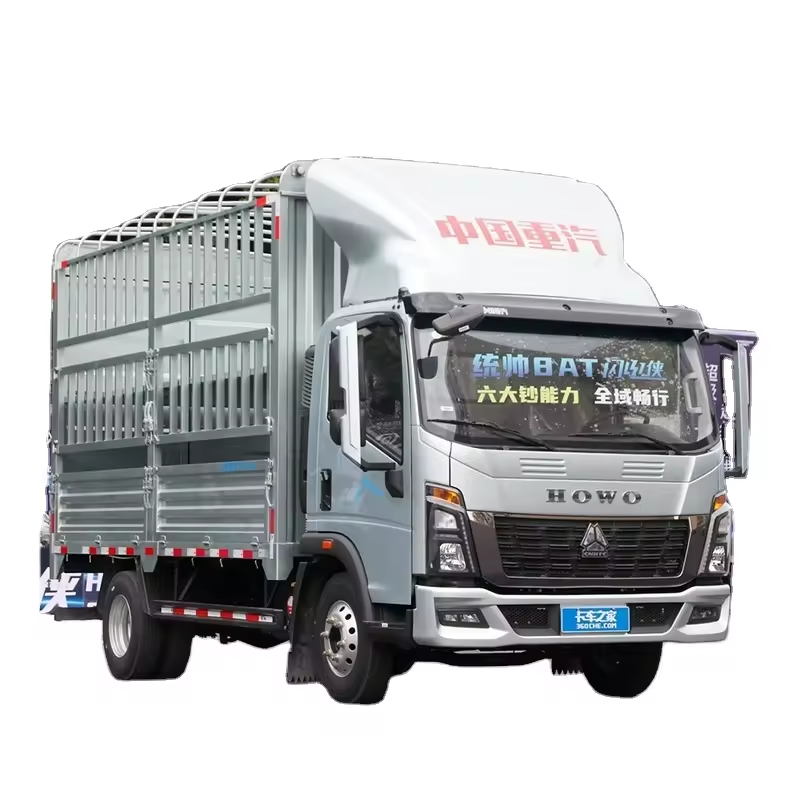
When evaluating cargo truck reliability for commercial purposes, operators must consider multiple factors that distinguish truly dependable models from those that promise performance but fail to deliver consistent uptime. The most reliable cargo truck platforms share common characteristics: proven mechanical systems with extensive service histories, widespread dealer networks for maintenance support, robust chassis engineering that withstands heavy loads, and powertrains designed for extended duty cycles. This assessment explores the key reliability factors that matter most in commercial cargo truck selection, examining what makes certain models stand out in real-world operations across distribution, construction supply, retail logistics, and regional freight applications where vehicle dependability directly determines business success.
The foundation of any reliable cargo truck begins with its chassis architecture and frame construction. Commercial-grade cargo truck models built for sustained reliability typically feature ladder-frame chassis constructed from high-strength steel with appropriate cross-member spacing to distribute payload stress evenly. The most dependable cargo truck designs incorporate reinforced frame rails with sufficient section modulus to handle maximum gross vehicle weight ratings without flexing excessively during loading and unloading cycles. Fleet operators report that cargo truck models with properly engineered chassis demonstrate fewer alignment issues, reduced body mounting failures, and extended service life before requiring major structural repairs.
Frame rigidity directly correlates with cargo truck longevity in commercial applications. Models that exhibit excessive frame flex under load tend to develop stress cracks at mounting points, leading to premature failure of attached components including cargo boxes, lifting gates, and auxiliary equipment. The most reliable cargo truck platforms utilize computer-aided engineering to optimize frame geometry, placing reinforcements at high-stress zones while minimizing unnecessary weight that reduces payload capacity. Commercial operators should evaluate cargo truck frame specifications including rail thickness, yield strength ratings, and historical performance data from similar operational profiles before making acquisition decisions.
Engine and transmission combinations represent critical reliability determinants in commercial cargo truck applications. The most dependable cargo truck models employ powertrains with proven track records in similar duty cycles, featuring engines designed for constant-load operations rather than passenger vehicle derivatives adapted for commercial use. Diesel powertrains continue to dominate reliable cargo truck segments due to superior torque characteristics, fuel efficiency under load, and extended service intervals compared to gasoline alternatives. Commercial operators prioritize cargo truck models equipped with engines from manufacturers with established support networks, ensuring parts availability and technician familiarity that minimize downtime during maintenance events.
Transmission reliability proves equally important in cargo truck dependability assessments. Manual transmissions traditionally offered superior durability in commercial cargo truck applications, though modern automated manual transmissions and heavy-duty automatic options now provide comparable reliability with reduced driver fatigue. The most reliable cargo truck configurations match transmission gear ratios to typical operating speeds and terrain profiles, avoiding excessive shifting that accelerates wear on synchronizers and clutch assemblies. Fleet managers report that cargo truck models with appropriate powertrain matching demonstrate significantly lower maintenance costs and fewer unexpected failures compared to underpowered or improperly specified alternatives.
Suspension design directly influences cargo truck reliability by managing dynamic loads and protecting drivetrain components from shock damage. The most dependable commercial cargo truck models feature suspension systems engineered specifically for payload characteristics, with spring rates and damper settings matched to typical loading patterns. Leaf spring suspensions remain prevalent in reliable cargo truck designs due to their simplicity, load-carrying capacity, and ease of maintenance, though air suspension systems offer superior ride quality and load-leveling capabilities in applications requiring consistent cargo protection during transport.
Proper suspension specification prevents premature wear on tires, steering components, and chassis mounting points that compromise cargo truck reliability over time. Models with inadequate suspension capacity for their rated payloads exhibit accelerated bushing deterioration, shock absorber failure, and frame fatigue that leads to costly repairs and extended downtime. Commercial operators selecting cargo truck models should verify that suspension ratings exceed typical loaded weights by appropriate margins, accounting for road conditions and operational intensity that characterize their specific applications.
The most reliable cargo truck models incorporate design features that facilitate routine maintenance, reducing service time and associated costs that impact operational availability. Commercial-grade cargo truck platforms with superior reliability records typically provide easy access to fluid check points, filter locations, and wear components without requiring extensive disassembly. Engine compartments designed with maintenance accessibility in mind allow technicians to complete scheduled services efficiently, encouraging adherence to manufacturer-specified intervals that preserve cargo truck longevity and prevent deterioration-related failures.
Service interval specifications reveal important reliability characteristics in cargo truck comparisons. Models requiring frequent oil changes, filter replacements, or adjustment procedures create higher maintenance burden and increased downtime compared to cargo truck designs with extended service capabilities. The most dependable commercial cargo truck platforms balance maintenance intervals with component durability, avoiding excessively long service periods that risk premature wear while eliminating unnecessarily frequent procedures that disrupt operations. Fleet operators should evaluate total cost of ownership including projected maintenance hours when assessing cargo truck reliability for their specific commercial applications.
Long-term cargo truck reliability depends significantly on parts availability throughout the vehicle's service life. The most dependable cargo truck models benefit from extensive dealer networks, multiple parts suppliers, and standardized components that ensure rapid replacement when maintenance or repairs become necessary. Commercial operators face substantial risks when selecting cargo truck platforms with limited parts distribution, as single-source dependencies create vulnerability to supply disruptions that extend downtime and impact customer commitments. Reliable cargo truck choices feature components shared across multiple model lines, increasing parts production volumes and ensuring continued availability even as specific models age.
Regional parts distribution infrastructure critically affects practical cargo truck reliability in commercial operations. Models from manufacturers with strong local presence typically demonstrate superior uptime performance compared to cargo truck options requiring imported components with extended lead times. Fleet managers should investigate parts inventory levels at nearby service centers, typical delivery times for common replacement items, and availability of emergency support services before committing to specific cargo truck models for commercial deployment. The most reliable cargo truck platforms combine inherent mechanical dependability with robust support ecosystems that minimize the operational impact of inevitable maintenance requirements.
Cargo truck reliability in commercial applications depends partly on proper operation within design parameters. The most dependable cargo truck models provide clear operational guidance and intuitive controls that reduce operator error contributing to premature wear or component failure. Commercial fleets with comprehensive driver training programs report significantly better cargo truck reliability metrics compared to operations where operators receive minimal instruction on proper loading techniques, appropriate speed management, and mechanical sympathy during daily operations. Reliable cargo truck performance requires alignment between vehicle capabilities and actual usage patterns, avoiding consistent overloading or operation beyond rated specifications that accelerates deterioration.
Matching cargo truck specifications to operational requirements represents a fundamental reliability strategy. Models selected appropriately for payload demands, route characteristics, and duty cycles demonstrate superior longevity compared to cargo truck options operating at the margins of their design capabilities. Commercial operators should conduct thorough operational analysis before cargo truck acquisition, documenting typical load weights, daily mileage, terrain profiles, and environmental conditions to ensure selected models possess adequate capacity margins. The most reliable cargo truck deployments result from conservative specification approaches that account for operational variability rather than selecting minimum-capability platforms that struggle under real-world commercial demands.
Urban commercial cargo truck applications present unique reliability challenges including frequent stops, constant engine cycling, and congested traffic conditions that stress powertrains and braking systems. The most reliable cargo truck models for city distribution operations feature durable automatic transmissions or automated manuals that reduce driver fatigue while maintaining consistent performance through thousands of daily shifting cycles. Urban cargo truck reliability depends heavily on brake system capacity, as frequent stops generate substantial heat that degrades inferior components prematurely. Commercial operators in metropolitan markets prioritize cargo truck platforms with proven urban-duty performance records, including adequate cooling systems that prevent overheating during extended idling periods common in delivery route operations.
Maneuverability requirements in urban cargo truck applications influence reliability through increased stress on steering components and suspension systems navigating tight spaces and uneven surfaces. The most dependable cargo truck choices for city operations balance compact dimensions with structural robustness, avoiding lightweight construction that sacrifices durability for improved fuel economy. Fleet managers report that cargo truck models specifically engineered for urban commercial use demonstrate lower maintenance costs and better uptime compared to general-purpose platforms adapted for city delivery through aftermarket modifications that compromise integrated system reliability.
Highway-oriented commercial cargo truck applications demand reliability characteristics emphasizing sustained high-speed operation, aerodynamic stability, and powertrain efficiency over extended distances. The most reliable cargo truck models for regional freight service feature engines optimized for steady-state cruising with power bands matched to highway speeds, reducing fuel consumption and mechanical stress compared to powertrains designed primarily for low-speed urban work. Highway cargo truck reliability benefits from transmission gear ratios that maintain engine operation within efficient rpm ranges during typical interstate speeds, minimizing wear while maximizing fuel economy that reduces operating costs over the vehicle's service life.
Cooling system capacity proves critical in cargo truck reliability for sustained highway operations, particularly in warm climates or during summer months when ambient temperatures stress thermal management systems. The most dependable cargo truck platforms for regional freight incorporate oversized radiators, high-capacity cooling fans, and robust coolant circulation that maintains optimal operating temperatures during extended highway runs with full payloads. Commercial operators selecting cargo truck models for regional distribution routes should verify cooling system specifications exceed minimum requirements, providing thermal capacity margins that prevent overheating-related failures during demanding operational conditions.
Construction supply cargo truck applications require exceptional reliability under harsh conditions including unpaved access roads, job site terrain, and exposure to dust, mud, and debris that challenge component sealing and protection systems. The most reliable cargo truck models for construction-related commercial use feature reinforced underbody protection, sealed electrical connections, and air filtration systems designed for high-particulate environments. Construction cargo truck reliability depends on suspension durability withstanding repeated impacts from rough surfaces, requiring robust shock absorbers, heavy-duty springs, and frame construction that resists stress cracks from constant jarring encountered in off-pavement operations.
Four-wheel drive or all-wheel drive configurations enhance cargo truck reliability in construction applications by improving traction on compromised surfaces and reducing drivetrain stress from wheel spin that damages differentials and axle components. The most dependable cargo truck options for construction supply service incorporate proper gear reduction for low-speed pulling power, allowing vehicles to navigate difficult terrain without excessive clutch slippage or transmission strain that leads to premature component failure. Commercial operators serving construction markets should prioritize cargo truck models with demonstrated performance in similar applications, verifying that selected platforms possess appropriate ground clearance, approach angles, and underbody protection for anticipated job site conditions.
Evaluating cargo truck reliability requires comprehensive total cost of ownership calculations extending beyond initial purchase price to encompass fuel consumption, maintenance expenses, insurance costs, and residual value at disposal. The most reliable cargo truck models often command higher acquisition costs but deliver superior economic performance through reduced downtime, lower repair frequencies, and extended service lives that amortize initial investments over greater operational periods. Commercial fleet managers should develop detailed cost models comparing cargo truck alternatives across expected ownership duration, incorporating realistic assumptions about fuel prices, labor rates, parts costs, and depreciation patterns specific to their operational contexts.
Residual value projections significantly impact cargo truck economic analysis, as reliable models with strong reputations maintain better resale values compared to platforms with poor reliability histories. The most dependable cargo truck choices retain substantial equity even after years of commercial service, providing financial flexibility for fleet renewal and reducing effective ownership costs when vehicles reach replacement criteria. Commercial operators should research used cargo truck market values for models under consideration, identifying platforms that demonstrate strong secondary market demand indicating buyer confidence in long-term reliability and continued serviceability beyond initial ownership periods.
Unplanned cargo truck downtime represents a substantial hidden cost in commercial operations, encompassing lost revenue opportunities, customer service disruptions, and potential penalty costs from missed delivery commitments. The most reliable cargo truck models minimize these economic impacts through superior mechanical dependability that reduces unexpected failure frequencies requiring emergency repairs. Commercial operators should quantify downtime costs specific to their business models when evaluating cargo truck reliability, calculating daily revenue losses, backup vehicle expenses, and customer relationship impacts that result from vehicle unavailability during critical operational periods.
Scheduled maintenance downtime, while predictable, still affects cargo truck operational economics and should factor into reliability assessments. The most dependable cargo truck platforms optimize maintenance intervals to balance component longevity with operational disruption, allowing fleet managers to schedule service during off-peak periods that minimize revenue impact. Commercial operations with high asset utilization requirements particularly benefit from cargo truck models featuring extended service intervals and rapid maintenance procedures that reduce time vehicles spend unavailable for revenue-generating activities. Total reliability evaluation must account for both unplanned failure rates and scheduled maintenance burden when comparing cargo truck alternatives for commercial deployment.
Warranty provisions indicate manufacturer confidence in cargo truck reliability and provide financial protection during initial service periods when infant mortality failures may occur. The most reliable cargo truck models typically offer comprehensive warranty coverage reflecting manufacturer certainty in product quality and durability. Commercial buyers should carefully review warranty terms including coverage duration, mileage limits, component exclusions, and required maintenance compliance to understand actual protection provided. Extended warranty options merit consideration for cargo truck platforms deployed in demanding applications where component stress may exceed typical usage patterns, though extended coverage costs must be weighed against statistical failure probabilities and self-insurance alternatives.
Manufacturer technical support quality directly impacts practical cargo truck reliability through troubleshooting assistance, service bulletin distribution, and recall management that addresses systematic issues before they cause widespread failures. The most dependable cargo truck choices come from manufacturers with responsive support organizations, comprehensive technical documentation, and proactive communication regarding potential issues requiring preventive attention. Commercial fleet managers should evaluate manufacturer support reputations through industry contacts, online forums, and direct discussions with existing operators before committing to specific cargo truck platforms, as superior factory support significantly enhances long-term reliability outcomes in real-world commercial applications.
Cargo truck reliability in commercial use depends primarily on three interconnected factors: appropriate specification matching vehicle capabilities to operational demands, consistent preventive maintenance following manufacturer schedules, and quality of initial design and manufacturing. The most reliable cargo truck deployments result from conservative capacity selection that avoids operating vehicles at maximum ratings continuously, combined with disciplined maintenance programs and selection of models from manufacturers with proven commercial-grade engineering standards. Operator training and proper loading procedures also significantly influence practical reliability by preventing abuse and overloading that accelerates component wear beyond design expectations.
Diesel cargo truck models generally demonstrate superior reliability in sustained commercial applications due to engine design characteristics favoring constant-load operation, superior fuel efficiency under heavy loads, and extended service intervals compared to gasoline alternatives. Diesel powertrains produce greater torque at lower engine speeds, reducing mechanical stress during loaded acceleration and hill climbing common in commercial operations. However, modern gasoline cargo truck engines have narrowed the reliability gap through improved engineering, and may prove more dependable in light-duty applications with frequent cold starts and short trip cycles where diesel emission control systems face challenges. Commercial operators should match powertrain type to specific duty cycles rather than assuming universal diesel superiority across all cargo truck applications.
Preserving cargo truck reliability requires strict adherence to manufacturer-specified maintenance intervals, with particular attention to fluid changes, filter replacements, and periodic inspections of wear items before failures occur. The most effective maintenance programs for commercial cargo truck fleets incorporate detailed record-keeping tracking service history and identifying emerging patterns that indicate potential problems requiring preventive attention. Regular inspections of suspension components, brake systems, and tire conditions catch deterioration early before secondary damage occurs to related systems. Commercial operators should establish relationships with qualified service providers familiar with their specific cargo truck models, ensuring technicians understand platform-specific requirements and common failure modes that require monitoring throughout vehicle service lives.
Both age and mileage provide important but incomplete reliability indicators for used cargo truck evaluation, as actual condition depends more significantly on maintenance history, operating environment, and usage intensity throughout the vehicle's service life. A well-maintained cargo truck with high mileage from consistent highway operation often proves more reliable than a low-mileage vehicle of similar age subjected to severe urban duty cycles with deferred maintenance. Commercial buyers should prioritize comprehensive pre-purchase inspections, detailed service records, and operational history documentation over simple age or mileage metrics when assessing used cargo truck reliability. The most reliable used cargo truck purchases result from thorough due diligence examining actual vehicle condition rather than relying on superficial indicators that may not reflect true mechanical state or remaining service life potential.
Copyright © 2026 Shandong TruckLink Exporters Co.,Ltd.All rights reserved.
 EN
EN
 AR
AR
 BG
BG
 HR
HR
 CS
CS
 DA
DA
 NL
NL
 FI
FI
 FR
FR
 DE
DE
 EL
EL
 HI
HI
 JA
JA
 KO
KO
 PL
PL
 PT
PT
 RO
RO
 RU
RU
 ES
ES
 TL
TL
 ID
ID
 SR
SR
 UK
UK
 VI
VI
 SQ
SQ
 TH
TH
 TR
TR
 AF
AF
 MS
MS
 HY
HY
 AZ
AZ
 KA
KA
 BN
BN
 LO
LO
 LA
LA
 MN
MN
 MY
MY
 KK
KK
 UZ
UZ
 KY
KY