
In modern freight and industrial logistics, efficiency, reliability, and cost control are decisive factors for success. As transport demands grow heavier and routes become more complex, equipment selection plays a central role in operational performance. Tractor Heads have become a core asset in heavy-duty transport due to their pulling power, adaptability, and long-term economic value. Compared with rigid trucks, Tractor Heads provide greater flexibility in hauling large volumes of cargo while maintaining operational stability. For logistics companies, contractors, and fleet operators, understanding the advantages of Tractor Heads is essential for building a competitive and scalable transport system.
One of the most significant advantages of Tractor Heads is their ability to generate high torque. Heavy-duty transport often involves moving extremely heavy or oversized loads over long distances. Tractor Heads are equipped with powerful engines designed to deliver consistent pulling force, even under maximum load conditions. This capability allows Tractor Heads to maintain steady performance on highways, slopes, and uneven terrain, ensuring cargo arrives on time without excessive mechanical strain.
Long-haul transport requires vehicles that can operate reliably for extended periods. Tractor Heads are engineered for endurance, with reinforced drivetrains and cooling systems that support continuous operation. This stability reduces the risk of breakdowns and minimizes delays, which is critical for time-sensitive heavy-duty transport projects.
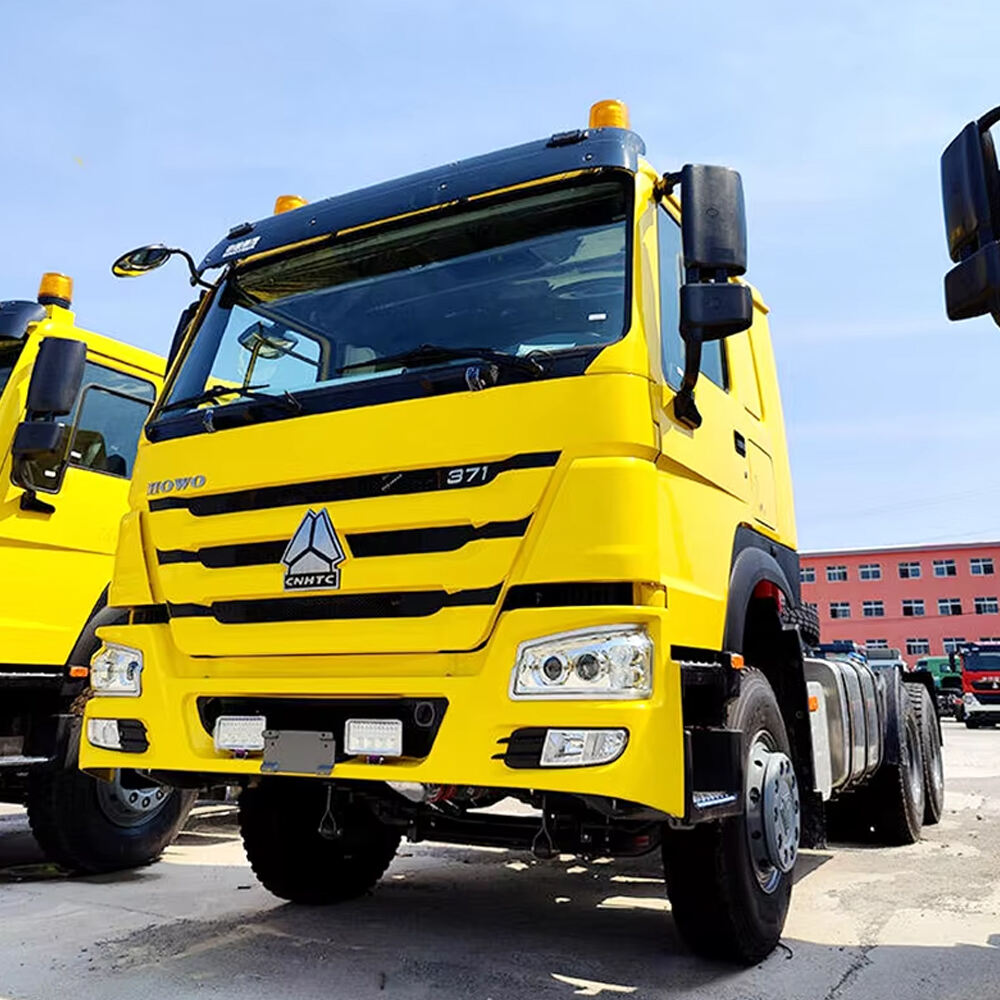
Tractor Heads are designed to work with a wide range of trailers, including flatbeds, container chassis, tank trailers, low-bed trailers, and refrigerated units. This modularity allows fleet operators to use the same Tractor Heads across different transport tasks. By changing trailers instead of vehicles, companies can respond quickly to shifting cargo requirements without expanding fleet size.
The separation of Tractor Heads and trailers enables higher utilization rates. While trailers are being loaded or unloaded, Tractor Heads can be reassigned to other tasks. This operational flexibility reduces idle time and improves overall transport efficiency, making Tractor Heads a cost-effective solution for heavy-duty logistics.
In heavy-duty transport, profitability often depends on cost per ton-kilometer. Tractor Heads excel in this area by maximizing payload capacity while maintaining fuel efficiency. Fewer trips are required to move the same volume of goods, which reduces fuel consumption, labor costs, and toll expenses. Over time, this efficiency translates into significant operational savings.
Modern Tractor Heads are built with components specifically designed for heavy loads, such as reinforced axles, heavy-duty suspensions, and robust braking systems. These features reduce wear and tear compared with vehicles operating beyond their intended capacity. As a result, Tractor Heads often experience lower maintenance frequency and longer service intervals.
Heavy-duty transport demands precise control, especially when hauling large or hazardous loads. Tractor Heads are equipped with advanced braking systems, including engine brakes and load-sensitive braking control. These systems improve stopping performance and vehicle stability, reducing the risk of accidents during long descents or emergency situations.
Driver safety and comfort directly impact transport reliability. Tractor Heads typically feature elevated cabins, wide-angle mirrors, and ergonomic controls that enhance visibility and reduce fatigue. Comfortable driving conditions help operators maintain focus over long routes, contributing to safer and more efficient transport operations.
Tractor Heads are optimized for highway transport, offering stable handling at cruising speeds even under full load. At the same time, they are capable of navigating industrial zones, ports, and logistics hubs where maneuverability is essential. This adaptability makes Tractor Heads suitable for both long-haul and regional heavy-duty transport.
Heavy-duty transport often involves construction sites, mining areas, or remote regions with difficult terrain. Tractor Heads equipped with suitable drivetrains and suspension systems can operate reliably in these environments. Their robust design ensures consistent performance where standard vehicles may struggle.
Tractor Heads are designed for long-term use, often operating for hundreds of thousands of kilometers. High-quality materials, reinforced frames, and advanced manufacturing processes contribute to extended service life. For fleet owners, this durability means better return on investment and predictable asset depreciation.
Due to their versatility and durability, Tractor Heads typically retain strong resale value. Even after years of operation, well-maintained Tractor Heads remain in demand in secondary markets. This residual value improves total cost of ownership and provides financial flexibility when upgrading fleets.
Modern Tractor Heads incorporate advanced engine technologies that improve fuel efficiency while meeting stringent emission standards. Optimized combustion systems and intelligent engine management reduce fuel consumption without compromising power. These advancements help operators comply with environmental regulations while controlling operating costs.
Many Tractor Heads are equipped with telematics systems that provide real-time data on fuel usage, driving behavior, and vehicle condition. Fleet managers can use this data to optimize routes, reduce idle time, and schedule maintenance proactively. Technology-driven insights enhance the strategic value of Tractor Heads in heavy-duty transport operations.
As transport demand grows, expanding a fleet based on Tractor Heads is relatively straightforward. Operators can add trailers to increase capacity without proportionally increasing the number of Tractor Heads. This scalability allows businesses to grow efficiently while maintaining control over capital expenditure.
Companies operating modern and efficient Tractor Heads can offer more competitive pricing and reliable service. Lower operating costs and higher transport efficiency strengthen bidding positions for large-scale or long-term contracts. Tractor Heads become a strategic tool for winning and sustaining business.
The logistics industry is rapidly adopting digital platforms and automation. Tractor Heads that integrate with smart logistics systems are better positioned for future developments. Features such as GPS tracking, predictive maintenance, and automated reporting enhance operational transparency and efficiency.
As sustainability becomes a priority, Tractor Heads designed with efficient engines and reduced emissions support long-term environmental goals. Their ability to move large volumes efficiently aligns with efforts to reduce carbon output per unit of cargo transported.
Industries such as logistics, construction, mining, manufacturing, and port transportation benefit significantly due to high-volume and heavy-load transport requirements.
Tractor Heads improve efficiency by enabling higher payloads, reducing trip frequency, and allowing flexible trailer usage across multiple transport tasks.
Tractor Heads are specifically designed for long-distance and heavy-duty transport, offering durability, driver comfort, and stable performance over extended routes.
Yes, Tractor Heads reduce long-term costs through fuel efficiency, lower maintenance frequency, strong resale value, and optimized fleet utilization.
Copyright © 2026 Shandong TruckLink Exporters Co.,Ltd.All rights reserved.
 EN
EN
 AR
AR
 BG
BG
 HR
HR
 CS
CS
 DA
DA
 NL
NL
 FI
FI
 FR
FR
 DE
DE
 EL
EL
 HI
HI
 JA
JA
 KO
KO
 PL
PL
 PT
PT
 RO
RO
 RU
RU
 ES
ES
 TL
TL
 ID
ID
 SR
SR
 UK
UK
 VI
VI
 SQ
SQ
 TH
TH
 TR
TR
 AF
AF
 MS
MS
 HY
HY
 AZ
AZ
 KA
KA
 BN
BN
 LO
LO
 LA
LA
 MN
MN
 MY
MY
 KK
KK
 UZ
UZ
 KY
KY