
Modern logistics companies face unprecedented challenges in delivering goods efficiently while managing operational costs and meeting customer expectations. The backbone of successful logistics operations remains the strategic deployment of reliable cargo trucks that can handle diverse transportation needs across various industries. These versatile vehicles have evolved significantly over the decades, incorporating advanced technologies and improved designs to maximize payload capacity while ensuring optimal fuel efficiency and driver safety.
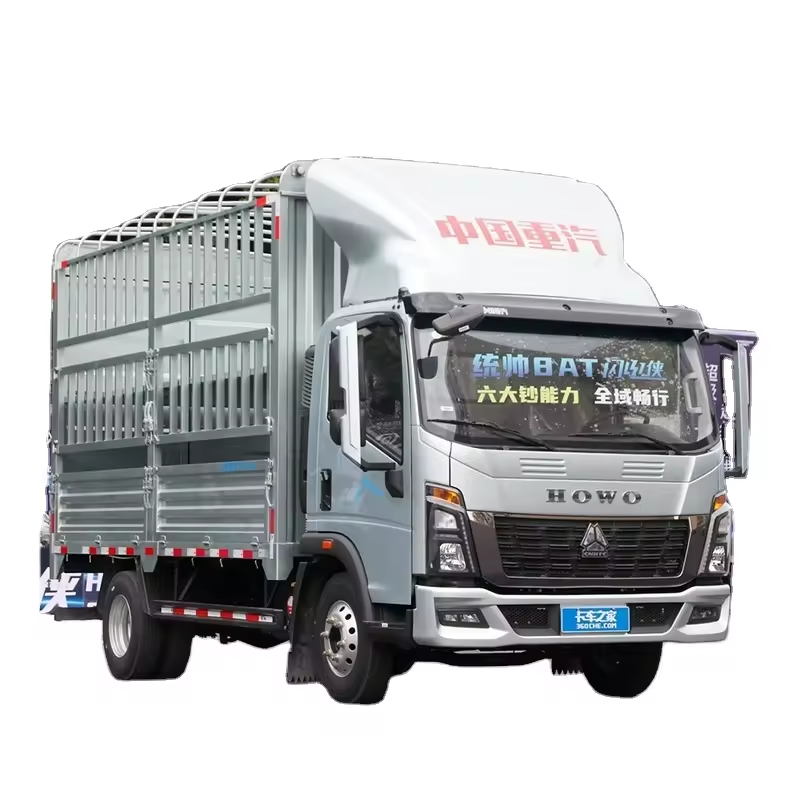
The transportation industry continues to witness remarkable growth, with logistics companies seeking innovative solutions to streamline their operations. Professional fleet managers understand that selecting appropriate cargo trucks directly impacts delivery schedules, operational expenses, and overall customer satisfaction. Advanced cargo trucks offer superior performance characteristics that enable logistics companies to maintain competitive advantages in increasingly demanding market conditions.
Contemporary cargo trucks feature sophisticated load distribution systems that maximize carrying capacity while maintaining structural integrity during transportation. These engineering improvements allow logistics companies to transport larger volumes of goods per trip, reducing the total number of journeys required for complete delivery cycles. Advanced suspension systems work in conjunction with reinforced chassis designs to ensure stable handling even when cargo trucks are fully loaded with heavy merchandise.
The strategic positioning of cargo compartments enhances weight distribution across the vehicle's frame, preventing excessive stress on individual components. This balanced approach extends the operational lifespan of cargo trucks while reducing maintenance requirements and associated downtime costs. Logistics companies benefit from improved reliability and consistent performance across diverse transportation scenarios.
Modern cargo trucks incorporate advanced engine technologies that deliver superior fuel efficiency compared to older vehicle models. These improvements include optimized combustion systems, aerodynamic body designs, and intelligent transmission systems that automatically adjust gear ratios based on driving conditions. Logistics companies experience significant cost savings through reduced fuel consumption across their entire fleet operations.
Environmental considerations have become increasingly important for logistics companies, and efficient cargo trucks help organizations meet sustainability goals while reducing their carbon footprint. Advanced emission control systems ensure compliance with environmental regulations while maintaining optimal engine performance. These technological advancements demonstrate the industry's commitment to responsible transportation practices.
Professional cargo trucks offer extensive customization possibilities that allow logistics companies to adapt vehicles for specific transportation requirements. Modular cargo bed systems can be reconfigured to accommodate various product types, from bulk materials to delicate electronics. This flexibility eliminates the need for specialized vehicles for every transportation scenario, reducing overall fleet acquisition costs.
Adjustable cargo restraint systems ensure secure transportation of diverse merchandise while preventing damage during transit. These features enable logistics companies to accept a broader range of contracts and expand their service offerings to different industry sectors. The ability to quickly reconfigure cargo trucks for different applications maximizes vehicle utilization rates and improves return on investment.
Advanced cargo trucks can be equipped with refrigeration systems that maintain precise temperature control for sensitive products such as pharmaceuticals, food items, and chemical compounds. These specialized configurations enable logistics companies to enter high-value market segments that require strict environmental controls during transportation. Professional-grade cooling systems operate independently of the vehicle's main engine, ensuring continuous temperature maintenance even during extended stops.
Insulation technologies integrated into cargo truck designs minimize energy consumption while maintaining optimal storage conditions. Digital monitoring systems provide real-time temperature data and alert operators to any deviations from specified parameters. This level of control helps logistics companies maintain product quality and comply with industry regulations for temperature-sensitive shipments.
High-quality cargo trucks feature robust construction materials and components designed for extended service life under demanding operational conditions. Advanced diagnostic systems continuously monitor vehicle performance and alert maintenance teams to potential issues before they result in costly breakdowns. This proactive approach reduces unexpected repair expenses and minimizes vehicle downtime that can disrupt delivery schedules.
Standardized component designs across cargo truck models simplify inventory management for replacement parts and reduce technician training requirements. Logistics companies benefit from streamlined maintenance procedures and reduced labor costs associated with fleet servicing. Regular preventive maintenance programs become more efficient when applied to standardized cargo truck platforms.
Modern cargo trucks incorporate advanced safety features that reduce accident risks and associated insurance premiums. Electronic stability control systems, anti-lock braking systems, and collision avoidance technologies help prevent accidents that could result in significant liability claims. Insurance providers often offer favorable rates for fleets equipped with these safety technologies.
Comprehensive vehicle tracking systems provide detailed operational data that can be valuable for insurance claims processing and driver performance evaluation. This transparency helps logistics companies demonstrate their commitment to safety and responsible operations to insurance providers and regulatory agencies. Reduced accident rates directly translate to lower insurance costs and improved company reputation.
Contemporary cargo trucks come equipped with sophisticated GPS tracking systems that provide real-time location data and route optimization capabilities. These technologies enable logistics companies to monitor vehicle movements, optimize delivery routes, and provide accurate arrival estimates to customers. Advanced routing algorithms consider traffic patterns, road conditions, and vehicle specifications to determine the most efficient transportation paths.
Fleet management software integrates with cargo truck systems to provide comprehensive operational visibility and control. Dispatchers can track multiple vehicles simultaneously, adjust routes in response to changing conditions, and communicate directly with drivers through integrated communication systems. This level of coordination improves overall fleet efficiency and customer service quality.
Intelligent cargo trucks utilize sensor networks that continuously monitor critical vehicle systems and predict maintenance requirements before components fail. Machine learning algorithms analyze operational data to identify patterns that indicate potential problems, enabling proactive maintenance scheduling that minimizes disruptions to transportation services. This technology helps logistics companies maintain high vehicle availability rates.
Telematics systems collect comprehensive performance data that fleet managers can use to optimize cargo truck utilization and identify opportunities for operational improvements. Driver behavior monitoring features provide insights into fuel consumption patterns, harsh braking incidents, and other factors that affect vehicle longevity. This information supports training programs that improve driver performance and extend cargo truck service life.
Dependable cargo trucks enable logistics companies to maintain consistent delivery schedules and meet customer expectations for timely service. Reduced breakdown rates and improved vehicle performance translate directly to enhanced customer satisfaction and stronger business relationships. Reliable transportation services become a key differentiator in competitive markets where customers value consistency and dependability.
Professional cargo trucks support logistics companies in building reputation for excellence that attracts new customers and retains existing clients. Word-of-mouth recommendations from satisfied customers become powerful marketing tools that drive business growth. The investment in quality cargo trucks pays dividends through improved market positioning and expanded customer base.
Standardized cargo truck platforms facilitate fleet expansion as logistics companies grow their operations and enter new markets. Consistent vehicle specifications simplify driver training, maintenance procedures, and operational planning. This standardization reduces the complexity associated with managing diverse vehicle types and enables more efficient resource allocation.
Cargo trucks with proven reliability records support business expansion plans by providing the foundation for service guarantees and performance commitments to new customers. Logistics companies can confidently pursue larger contracts knowing their cargo truck fleet can handle increased operational demands. This confidence in equipment capability enables aggressive growth strategies and market expansion initiatives.
Cargo trucks enhance delivery efficiency through optimized load capacity, advanced route planning systems, and reliable mechanical performance that reduces delays. Modern cargo trucks feature improved aerodynamics and fuel-efficient engines that enable longer operational ranges between refueling stops. GPS integration and fleet management systems help dispatchers coordinate multiple deliveries and optimize driver schedules for maximum productivity.
Contemporary cargo trucks incorporate predictive maintenance technologies that monitor vehicle systems and alert operators to potential issues before they cause breakdowns. Standardized components across cargo truck models simplify parts inventory management and reduce technician training requirements. Advanced diagnostic systems provide detailed performance data that helps maintenance teams schedule services efficiently and extend vehicle lifespan.
Cargo trucks reduce operational costs through improved fuel efficiency, lower maintenance requirements, and enhanced payload capacity that reduces the number of trips needed for complete deliveries. Insurance premiums decrease when cargo trucks are equipped with advanced safety features that reduce accident risks. Fleet standardization simplifies training, maintenance, and operational procedures, resulting in lower administrative costs and improved resource utilization.
Advanced technology integration enables cargo trucks to provide real-time tracking, route optimization, and performance monitoring capabilities that improve overall fleet efficiency. Telematics systems collect operational data that helps logistics companies identify optimization opportunities and make informed decisions about fleet management. Driver assistance technologies and automated systems reduce human error and improve safety performance across cargo truck operations.
Copyright © 2026 Shandong TruckLink Exporters Co.,Ltd.All rights reserved.
 EN
EN
 AR
AR
 BG
BG
 HR
HR
 CS
CS
 DA
DA
 NL
NL
 FI
FI
 FR
FR
 DE
DE
 EL
EL
 HI
HI
 JA
JA
 KO
KO
 PL
PL
 PT
PT
 RO
RO
 RU
RU
 ES
ES
 TL
TL
 ID
ID
 SR
SR
 UK
UK
 VI
VI
 SQ
SQ
 TH
TH
 TR
TR
 AF
AF
 MS
MS
 HY
HY
 AZ
AZ
 KA
KA
 BN
BN
 LO
LO
 LA
LA
 MN
MN
 MY
MY
 KK
KK
 UZ
UZ
 KY
KY